Published April 26, 2026 • 247 Views
Kitengela Corridor Under Pressure: A Fading Migration
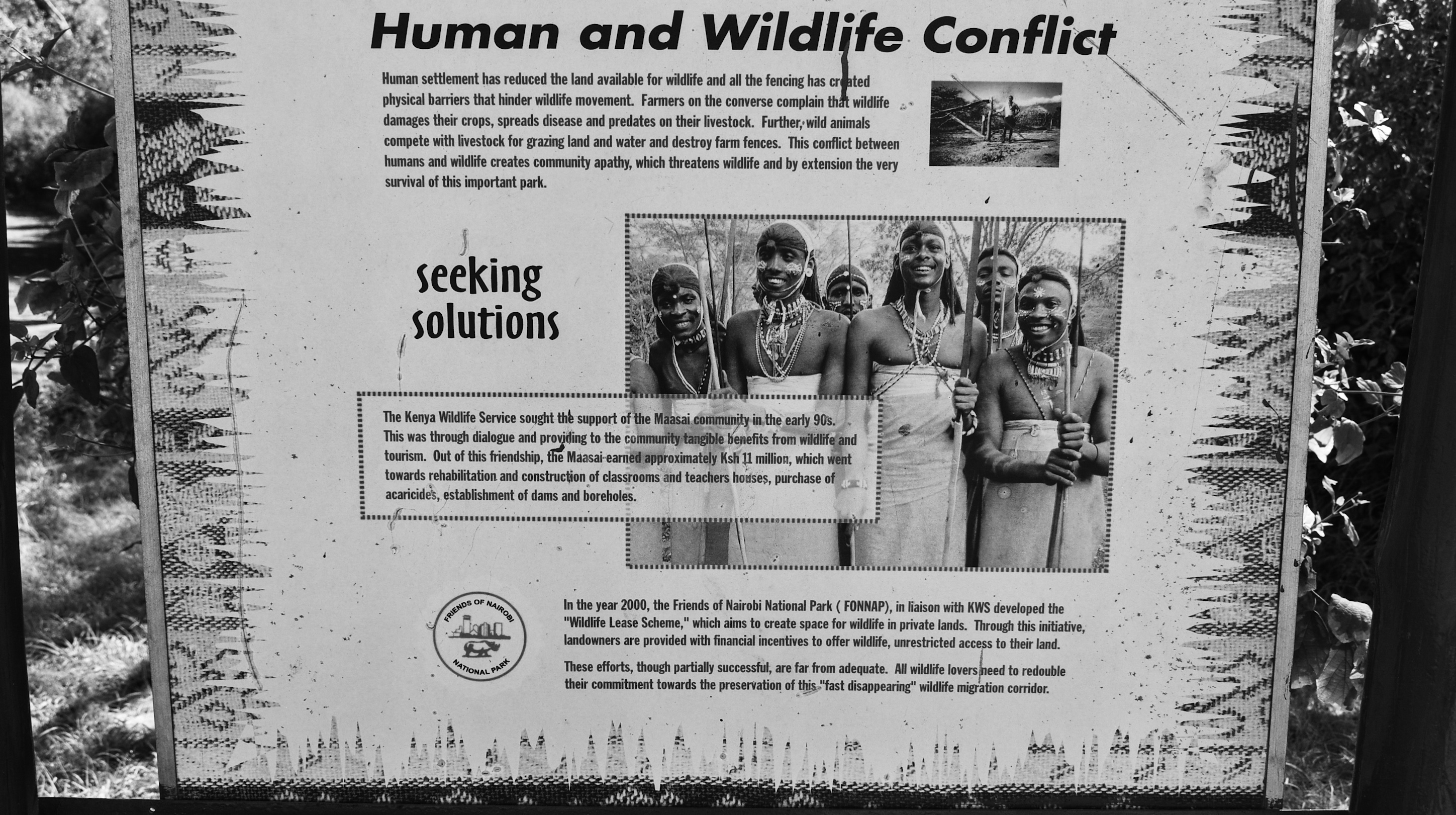
At the border of The Naretunoi Conservancy, near the Hippo Pool area adjoining Nairobi National Park, a weathered signboard quietly tells a powerful story — one of movement, survival, and growing pressure on one of Kenya’s most important wildlife corridors.
The Kitengela migration corridor, once a thriving pathway for thousands of wildebeest and zebras, has long served as a critical extension of Nairobi National Park. Historically, vast herds would move freely across these plains in search of pasture and water, creating a seasonal rhythm that defined the landscape.
“We used to see thousands moving through here,” recalls a community member. “Today, we don’t experience such numbers.”
Over the years, this natural movement has significantly declined. While wildebeest and zebras are still occasionally sighted, their numbers are noticeably lower compared to the early 2000s. What was once a vibrant migration route is now a quieter, fragmented landscape.
Several factors have contributed to this shift. Increased human settlement, land subdivision, fencing, and rising grazing pressure have gradually reduced the open space needed for wildlife to move freely. These changes have disrupted traditional migration patterns, limiting access to seasonal grazing areas outside the park.
The situation reflects a broader challenge facing conservation areas that border rapidly growing human communities — balancing development needs with the protection of vital ecosystems.
Despite these challenges, the area remains ecologically significant. Wildlife continues to pass through, though in smaller numbers, and the land still supports both community livelihoods and conservation efforts.
As part of the larger Kitengela ecosystem, The Naretunoi Conservancy plays an emerging role in raising awareness, promoting responsible land use, and bridging the gap between conservation and community development. Through digital storytelling, community engagement, and sustainable tourism initiatives, Naretunoi is working to highlight the importance of preserving remaining wildlife corridors.
The story of this corridor is not just about decline — it is a reminder of what is at stake.
Without coordinated efforts to protect these spaces, the risk of losing this migration route entirely becomes increasingly real. Yet with awareness, collaboration, and sustainable planning, there remains hope that these pathways can be preserved for future generations.
As the signboard suggests, solutions require partnership — between communities, conservation bodies, and all who value the delicate balance between people and wildlife.