The Guardians
Naretunoi serves as a critical corridor for the wildlife of the Ath-Kapiti ecosystem. Discover the species we work tirelessly to protect.
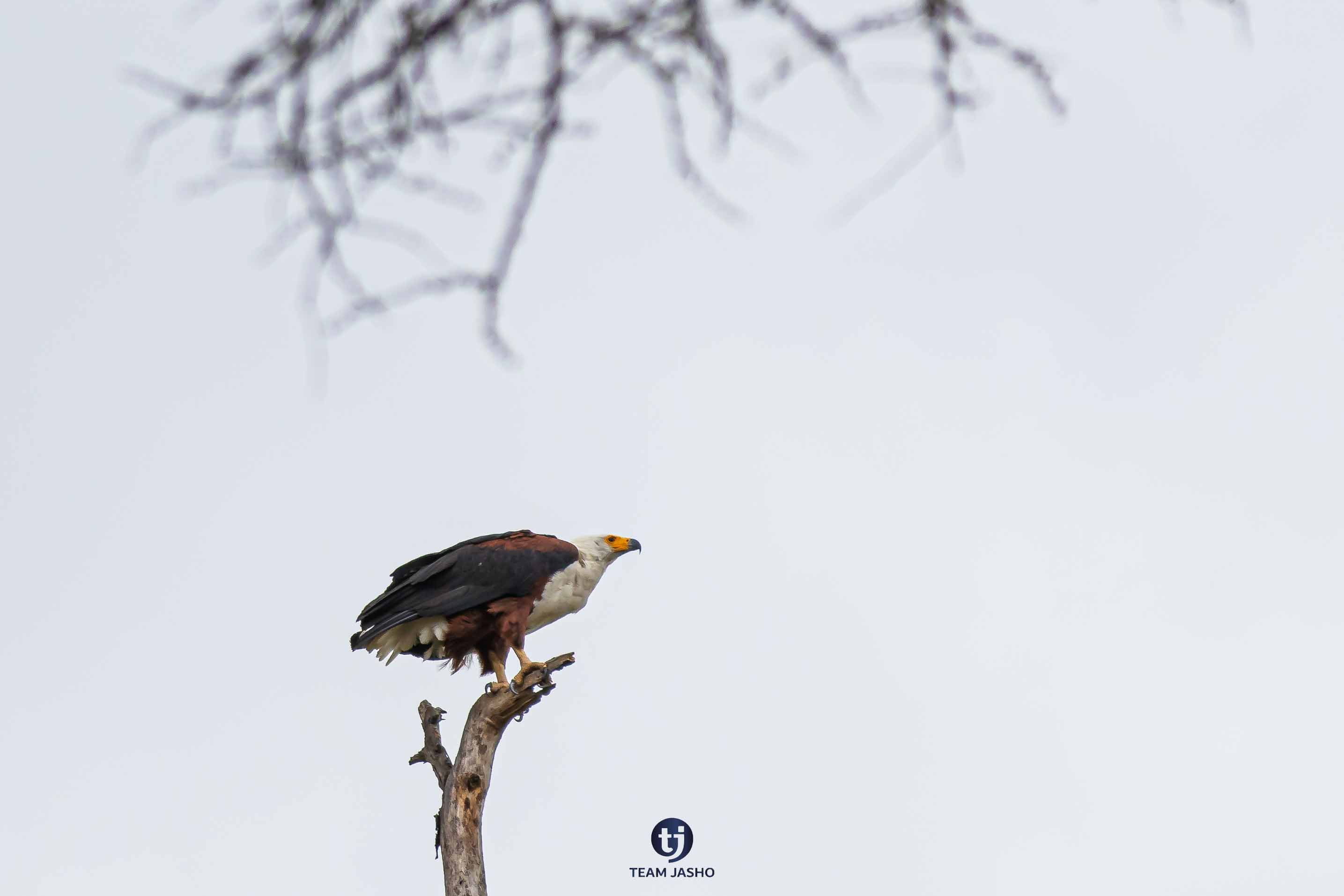
African Fish Eagle
A large, iconic bird of prey instantly recognizable by its snow-white head, neck, and breast, which contrast sharply with its chocolate-brown body and black wings. Known as the "Voice of Africa," it has a famous high-pitched, yodeling call. It is a specialized hunter that primarily feeds on fish, snatching them from the water's surface with powerful talons, but it will also prey on water birds and small reptiles. They are typically found in pairs near lakes, rivers, and coastal lagoons throughout sub-Saharan Africa.
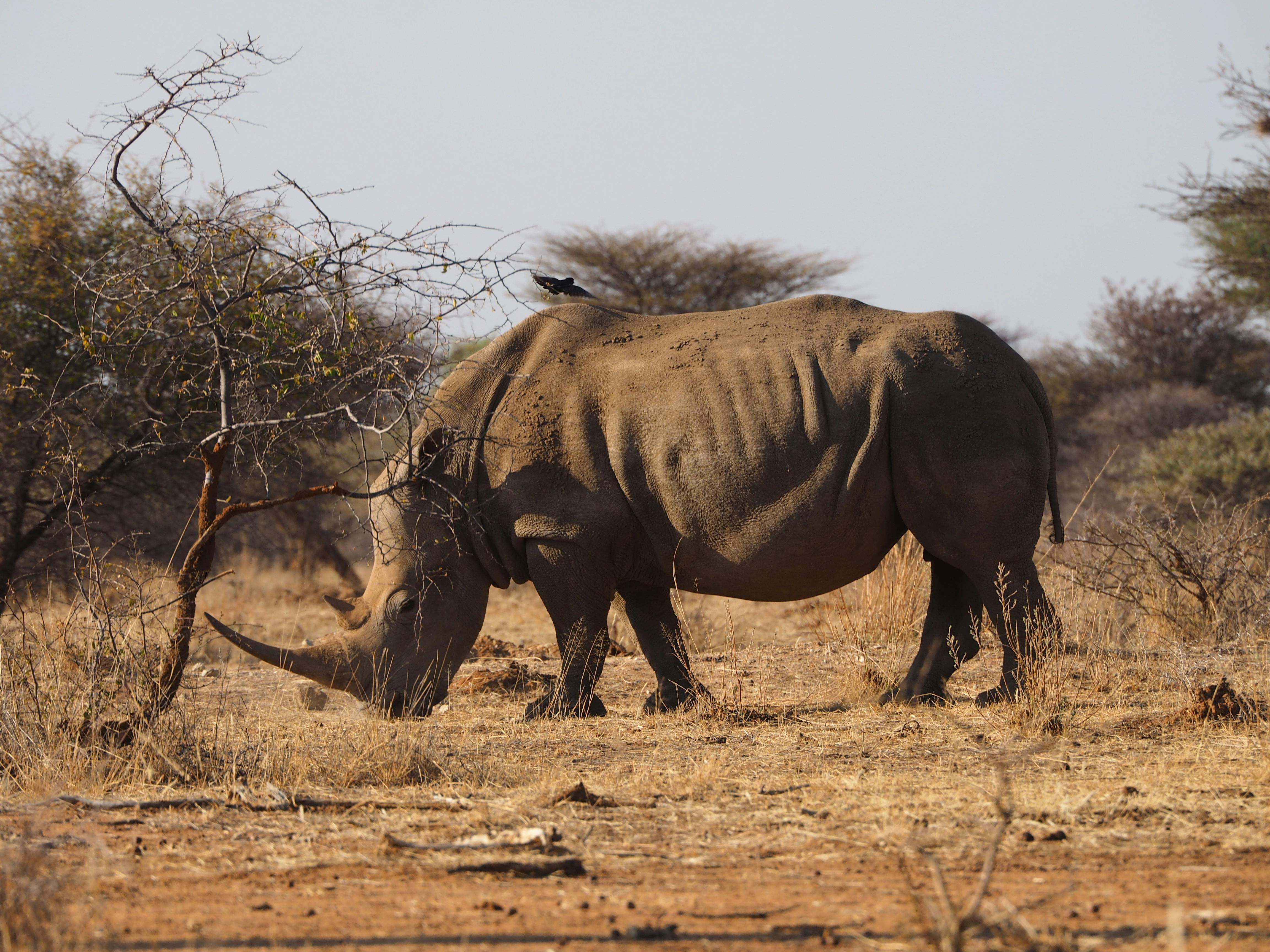
Black Rhino (or Southern White Rhino)
Known as the "Sentinels of the Savanna," Rhinos are a keystone species for our ecosystem. In the regions surrounding Naretunoi, we focus on monitoring and protecting these majestic creatures from poaching and habitat loss. Our wildlife program works with local rangers to ensure that the corridors they use remain safe and that the community understands the immense value of keeping these ancient giants alive.
1. The Two Titans: Black vs. White Rhinos
In Kenya, we are home to two distinct species. While they both look grey, their "characters" and roles in the ecosystem are very different:
- The Black Rhino (The Browser): * Character: Shy, solitary, and famously "grumpy." They are more defensive and likely to charge if startled.
- Physical Trait: They have a hooked upper lip designed for picking leaves and twisted twigs from bushes.
- Role: They act as "natural pruners," keeping the bushland from becoming too thick, which allows grass to grow for other animals.
- The White Rhino (The Grazer): * Character: Much more social and calm. They often hang out in small groups called "crashes."
- Physical Trait: They have a wide, square lip (the name "White" actually comes from the Dutch word 'wijd', meaning wide).
- Role: They are the "lawnmowers" of the savanna, keeping the grass short, which actually helps prevent massive bushfires.
2. Fascinating Rhino Facts (The "Did You Know?" Section)
- Ancient Lineage: Rhinos have been on Earth for over 50 million years. They are living fossils.
- Sonic Communication: They communicate through a series of "oinks," "snorts," and even high-pitched "squeals."
- Poor Vision, Elite Senses: A rhino cannot see a person standing still 30 meters away, but their sense of smell and hearing are incredible. They can "smell" danger from miles away.
- The "Sunscreen": You will often see them covered in mud. This isn't just for fun; the mud acts as a natural sunscreen and a shield against biting insects.
3. Why the "Maasai Name" (E-muny) Matters
In Maasai culture, the Rhino represents strength and stubbornness. By including the name E-muny on your platform, you show that Naretunoi respects indigenous knowledge. This tells your donors that your conservation efforts are led by the people who have lived alongside these giants for centuries.
"Field Update: Our team observed a mother and calf near the southern boundary today. This sighting reinforces why the Lion-Proof Boma project is so important—by keeping livestock secure, we reduce human activity in sensitive rhino grazing areas, giving these animals the peace they need to thrive."
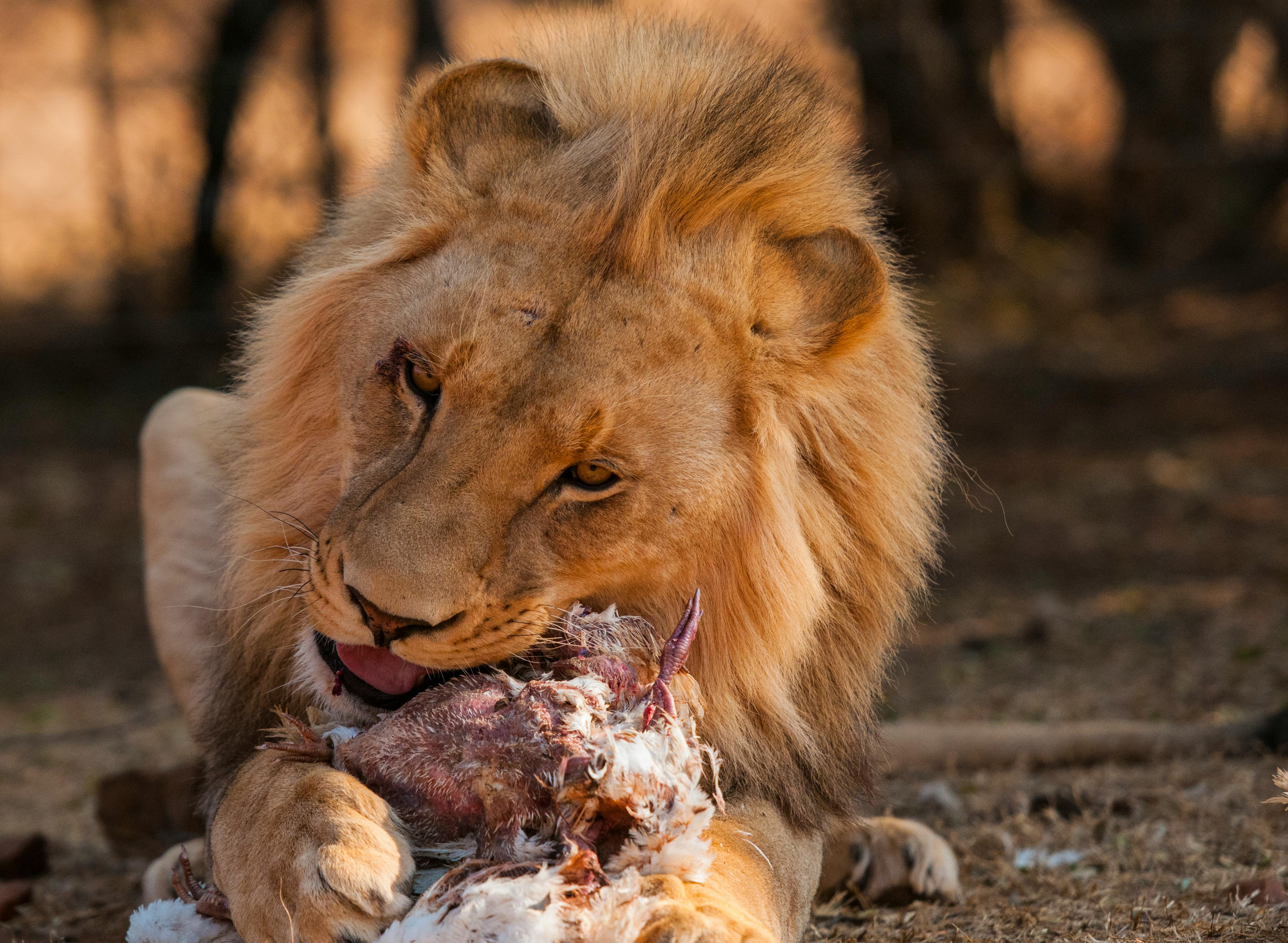
African Lion
The African lion is one of the most iconic and powerful predators of the savannah ecosystem and plays a vital role in maintaining ecological balance at Naretunoi Conservancy. As a top predator, lions naturally regulate populations of herbivores such as zebras, gazelles, and wildebeest, preventing overgrazing and ensuring healthy grassland regeneration.
At Naretunoi, lions are an essential part of the natural heritage and cultural identity of the Maasai community, symbolizing strength, leadership, and harmony with nature.
Habitat and Behavior at Naretunoi Conservancy
Naretunoi Conservancy provides expansive open grasslands, acacia woodlands, and protected wildlife corridors that support lion pride territories. These landscapes offer:
- Safe breeding grounds away from heavy human disturbance
- Abundant prey species for natural hunting
- Shaded resting areas for daytime conservation of energy
Lions here live in structured prides, where females perform most of the hunting while males protect territory from rivals.
Conservation Challenges
Despite their strength, African lions face growing threats including:
- Habitat loss due to expanding settlements
- Human-wildlife conflict involving livestock predation
- Declining prey populations in unprotected areas
Without conservation efforts, lion populations across Africa continue to decrease.
Naretunoi Conservancy’s Protection Efforts
To safeguard lions and promote coexistence, Naretunoi Conservancy focuses on:
• Wildlife monitoring and tracking programs
• Community education on predator awareness
• Livestock protection strategies for local herders
• Conservation patrols to reduce illegal activities
These initiatives help minimize conflict while protecting both wildlife and community livelihoods.
Cultural Significance
Among the Maasai people, the lion (Ol’ngatun) represents courage, respect, and guardianship. Traditional knowledge and modern conservation practices work together at Naretunoi to ensure lions remain part of the land for generations to come.
Why Lions Matter
Healthy lion populations indicate a thriving ecosystem. Their presence supports:
✔ Balanced wildlife numbers
✔ Healthy vegetation growth
✔ Strong tourism and conservation funding
✔ Natural biodiversity preservation
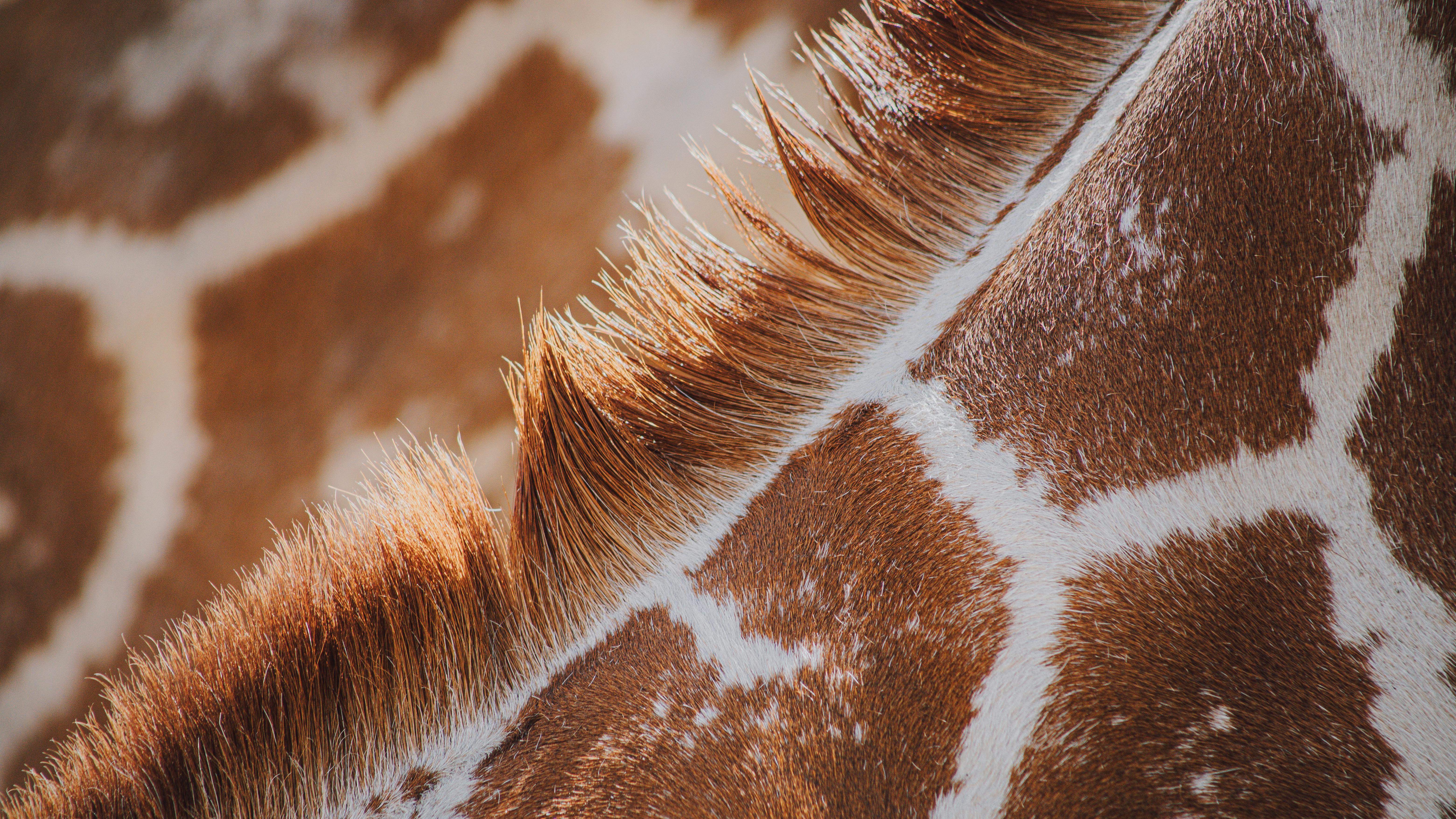
Masai Giraffe
The Masai giraffe is the tallest land mammal in the world and one of the most distinctive wildlife species found within Naretunoi Conservancy. Native to southern Kenya and northern Tanzania, this graceful herbivore is easily recognized by its irregular star-shaped patches and long neck adapted for browsing high vegetation.
At Naretunoi, the Masai giraffe plays a crucial ecological role by shaping tree growth and supporting plant diversity across the savannah landscape.
Feeding Habits and Ecosystem Role
Masai giraffes feed primarily on acacia trees, using their long tongues and tough lips to strip leaves and shoots without damaging the branches. This feeding behavior:
- Controls excessive tree growth
- Encourages fresh vegetation regrowth
- Creates open spaces for grasses to thrive
By naturally managing vegetation levels, giraffes help maintain balanced habitats for many other species.
Habitat at Naretunoi Conservancy
The open plains and scattered woodlands of Naretunoi Conservancy provide ideal living conditions for giraffes. These habitats offer:
- Abundant acacia browse throughout the year
- Clear visibility to detect predators
- Peaceful breeding areas protected from human activity
Giraffes often move in loose groups, roaming across large areas in search of fresh food sources.
Conservation Challenges
Masai giraffe populations have declined significantly due to:
- Habitat fragmentation
- Human settlement expansion
- Poaching for meat and hides
Their slow reproduction rate makes population recovery challenging without conservation support.
Naretunoi Conservancy’s Conservation Efforts
To protect this endangered species, Naretunoi Conservancy actively implements:
• Habitat restoration programs
• Wildlife population monitoring
• Anti-poaching patrols
• Community conservation awareness initiatives
Local involvement ensures long-term protection and sustainable coexistence.
Cultural Importance
Among the Maasai people, giraffes are admired for their calm nature and elegance, symbolizing peace and balance within the natural world.
Why Masai Giraffes Matter
Healthy giraffe populations contribute to:
✔ Stable woodland ecosystems
✔ Biodiversity conservation
✔ Eco-tourism sustainability
✔ Environmental education opportunities
Plains Zebra
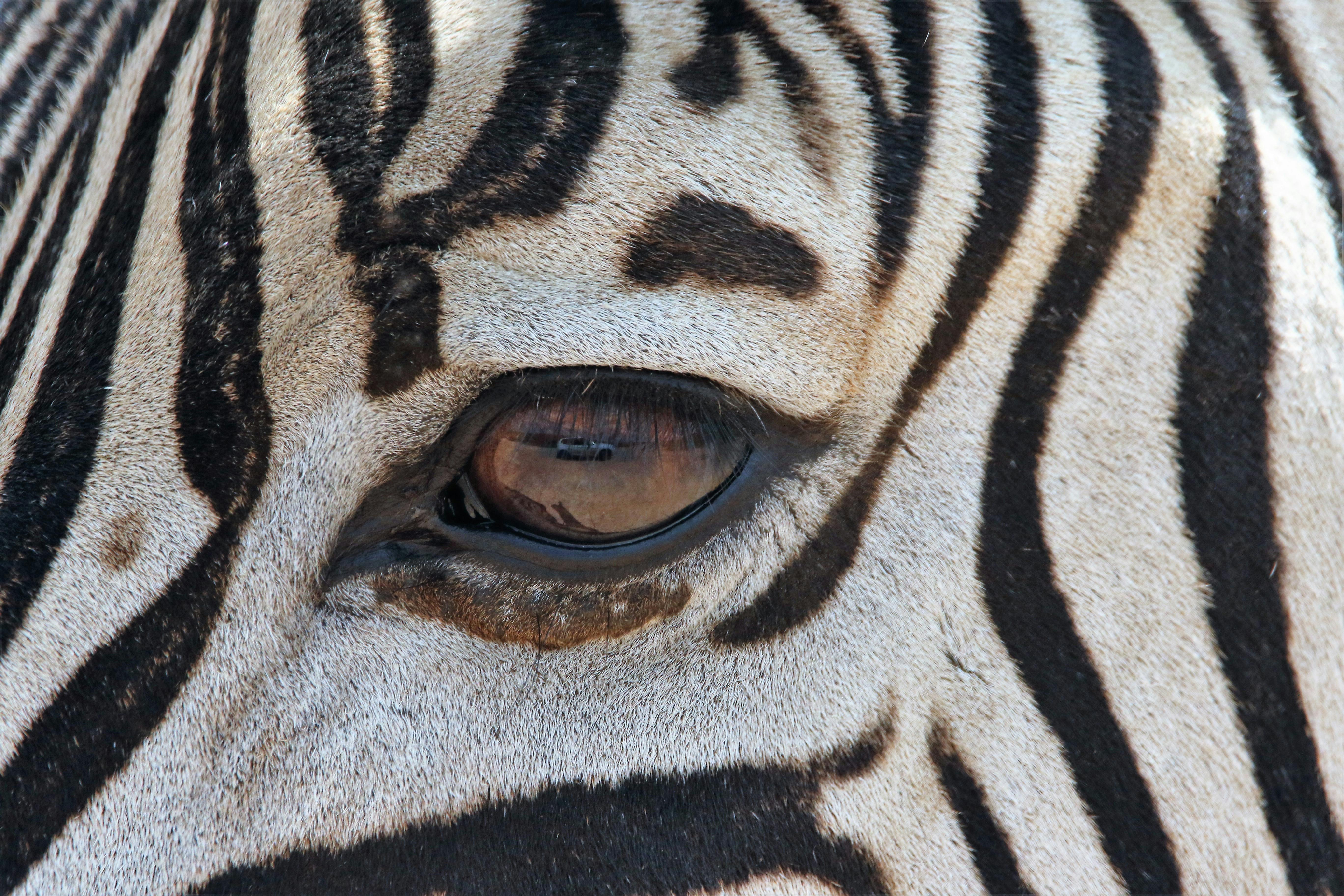
The plains zebra is one of the most recognizable animals of the African savannah, known for its striking black-and-white stripes and strong social bonds. At Naretunoi Conservancy, zebras are a cornerstone species that support the health and balance of open grassland ecosystems.
Their seasonal movements across the conservancy reflect the natural rhythms of rainfall and vegetation growth.
Migration and Grazing Patterns
Plains zebras migrate in herds across wide grassland areas in search of fresh, nutritious grazing. Their grazing behavior:
- Removes old, coarse grass
- Stimulates new plant growth
- Creates feeding opportunities for smaller herbivores
This natural process improves pasture quality for many species, including gazelles and wildebeest.
Habitat at Naretunoi Conservancy
The expansive grass plains of Naretunoi Conservancy offer ideal conditions for zebra herds. These habitats provide:
- Open visibility for predator detection
- Abundant seasonal grasses
- Natural water sources nearby
Zebras often form large mixed herds that enhance safety through collective vigilance.
Ecological Importance
As primary grazers, zebras play a foundational role in the food chain. Their presence supports:
- Predator populations such as lions and hyenas
- Balanced grassland growth
- Increased biodiversity across the savannah
Without zebras, grass ecosystems would quickly become overgrown and less productive.
Conservation Challenges
Plains zebras face increasing pressure from:
- Land fragmentation
- Competition with livestock
- Reduced migration corridors
Protecting open landscapes is essential for their survival.
Naretunoi Conservancy’s Role in Protection
Naretunoi Conservancy focuses on:
• Preserving natural migration routes
• Reducing human-wildlife conflict
• Maintaining healthy grazing areas
• Community-led conservation education
Cultural Connection
Among the Maasai community, zebras are admired for their unity and resilience, often seen as symbols of cooperation and harmony within nature.
Why Zebras Matter
Healthy zebra populations ensure:
✔ Productive grasslands
✔ Strong predator-prey balance
✔ Thriving biodiversity
✔ Sustainable conservation tourism
Spotted Hyena
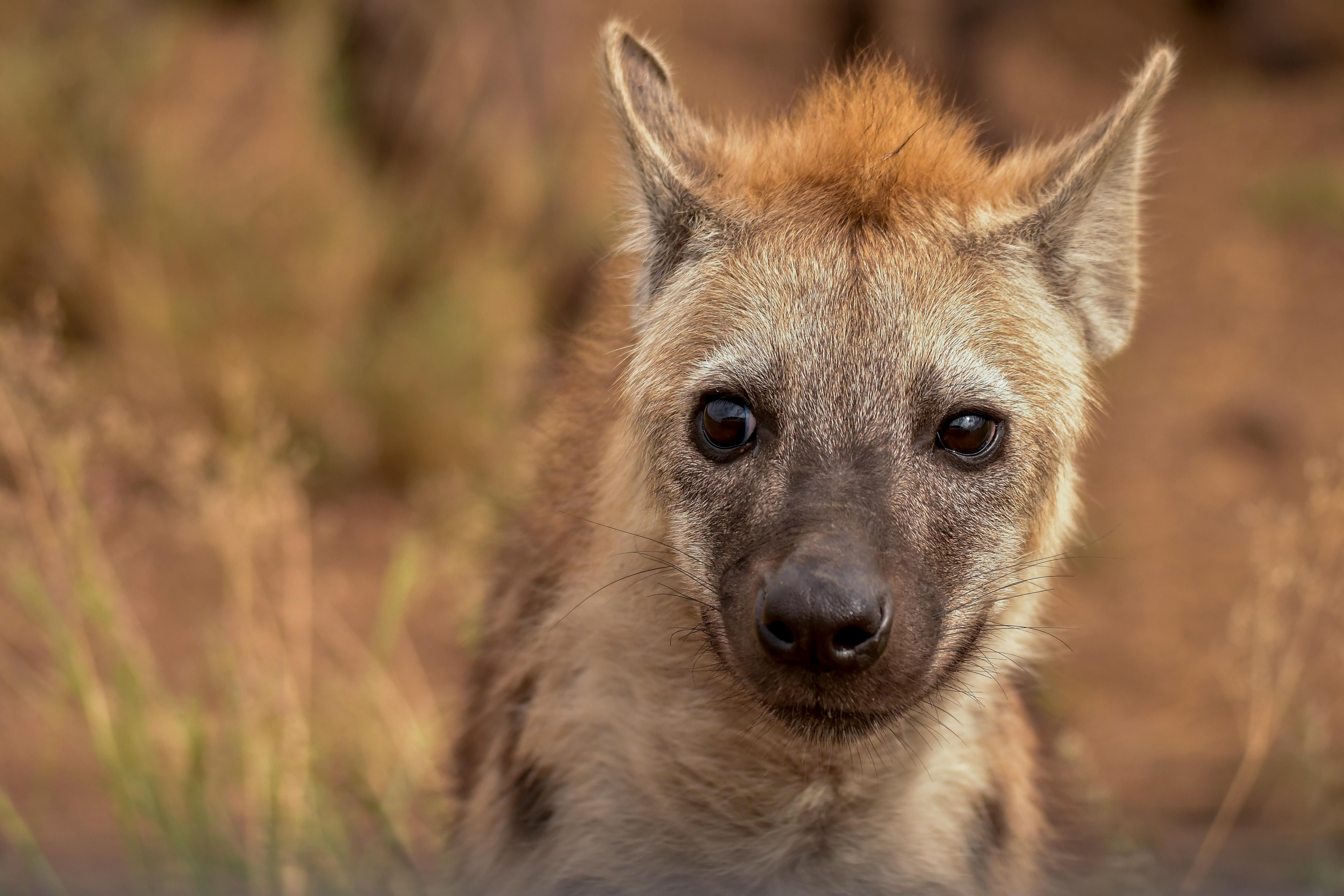
The spotted hyena is one of Africa’s most misunderstood yet essential wildlife species. Often viewed only as scavengers, hyenas are in fact highly intelligent hunters responsible for the majority of their own kills. At Naretunoi Conservancy, they play a vital role in maintaining ecological health by removing animal remains and controlling prey populations.
Their powerful jaws allow them to consume bones and carcasses that other predators cannot, ensuring no part of the ecosystem goes to waste.
Hunting and Feeding Behavior
Spotted hyenas hunt both alone and in coordinated groups, targeting herbivores such as zebras, wildebeest, and gazelles. Their feeding habits:
- Reduce the spread of disease by clearing carcasses
- Support nutrient recycling into the soil
- Balance wildlife population numbers
This natural cleanup process is essential for a healthy savannah environment.
Habitat at Naretunoi Conservancy
The open plains and woodland edges of Naretunoi Conservancy provide ideal conditions for hyena clans. These areas offer:
- Safe denning sites for raising young
- Access to abundant prey species
- Wide territories for night-time hunting
Hyenas are mostly active at dusk and during the night, covering large distances in search of food.
Ecological Importance
Hyenas are keystone species within the conservancy’s food web. Their presence ensures:
- Faster decomposition of organic matter
- Reduced disease transmission
- Stable predator-prey relationships
Without hyenas, carcasses would accumulate, increasing health risks for wildlife and humans alike.
Conservation Challenges
While currently listed as Least Concern, hyenas face threats including:
- Habitat loss
- Persecution due to livestock conflicts
- Negative cultural perceptions
Education and coexistence strategies are essential for long-term survival.
Naretunoi Conservancy’s Conservation Approach
To protect hyenas and support ecosystem balance, Naretunoi Conservancy focuses on:
• Community awareness programs
• Livestock protection techniques
• Habitat conservation efforts
• Wildlife monitoring
Cultural Perspective
In Maasai tradition, hyenas are respected for their resilience and role in nature’s cycle, though often approached with caution due to their nocturnal habits.
Why Spotted Hyenas Matter
Healthy hyena populations contribute to:
✔ Clean ecosystems
✔ Reduced disease spread
✔ Balanced wildlife numbers
✔ Strong natural food chains
Thomsons Gazelle
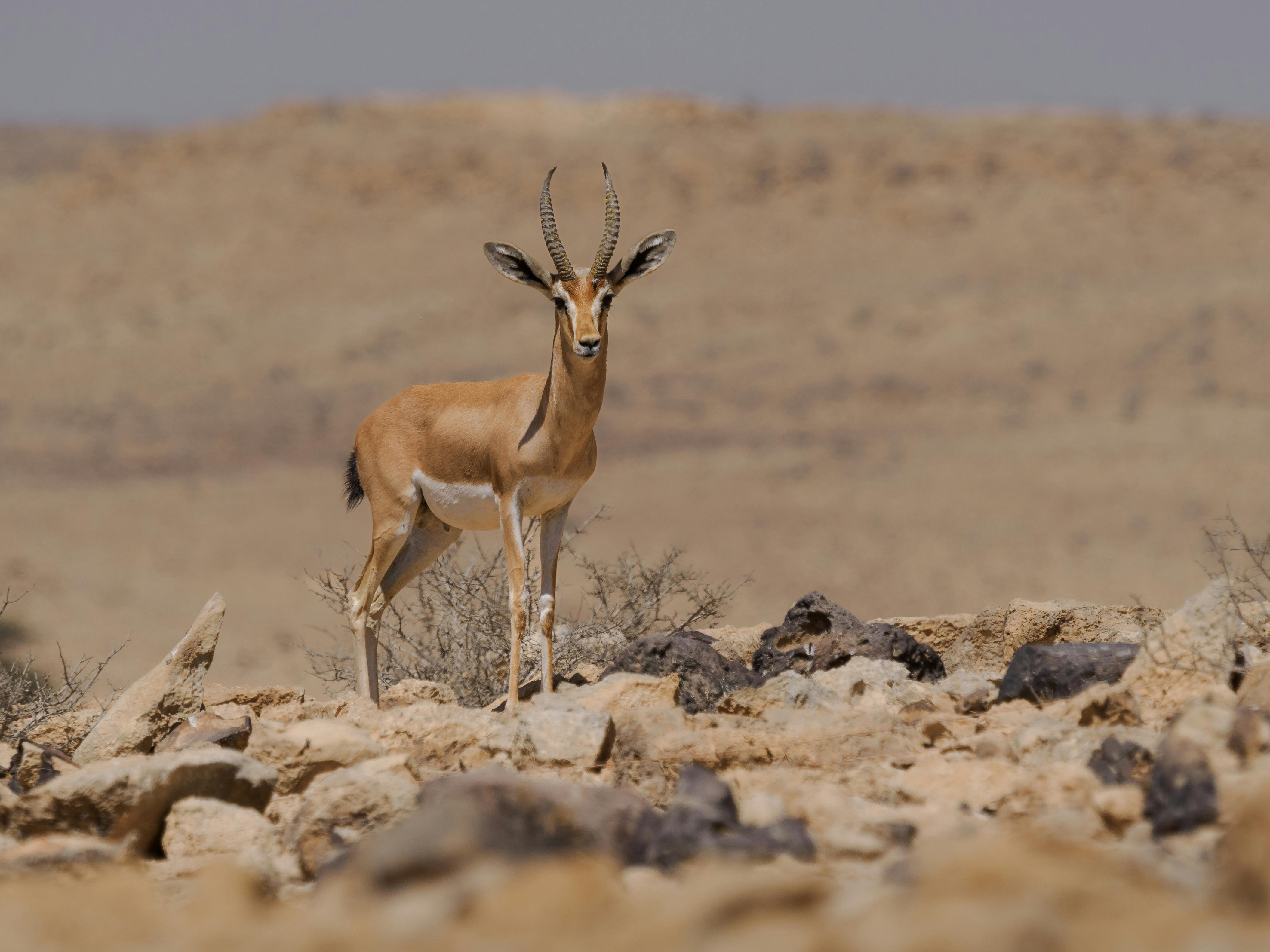
Thomson’s gazelle is one of the most agile and graceful herbivores of the African savannah, well known for its speed and alert nature. At Naretunoi Conservancy, these small antelopes thrive across open grasslands where visibility allows them to detect predators quickly and respond with remarkable bursts of speed.
Their presence is a sign of a healthy, functioning ecosystem.
Grazing Behavior and Diet
Thomson’s gazelles feed primarily on short grasses and tender shoots, selecting the most nutritious plant growth. Their grazing:
- Maintains grass at optimal height
- Encourages new vegetation growth
- Supports soil fertility through natural nutrient cycling
By feeding selectively, gazelles help maintain high-quality grazing areas for other herbivores.
Role in the Food Chain
As a primary prey species, Thomson’s gazelles are essential to the survival of many predators at Naretunoi Conservancy, including lions, cheetahs, leopards, and hyenas. Their populations directly support:
- Predator health and reproduction
- Natural hunting behaviors
- Balanced wildlife population levels
This predator-prey relationship is fundamental to ecological stability.
Habitat at Naretunoi Conservancy
The wide open plains and gently rolling grasslands of Naretunoi provide ideal living conditions for gazelle herds. These areas offer:
- Clear escape routes from predators
- Fresh seasonal grasses
- Access to nearby water sources
Gazelles typically live in groups that enhance protection through shared alertness.
Conservation Considerations
Although currently not endangered, Thomson’s gazelles face threats such as:
- Habitat loss
- Competition with livestock
- Reduced migration spaces
Long-term habitat protection is essential to keep their populations stable.
Naretunoi Conservancy’s Conservation Actions
The conservancy actively supports gazelle populations by:
• Preserving open grassland habitats
• Preventing illegal hunting
• Monitoring wildlife numbers
• Promoting sustainable land use practices
Cultural Connection
Among Maasai communities, gazelles are admired for their speed and elegance, often symbolizing alertness and survival skills in the wild.
Why Thomson’s Gazelles Matter
Healthy gazelle populations ensure:
✔ Strong predator populations
✔ Balanced grass ecosystems
✔ Natural biodiversity
✔ Thriving wildlife tourism