
Privacy & Experience

We use cookies to optimize your journey through the Athi-Kapiti ecosystem and to understand how our restoration projects are viewed.

Policy
The Naretunoi
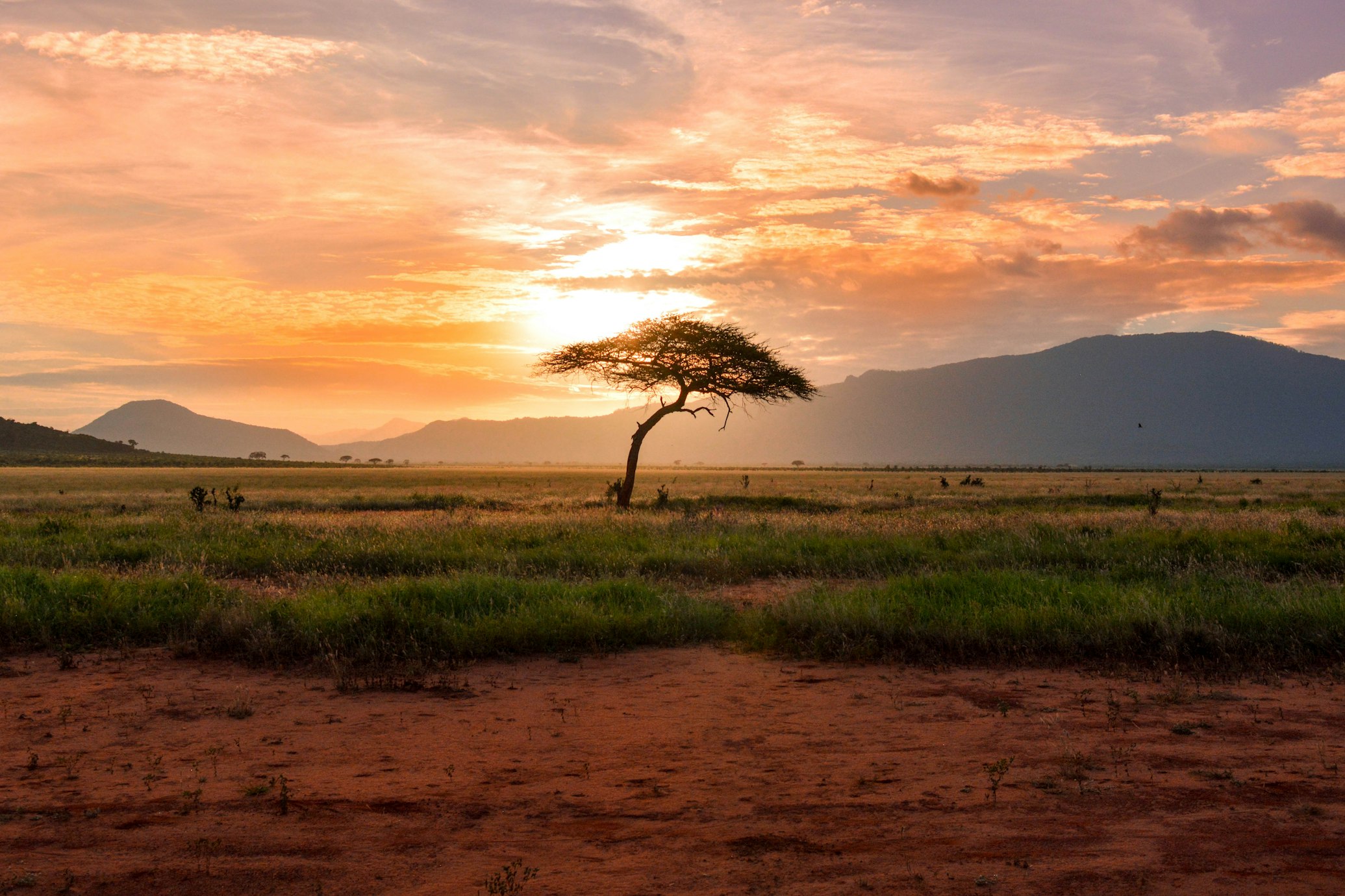
Maasai Mara Savannah
Live from the Conservancy

Protecting Nature.
Empowering Communities.

The Naretunoi connects conservation, eco-tourism, and Maasai craftsmanship to protect wildlife and uplift local livelihoods.

Scroll

Our Essence

Harmony Between Land & Life

Spatial Context

Exploring the
6,000 Acre Frontier

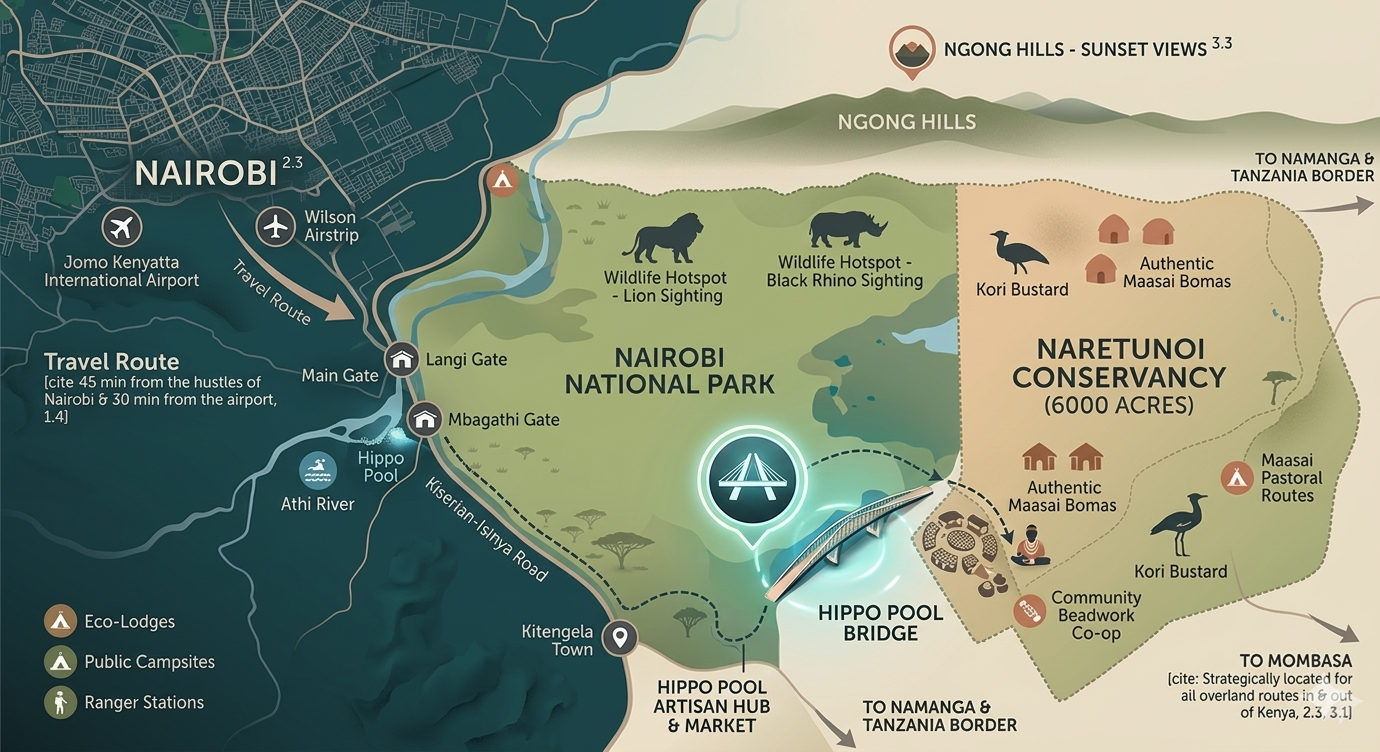
Naretunoi isn't just a location; it's a vital 6,000-acre migratory corridor. Our interactive geography shows the bridge between Nairobi's urban edge and the wild Masai heartland.

🦁
πŸ›–
πŸ“·
Mapped Ecosystem
Naretunoi Conservancy Map

Want to know more about our origins?

Read Our Full Story
Our Global Alliance

United by Purpose

We are proud to collaborate with organizations that share our vision for a thriving Athi-Kapiti corridor. Together, we protect **6,250 acres** and support over **150+ Maasai families**.

Silverback Expeditions

Silverback Expeditions

Conservation Partner

Patron
The  Naretunoi Community Landowners

The Naretunoi Community Landowners

Guardians of the 6,250-acre Mbagathi migratory corridor.

Your Logo Here

Support the 50k acre corridor reach.

Join Us

Discover the Terrain

Our Conservancy Ecosystems

Acacia Savannah Plains
Savannah

Acacia Savannah Plains

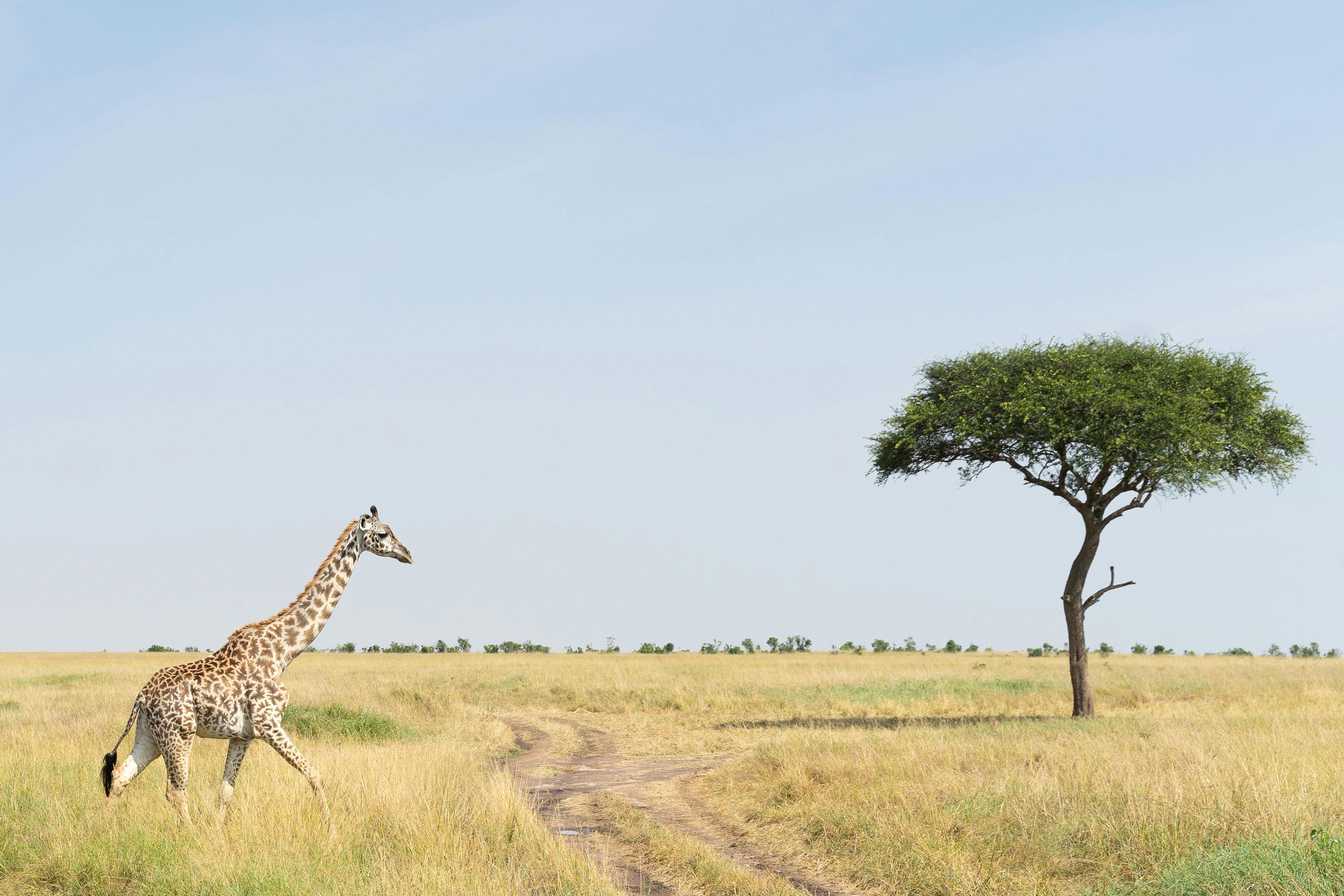
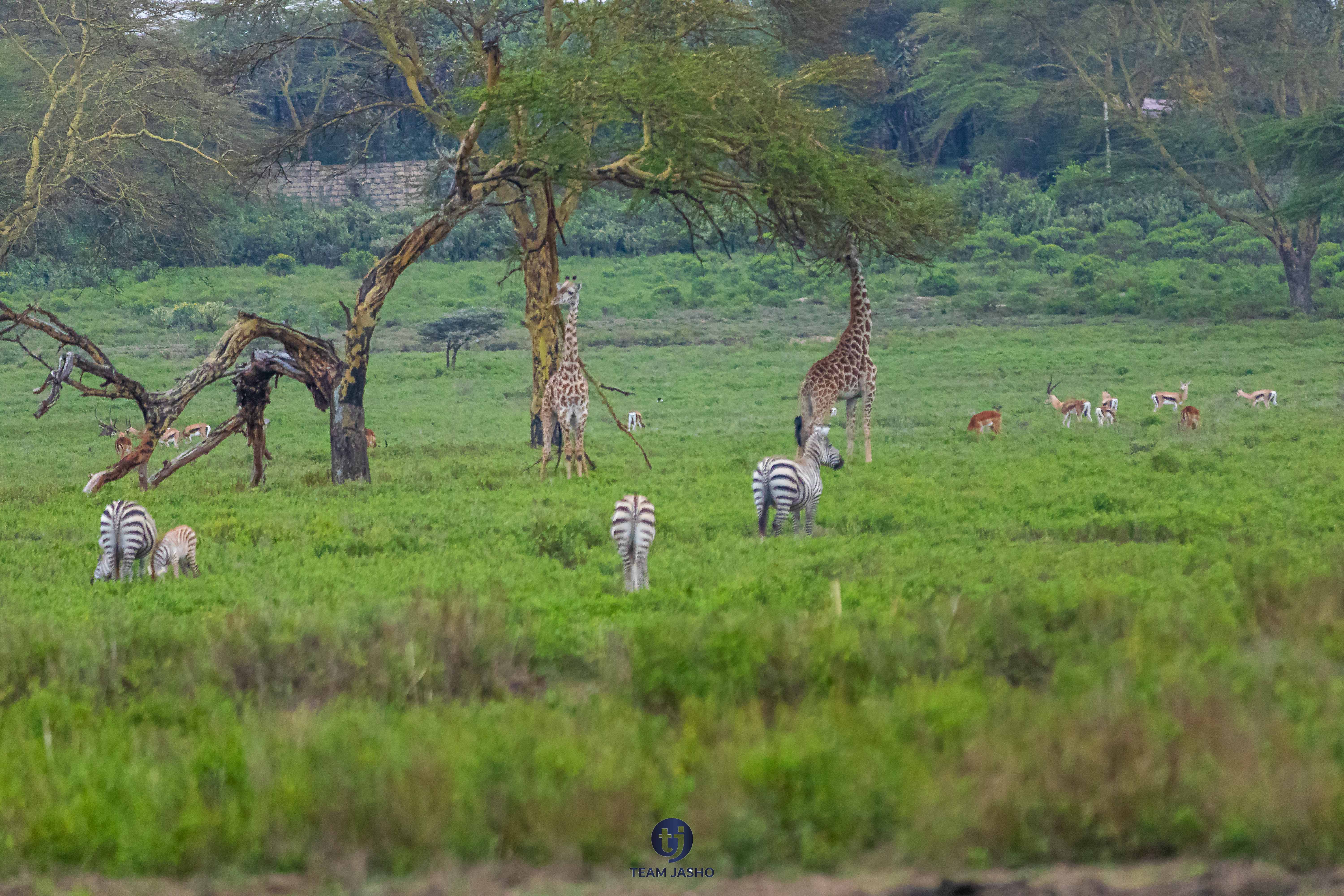
Wide open savannahs dotted with iconic acacia trees form the heart of Naretunoi Conservancy. This expansive landscape stretches across rolling plains, providing a perfect environment for a variety of wildlife and offering visitors an authentic African safari experience.Key FeaturesVast Grasslands: Open spaces allow large herbivores to roam freely and predators to hunt naturally.Iconic Trees: Scattered acacia trees offer shade and vantage points for birds and small mammals.Wildlife Richness: Supports zebras, giraffes, elephants, and other iconic African species.Wildlife HighlightsZebras – Commonly seen grazing in herds, contributing to the balance of grassland ecosystems.Giraffes – Feeding on acacia leaves, helping maintain tree growth and shape.Elephants – These gentle giants create pathways through the landscape, supporting biodiversity.Bird Species – Ideal area for bird watchers, including hornbills, weavers, and raptors.Activities for VisitorsGuided Safari Tours: Explore the plains with knowledgeable guides.Photography: Capture wildlife and panoramic savannah landscapes.Bird Watching: Enjoy the diversity of resident and migratory birds.Conservation ImportanceThe Acacia Savannah Plains are vital for:Supporting Herbivore Populations: Providing grazing for zebras, giraffes, and antelopes.Maintaining Ecosystem Balance: Predators like lions and hyenas depend on this habitat for hunting.Community Engagement: Local communities benefit from eco-tourism and conservation initiatives.Visitor TipsBest time to visit: Early morning or late afternoon for wildlife activity.Wear neutral-colored clothing to blend into the environment.Bring binoculars and cameras to fully experience the wildlife.

View Detail
Riverine Forests
Riparian / Forest

Riverine Forests

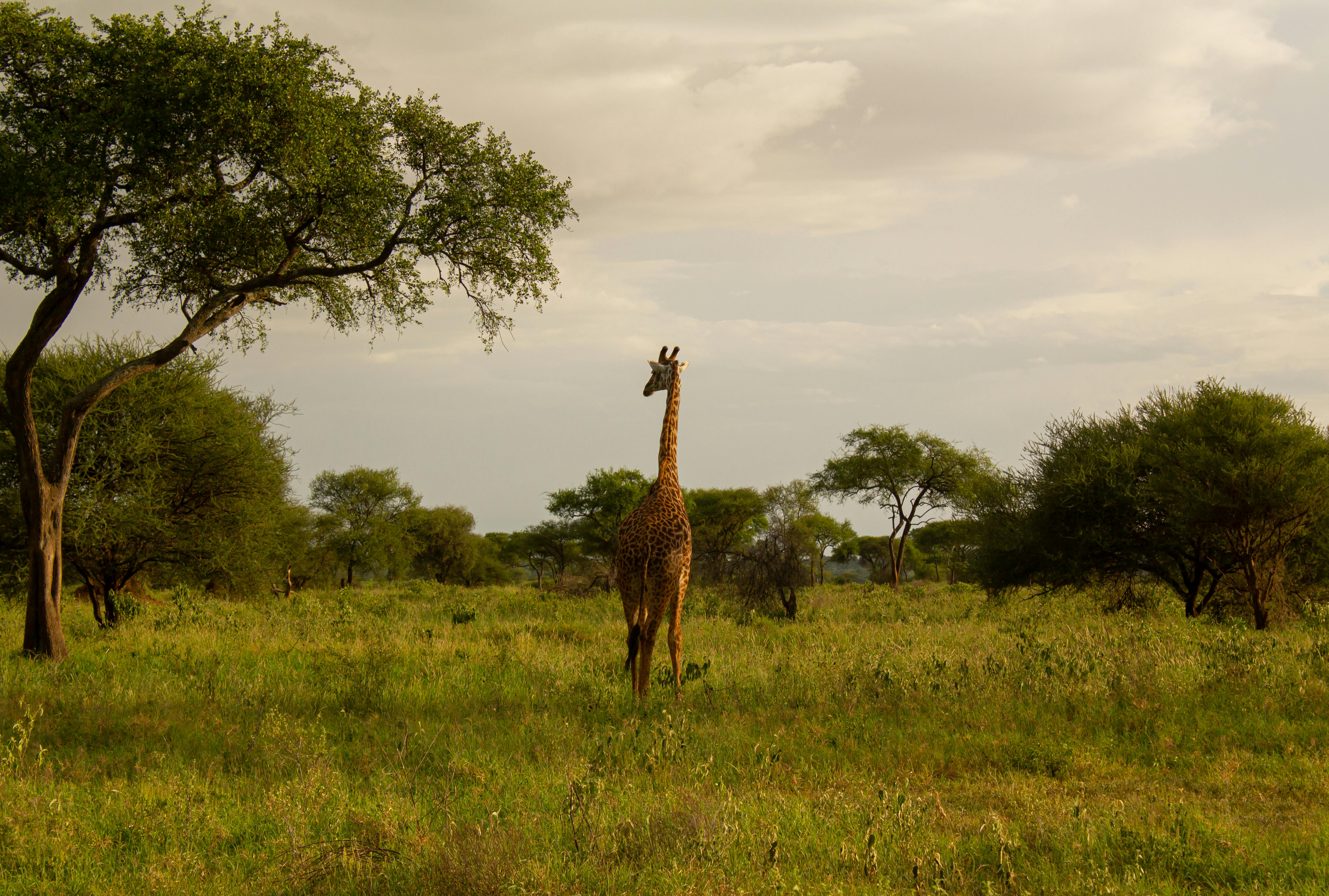
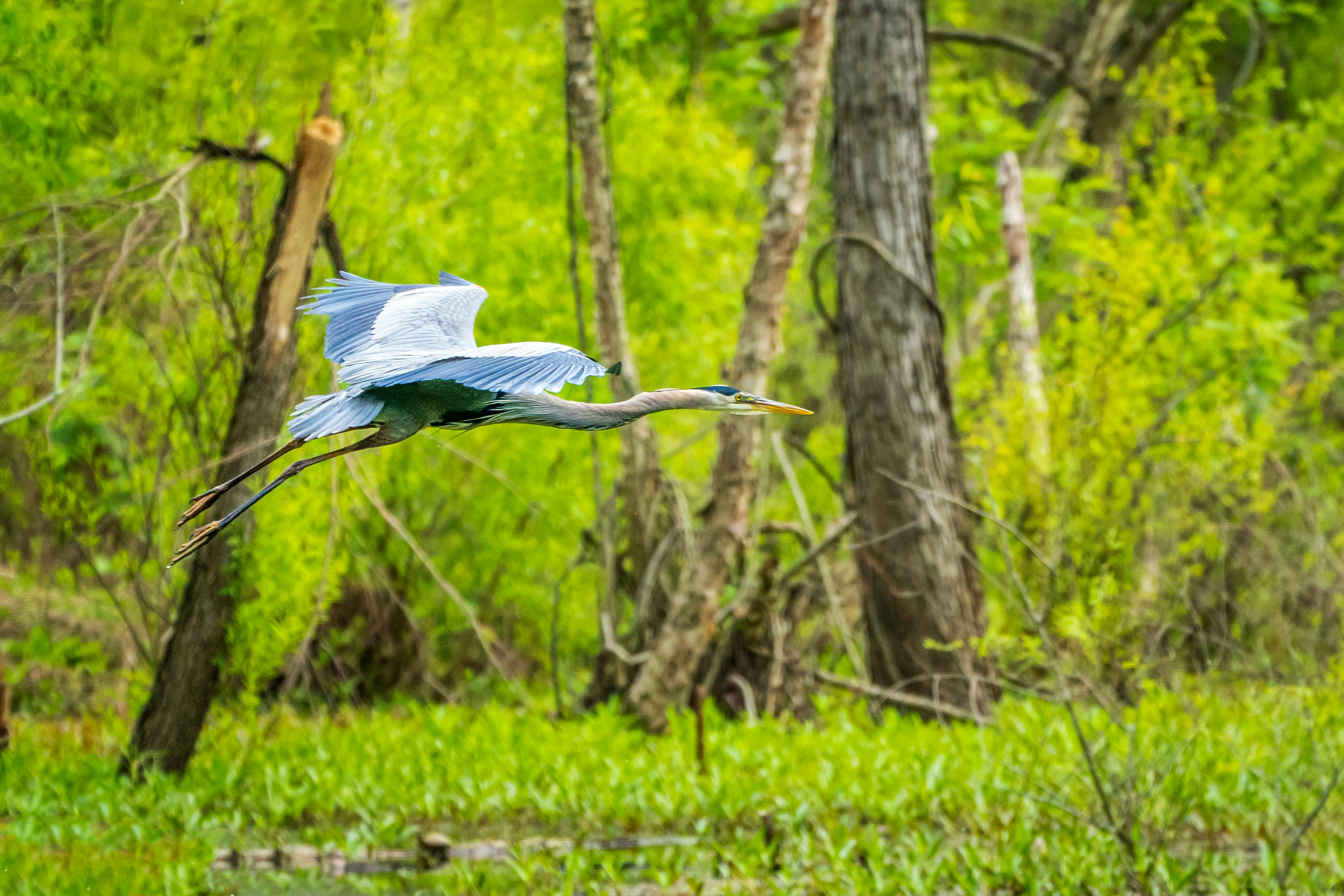
Naretunoi's riverine forests line the seasonal rivers that traverse the conservancy. These lush, green corridors provide critical shade and fresh water for a wide variety of wildlife, forming a lifeline for the ecosystem. The riverine forests also play a vital role in preventing soil erosion, maintaining water quality, and supporting biodiversity.Key FeaturesLush Vegetation: Dense forest areas along the rivers, providing natural shelter and microhabitats.Water Sources: Seasonal rivers and streams that sustain both flora and fauna.Biodiversity Hotspot: Home to monkeys, bushbucks, and numerous bird species.Wildlife HighlightsMonkeys – Agile inhabitants of the canopy, including vervet monkeys and colobus monkeys.Bushbucks – Elusive forest antelopes that thrive in shaded areas near water.Bird Species – Kingfishers, hornbills, and weavers make the forest a paradise for birdwatchers.Reptiles and Amphibians – Frogs, lizards, and snakes benefit from the damp environment.Activities for VisitorsGuided Nature Walks: Explore the forest floor and riverbanks with knowledgeable guides.Bird Watching: Spot and identify resident and migratory bird species.Photography: Capture intimate wildlife encounters and scenic forest landscapes.Conservation ImportanceThe riverine forests are critical for:Wildlife Habitat: Providing shade, water, and protection for numerous species.Erosion Control: Roots stabilize soil along riverbanks, preventing landslides and siltation.Water Conservation: Maintaining clean, flowing water throughout the conservancy.Climate Regulation: Forests act as carbon sinks, contributing to climate mitigation.Visitor TipsBest time to explore: Early morning, when animals are most active.Wear sturdy shoes and neutral clothing to navigate forest trails safely.Carry water, binoculars, and insect repellent for comfort and observation.

View Detail
Rocky Outcrops
Rock Formation

Rocky Outcrops

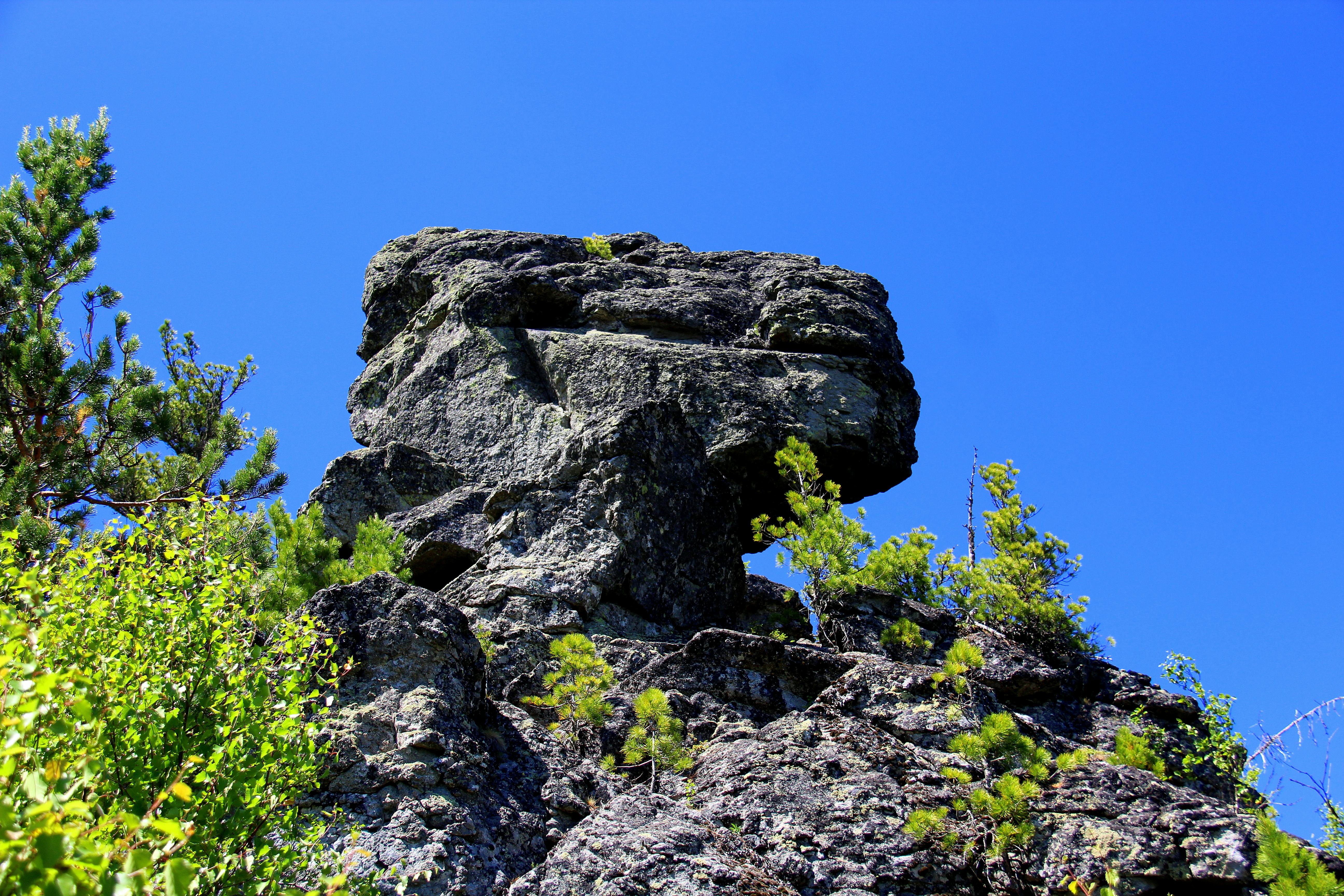
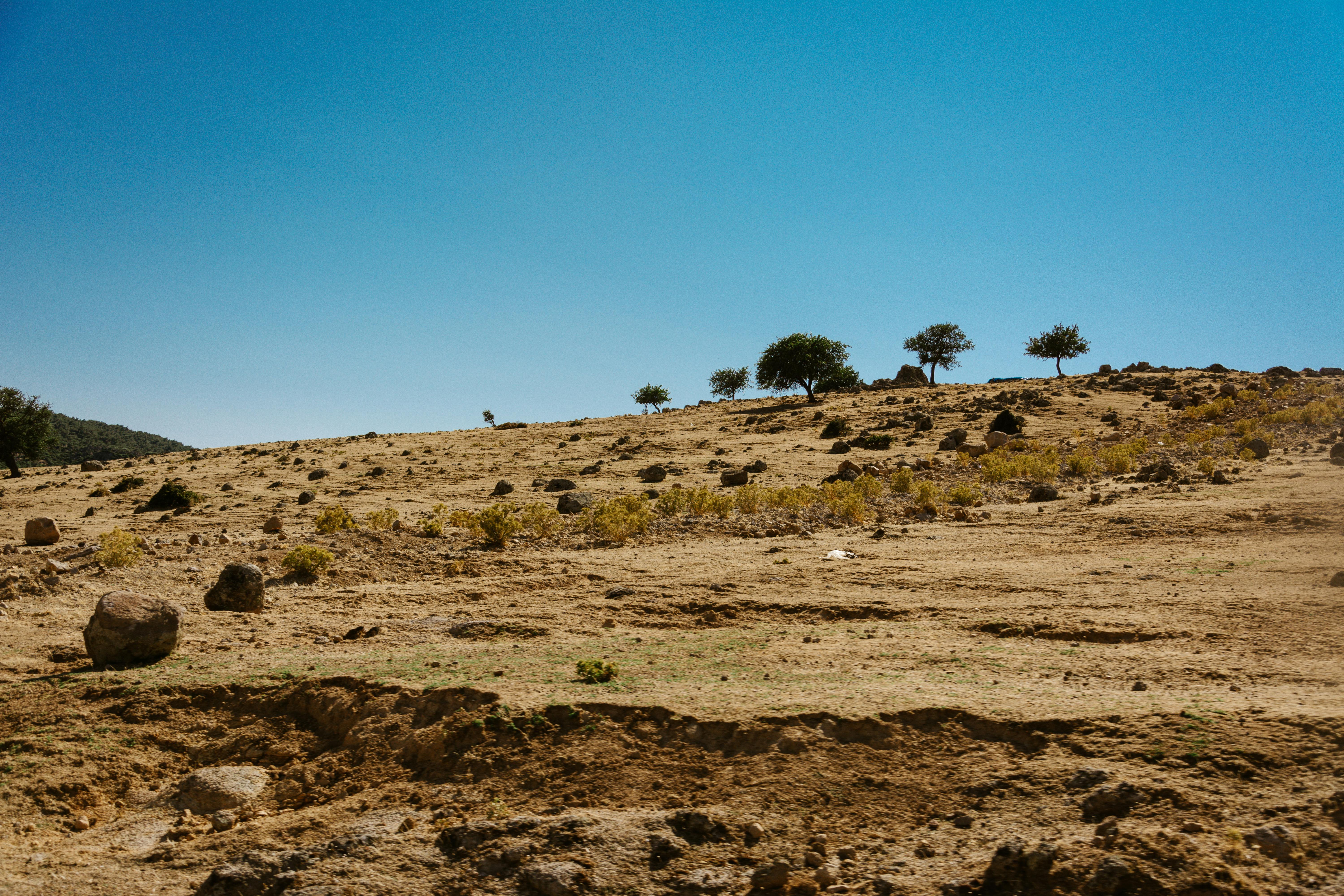
Scattered rocky outcrops punctuate the landscape of Naretunoi Conservancy, creating a striking contrast to the surrounding grasslands and savannahs. These natural formations provide essential shelter for wildlife, including leopards, hyenas, and small mammals, while also offering visitors spectacular viewpoints over the plains.Key FeaturesNatural Shelters: Crevices and caves provide refuge for predators and small mammals.Panoramic Views: Elevated rocks give breathtaking vistas of the conservancy, perfect for photography and sightseeing.Unique Flora: Hardy shrubs and grasses grow in cracks, adding to the ecosystem’s diversity.Wildlife HighlightsLeopards – Secretive predators that use the rocky formations for hunting and resting.Hyenas – Often seen near rock bases or caves, contributing to ecosystem balance.Small Mammals – Rock hyraxes, mongooses, and other species find shelter in crevices.Birds of Prey – Eagles and hawks perch on rock ledges to survey the plains for prey.Activities for VisitorsPhotography: Capture dramatic landscapes and wildlife interactions.Hiking & Exploration: Gentle climbs to scenic viewpoints suitable for all fitness levels.Wildlife Observation: Spot elusive predators and enjoy unique ecological features.Conservation ImportanceRocky outcrops are essential to Naretunoi Conservancy because they:Provide Predator Shelters: Safe resting and hunting grounds for leopards and hyenas.Support Biodiversity: Crevices, ledges, and microhabitats support small mammals, birds, and reptiles.Aid Research & Education: Ideal for ecological studies and visitor learning experiences.Promote Eco-tourism: Attract photographers, hikers, and nature enthusiasts, supporting community income.Visitor TipsVisit during early morning or late afternoon for the best light and wildlife sightings.Wear sturdy shoes for uneven terrain.Bring cameras and binoculars for observing wildlife safely.

View Detail
Grassland Plains
Grassland

Grassland Plains

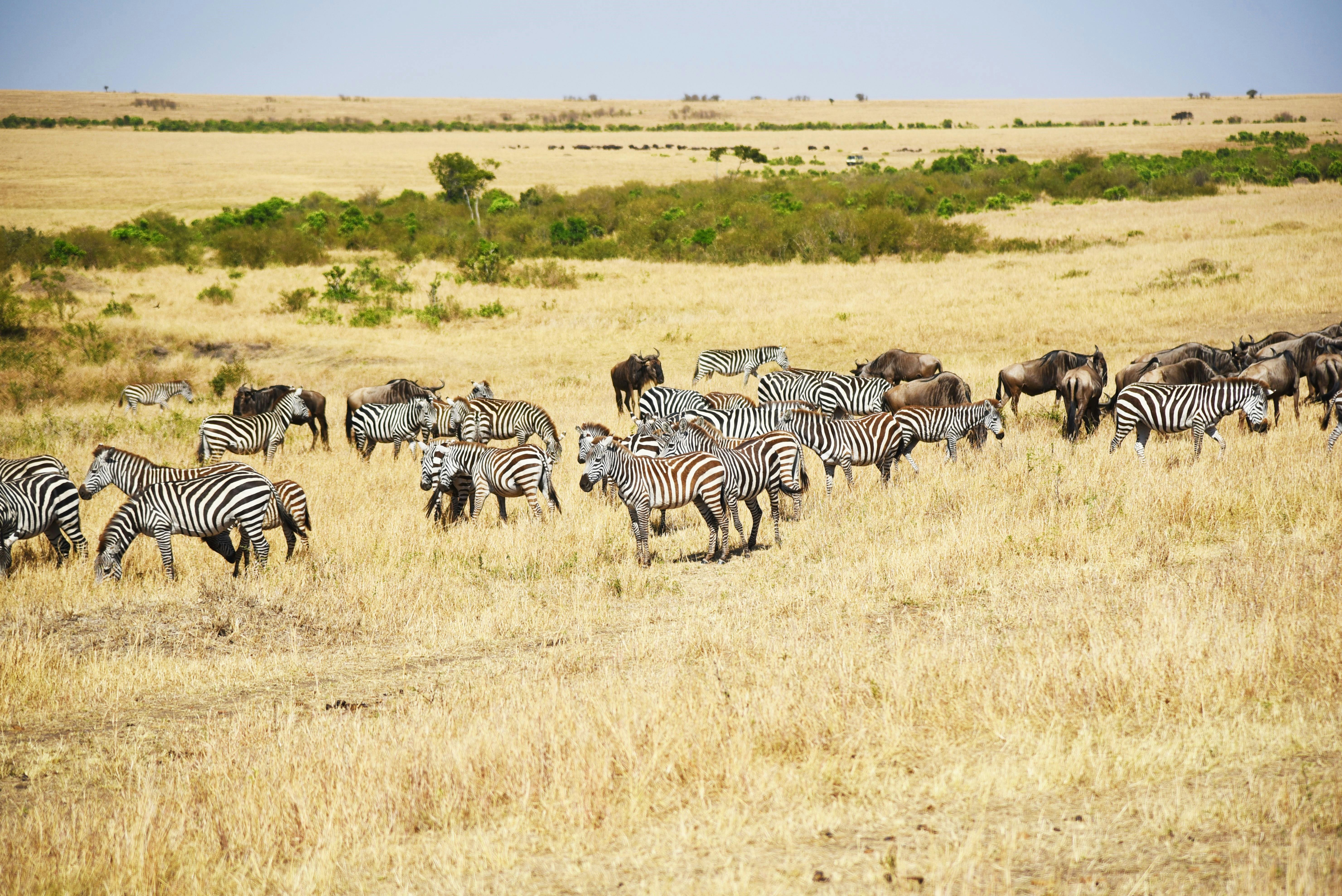
Extensive grassland plains dominate the northern section of Naretunoi Conservancy, forming a vital habitat for grazing herbivores and supporting the ecological balance of the region. These open landscapes allow wildlife to roam freely and create scenic vistas that are ideal for visitors seeking an authentic African safari experience.Key FeaturesVast Open Spaces: Expansive plains allow animals to graze and predators to roam naturally.Grazing Management: Controlled burns and rotational grazing ensure healthy grass growth and prevent overgrazing.Scenic Views: The flat, open terrain provides panoramic views of wildlife activity across the conservancy.Wildlife HighlightsThomson's Gazelle – Agile grazers that move in herds across the plains, sustaining predator-prey dynamics.Impala – Commonly found grazing in mixed herds, playing a key role in the ecosystem.Zebras & Wildebeests – Seasonal movement across grasslands supports biodiversity and soil fertility.Predators – Lions and cheetahs are attracted to the plains due to abundant prey.Activities for VisitorsGuided Safaris: Explore the grasslands with professional guides to spot grazing herds and predators.Wildlife Photography: Perfect environment for capturing dynamic animal interactions and landscapes.Bird Watching: Spot ground-dwelling birds like ostriches and secretary birds thriving in open grasslands.Conservation ImportanceGrassland plains are essential because they:Support Herbivore Populations: Providing a sustainable grazing habitat for numerous species.Maintain Predator-Prey Balance: Open plains allow predators to hunt naturally, sustaining ecological balance.Promote Ecosystem Health: Controlled burns prevent bush encroachment and encourage nutrient-rich grass growth.Boost Eco-tourism: The vast plains attract visitors, supporting local communities through tourism revenue.Visitor TipsBest time to visit: Early morning or late afternoon when wildlife is most active.Wear neutral-colored clothing to blend into the environment.Carry binoculars, cameras, and water to fully enjoy the safari experience.

View Detail
Wetland Marshes
Wetland

Wetland Marshes

Seasonal wetlands and marshes within Naretunoi Conservancy are vital ecosystems that attract a wide variety of wildlife. These areas act as natural water reservoirs, replenishing groundwater and providing essential drinking water for larger mammals. The marshes are also critical stopovers for migratory birds and breeding grounds for amphibians and insects.Key FeaturesSeasonal Wetlands: Flooded during rainy seasons, creating temporary habitats for aquatic species.Groundwater Recharge: Marshes help maintain water tables and supply clean water for wildlife and vegetation.Biodiversity Hotspot: Supports migratory birds, amphibians, insects, and resident mammals.Wildlife HighlightsMigratory Birds – Include species such as storks, herons, and sandpipers that use the marshes as feeding grounds.Amphibians – Frogs and toads thrive in the wetland pools, supporting predator species.Insects – Dragonflies, damselflies, and other insects provide a crucial food source for birds and amphibians.Mammals – Elephants, antelopes, and zebras rely on marsh water during dry periods.Activities for VisitorsBird Watching: Ideal for observing both resident and migratory species in their natural habitat.Photography: Capture reflections, bird flights, and unique wetland ecosystems.Eco-Tours: Guided tours explain the ecological importance of wetlands in conservation.Conservation ImportanceWetland marshes are essential for:Water Security: Provide water for wildlife and surrounding vegetation during dry periods.Biodiversity Support: Serve as breeding and feeding grounds for a wide range of species.Flood Control: Natural marshes absorb excess rainwater, reducing erosion and flooding.Education & Research: Offer opportunities for ecological studies and visitor learning experiences.Visitor TipsBest visiting times: Early morning or late afternoon for bird activity.Wear waterproof boots if exploring near marshes.Carry binoculars, cameras, and insect repellent.

View Detail
Hilltop Woodlands
Woodland / Hill

Hilltop Woodlands

Small hilltop woodlands within Naretunoi Conservancy provide a unique mix of indigenous trees and shrubs. These elevated areas serve as critical habitats for birds, small mammals, and herbivores, while also offering panoramic lookout points for rangers monitoring wildlife. The woodlands contribute significantly to the biodiversity and ecological stability of the conservancy.Key FeaturesIndigenous Vegetation: Mixture of trees, shrubs, and grasses native to the region.Nesting Sites: Ideal for birds, including raptors and small forest species.Elevated Lookouts: Hilltops provide vantage points for wildlife observation and ranger patrols.Wildlife HighlightsBirds – Woodlands host a variety of nesting birds, including hornbills, shrikes, and doves.Herbivores – Species such as bushbucks and duikers find shade and forage among the trees.Small Mammals – Squirrels, mongooses, and other small mammals use woodland cover for shelter.Insects & Pollinators – Native flowering shrubs support bees, butterflies, and other pollinators.Activities for VisitorsNature Walks: Explore hilltop trails and discover the diversity of plant and animal life.Bird Watching: Excellent vantage points for spotting birds in their natural habitat.Photography: Capture unique wildlife interactions and panoramic woodland landscapes.Conservation ImportanceHilltop woodlands are critical because they:Support Biodiversity: Provide habitats for birds, mammals, and pollinators.Enhance Ecosystem Stability: Prevent soil erosion on hilltops and contribute to watershed health.Aid Ranger Monitoring: Elevated vantage points help rangers observe wildlife and track movement patterns.Promote Eco-tourism: Scenic viewpoints and rich biodiversity attract visitors, benefiting local communities.Visitor TipsBest time to visit: Early morning or late afternoon when wildlife is active.Wear comfortable shoes suitable for hilltop terrain.Bring binoculars and cameras to fully enjoy wildlife and scenic views.

View Detail

Direct Impact

Conservation Projects

View All Initiatives β†’
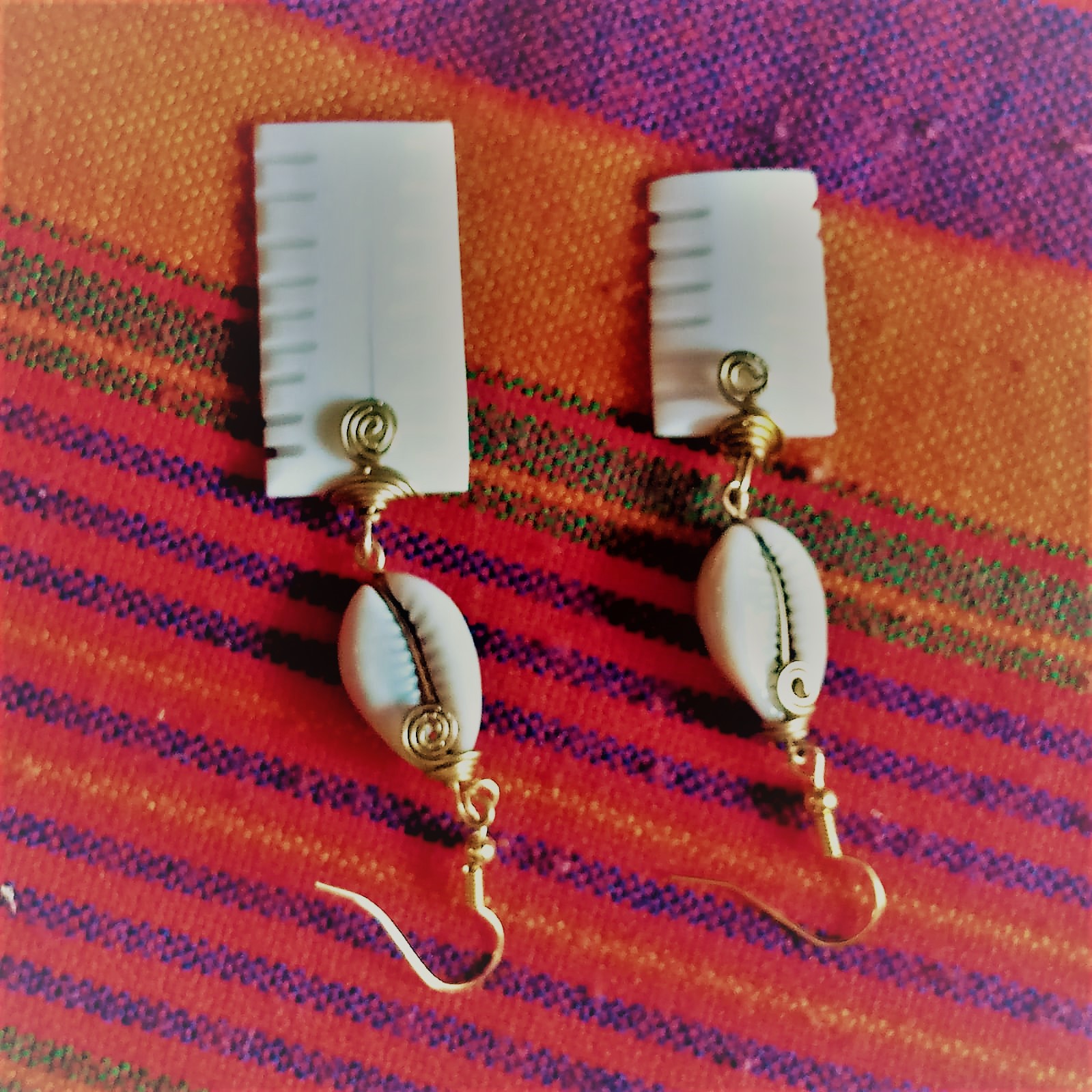
Upgrading Ormakau Market for Maasai Women Artisans
Field Update
active

Upgrading Ormakau Market for Maasai Women Artisans

Recent Field Note

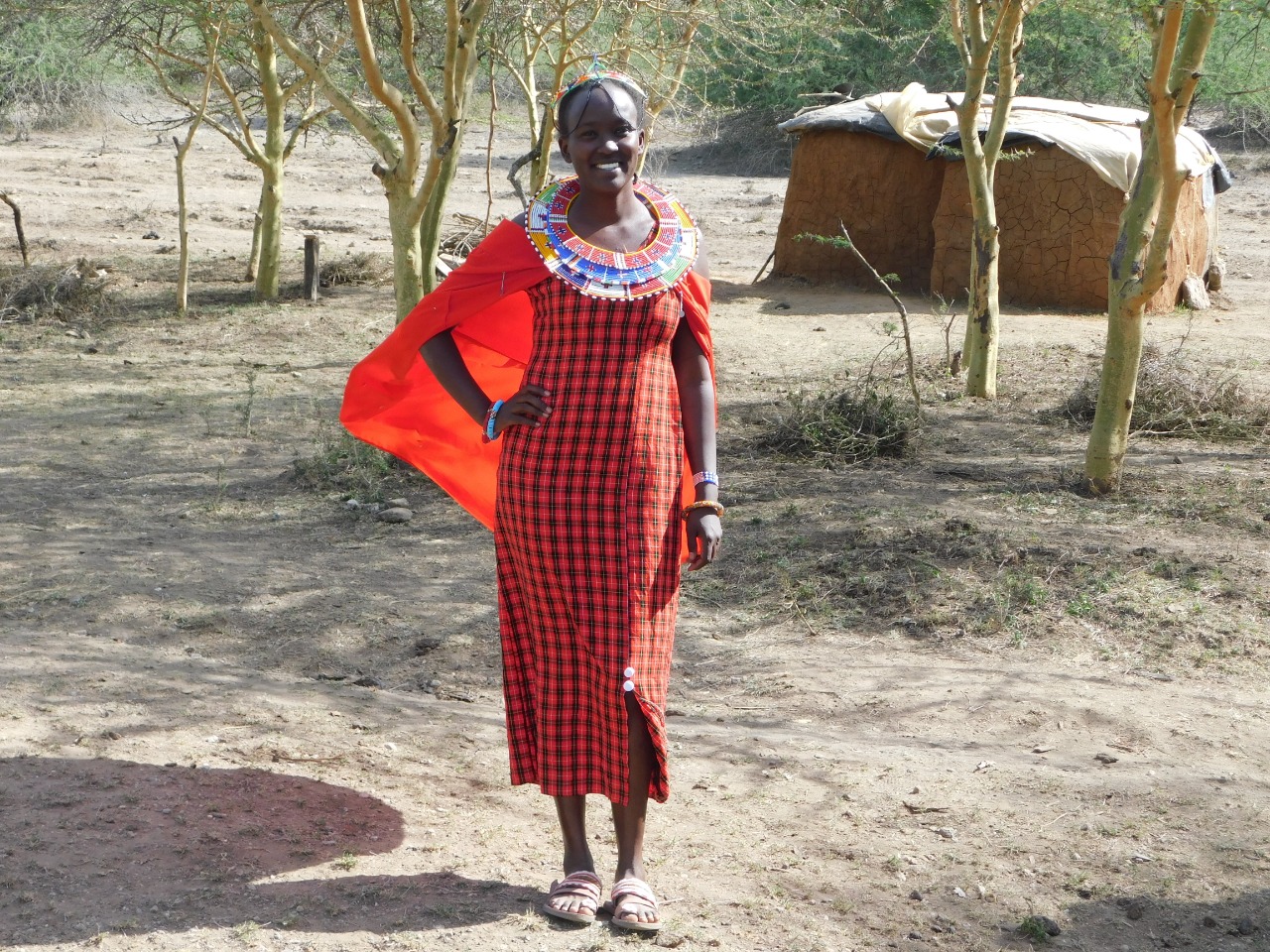
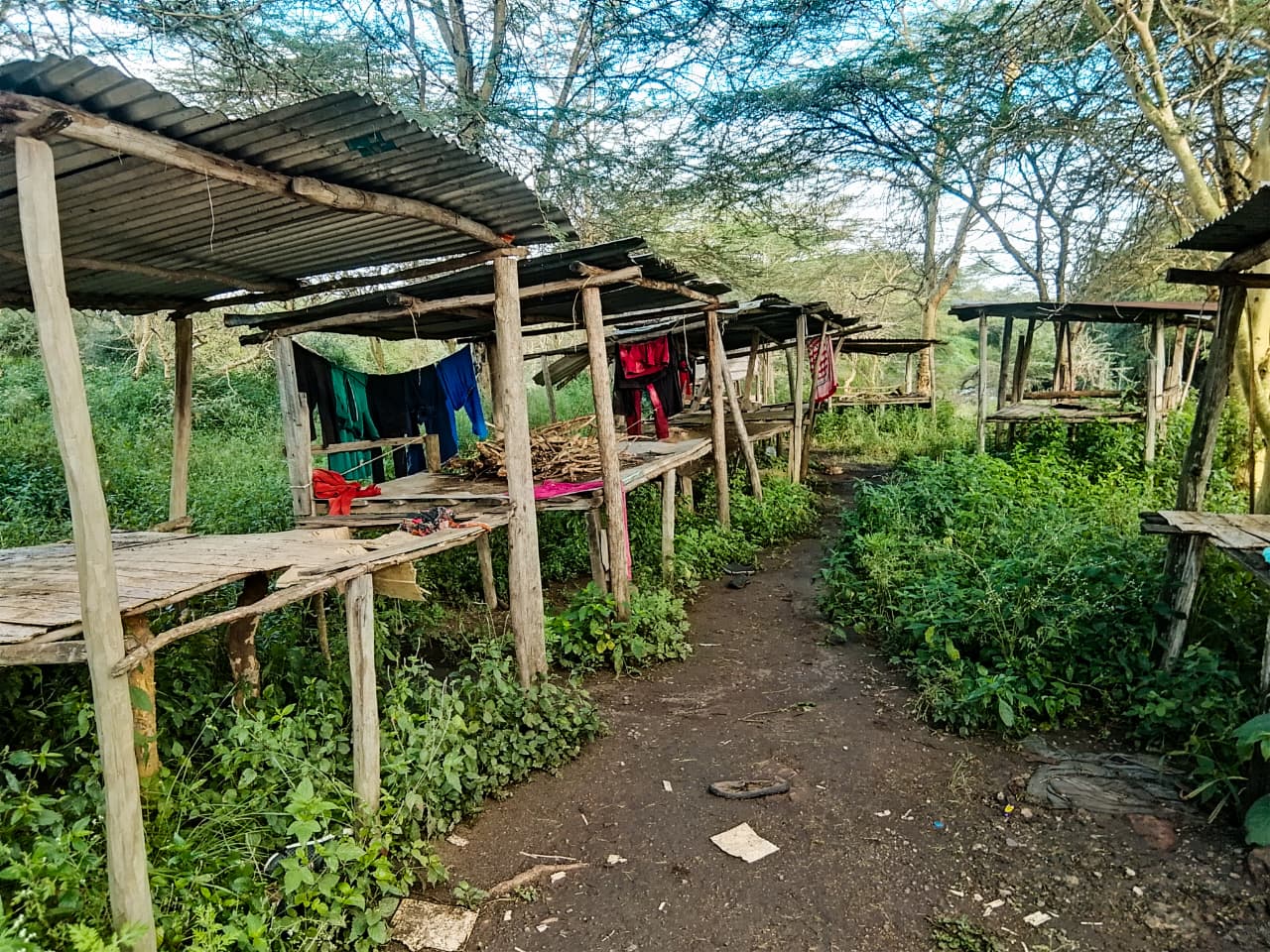
"We are excited to launch the Ormakau Market Upgrade Project β€” a community-driven initiative aimed at improving livelihoods for Maasai women artisans near Nairobi National Park. The market has long been a place of cultural exchange, where visitors connect with local craftsmanship through handmade beadwork and traditional designs. As access to the area improves, there is a growing opportunity to enhance the market itself β€” creating a better experience for both vendors and visitors. Through this project, Naretunoi is working alongside the local community to build a more structured, organized, and welcoming marketplace. We invite you to support this initiative and be part of a meaningful impact on community livelihoods."

Impact Score 0%
Funded: KES 0 Target: KES 1,000,000
Lion-Proof Boma Upgrades
Field Update
active

Lion-Proof Boma Upgrades

Recent Field Note

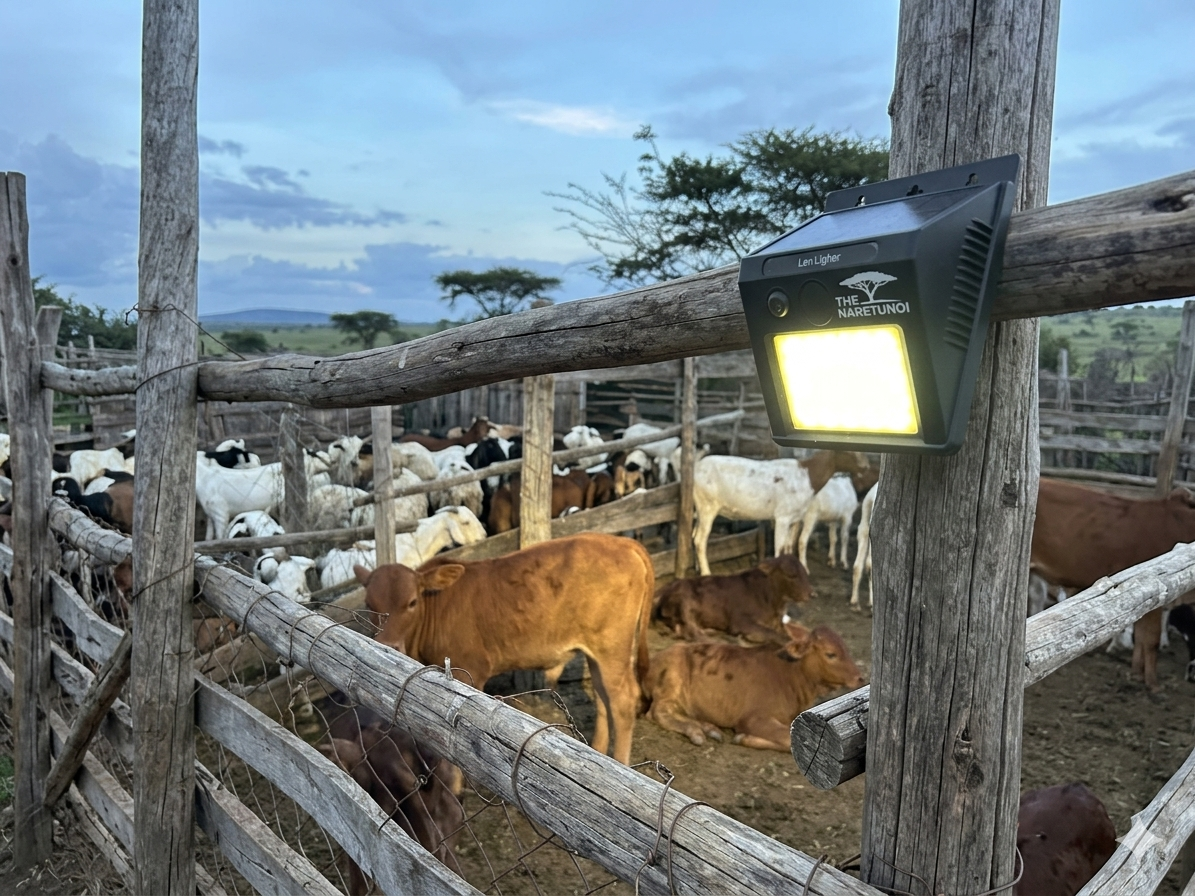
"We have completed the ground-level assessment across the Naretunoi Conservancy. We know exactly which 15 bomas are highest risk. We know which predator corridors the lions use. We know which families have lost livestock in the last 12 months.Now we need to act before the next attack happens.WHERE WE ARE NOWβ€” 5 bomas fully identified and mapped along active predator corridors β€” Solar durability testing completed with local technicians β€” Ubuntu Boma model adopted as our installation standard β€” Community herders trained on light positioning and basic maintenance  β€” 10 remaining bomas identified  β€” installation pending fundingWHAT ONE BOMA COSTSKES 30,000 fully protects one family boma with solar Lion Lights and reinforced fencing. That is one family whose livestock is safe. One family who stops losing sleep. One family who no longer has a reason to hunt a lion.15 bomas. KES 450,000. Zero lion deaths.LENA'S STORYOne of the first community members to benefit from the Ubuntu Boma model described it simply β€” she now sleeps like a child. Her cattle are safe. Her family is safe. The lions are safe.That is what KES 30,000 buys. Not equipment. Peace.We are bringing that same peace to 15 more families at Naretunoi.HOW TO CONTRIBUTEKES 30,000 β€” fully protects one family boma KES 15,000 β€” covers solar lights for one boma KES 5,000 β€” contributes fencing materials for one householdDonate via M-Pesa or card on this page. Till 6490991 β€” Naretunoi Conservancy.For CSR partnerships email info@naretunoi.co.ke or WhatsApp 0715 775 682.The lions are still out there. The families are still waiting. Help us protect both."

Impact Score 27%
Funded: KES 120,000 Target: KES 450,000

Sustainable Luxury

Eco-Lodges &
Wilderness Stays

View All Sanctuaries
Naretunoi Wild Escape
Naretunoi Conservancy

Starting from

1500 per person

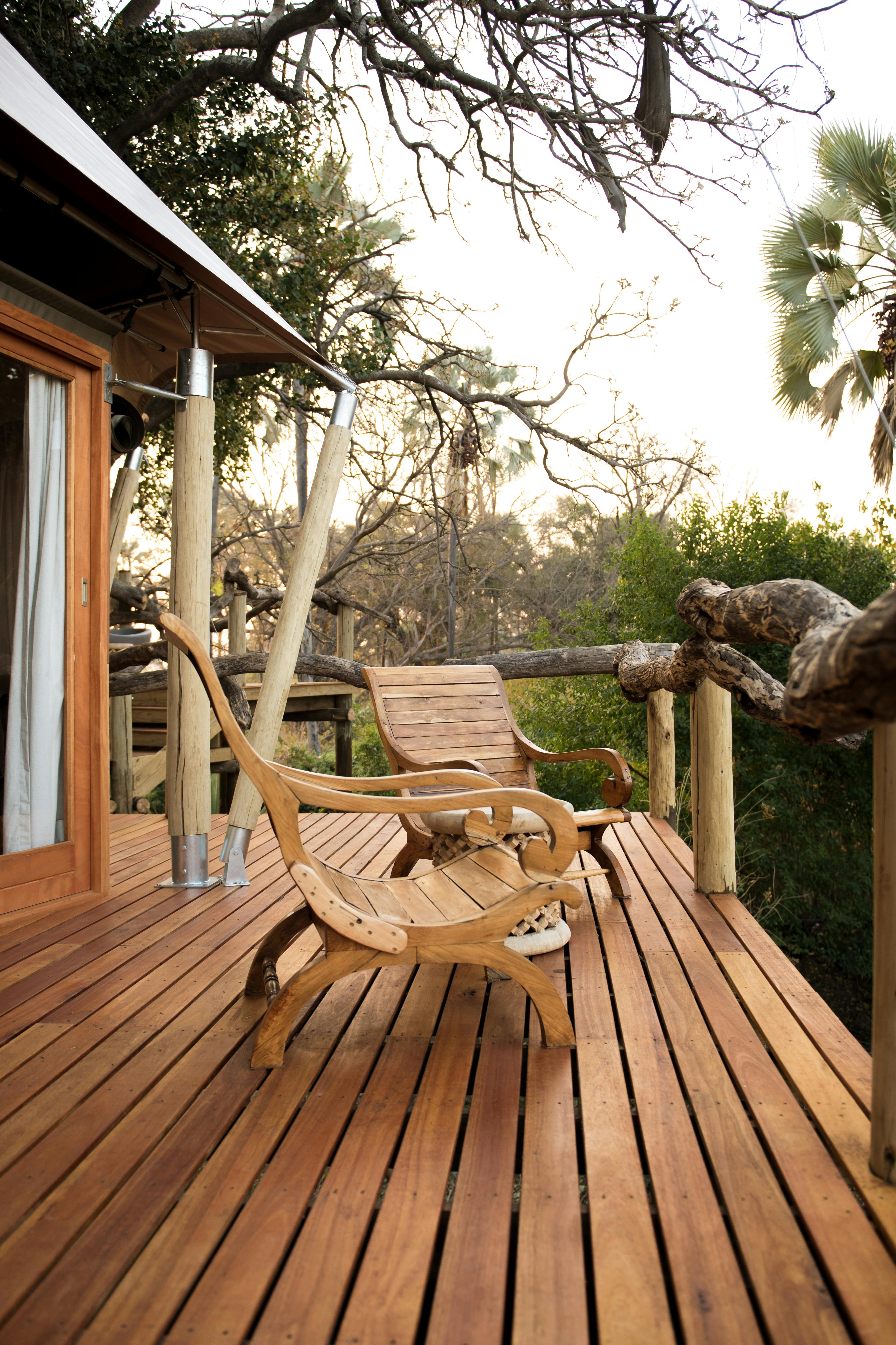
Naretunoi Wild Escape

"Experience the true spirit of the wild at Naretunoi Conservancy. Set within a breathtaking natural l..."

Parking Guided Safari Tours Nature Walks
Doc\'s Eco Camp
Naretunoi Conservancy (Empakasi Near NNP)

Starting from

Mid-Range / Luxury

Doc\'s Eco Camp

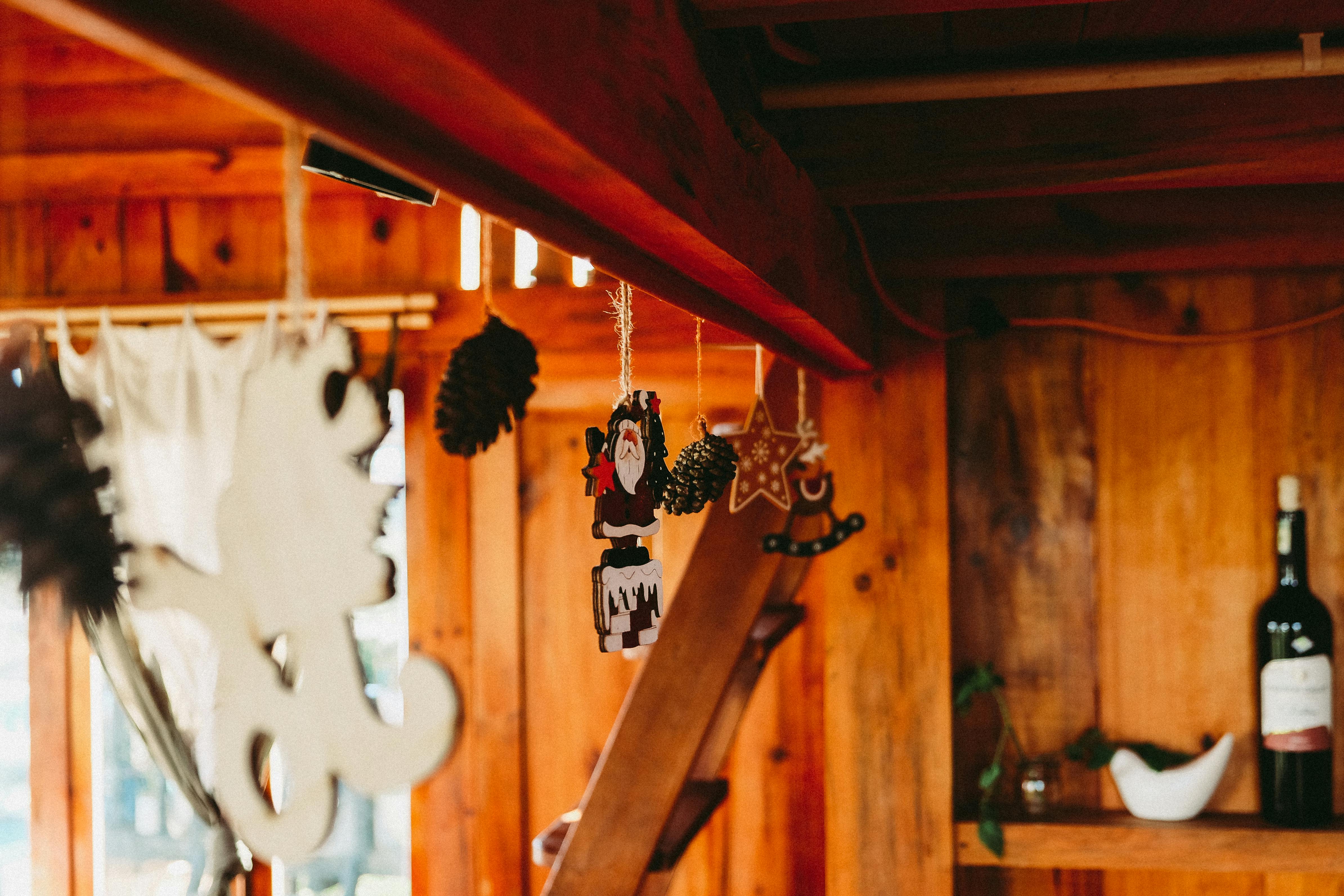
" A sustainable 6-acre sanctuary in the Masai wilderness overlooking Ngong Hills and Nairobi Nat..."

Free WiFi Parking Restaurant
Sintoiya Lodge
Naretunoi, near Nairobi National Park

Starting from

KES 12,000 - 15,000

Sintoiya Lodge

"Sintoiya Lodge (Wilderness Escape & Creative Retreat)A peaceful dream taking shape in the wild...."

Free WiFi Parking Restaurant

The Journal

Stories from the Field

Ride Wild, Give Back: Savanna Stride Cycling Experience Comes to Naretunoi Conservancy
07 May

Ride Wild, Give Back: Savanna Stride Cycling Experience Comes to Naretunoi Conservancy

Adventure, conservation, and community come together this June as Savanna Stride and Silverback Expeditions present the highly anticipated β€œRide Wild. Give Back.” experience at Naretunoi Conservancy.Set against the breathtaking landscapes near Nairobi National Park, this unique outdoor experience will combine cycling, camping, tree planting, nature connection, and unforgettable moments in the wild.The ExperienceThe event is designed for cyclists, campers, nature lovers, photographers, and adventure seekers looking for an exciting escape while contributing to conservation efforts.Participants will ride through scenic savannah trails surrounded by wildlife, open landscapes, and peaceful natural surroundings. Alongside the cycling experience, attendees will also take part in a tree planting initiative aimed at supporting environmental conservation and restoring nature.Whether you are an experienced rider or simply looking for a beginner-friendly outdoor adventure, the event welcomes all fitness levels with flexible ride categories.Ride Categories10KM – Beginner Friendly Scenic Ride20KM – Intermediate Adventure Ride30KM – Extended Wild Trail ExperienceThe routes will offer riders an immersive conservancy experience featuring stunning scenery, fresh air, wildlife sightings, and unforgettable photography moments.Stride Village Camping ExperienceBefore the main ride on June 6th, participants will have the opportunity to join the Stride Village camping experience on June 5th.The overnight experience will include:Camping under the starsCampfire and fellowshipNetworking with fellow adventurersNature photography opportunitiesRelaxing bonfire atmosphereA peaceful connection with natureGuests are encouraged to arrive early and enjoy the full outdoor experience before the cycling event begins.Event DetailsDate: June 6th, 2026Venue: Naretunoi ConservancyEntry Fee: KES 2,200Camping (with own tent): KES 2,000 per personCamping (without tent): KES 3,000 per personMore Than Just a Rideβ€œRide Wild. Give Back.” is more than a cycling event β€” it is a movement that encourages people to reconnect with nature while supporting conservation and sustainable outdoor experiences.With breathtaking landscapes, meaningful environmental action, and a vibrant outdoor community, the event promises a memorable weekend escape for both adventure lovers and first-time explorers.β€œEvery ride through nature is a reminder that adventure and conservation can move together.”RegistrationEarly registration is encouraged as camping and participation slots may fill quickly.Participants can register via:Website: chuuuna.com/savannastrideWhatsApp: 0112 650 872Get ready to ride wild, camp under the stars, and give back to nature at one of Kenya’s emerging outdoor destinations.

Read Full Entry β†’
Kitengela Corridor Under Pressure: A Fading Migration
26 Apr

Kitengela Corridor Under Pressure: A Fading Migration

At the border of The Naretunoi Conservancy, near the Hippo Pool area adjoining Nairobi National Park, a weathered signboard quietly tells a powerful story β€” one of movement, survival, and growing pressure on one of Kenya’s most important wildlife corridors.The Kitengela migration corridor, once a thriving pathway for thousands of wildebeest and zebras, has long served as a critical extension of Nairobi National Park. Historically, vast herds would move freely across these plains in search of pasture and water, creating a seasonal rhythm that defined the landscape.β€œWe used to see thousands moving through here,” recalls a community member. β€œToday, we don’t experience such numbers.”Over the years, this natural movement has significantly declined. While wildebeest and zebras are still occasionally sighted, their numbers are noticeably lower compared to the early 2000s. What was once a vibrant migration route is now a quieter, fragmented landscape.Several factors have contributed to this shift. Increased human settlement, land subdivision, fencing, and rising grazing pressure have gradually reduced the open space needed for wildlife to move freely. These changes have disrupted traditional migration patterns, limiting access to seasonal grazing areas outside the park.The situation reflects a broader challenge facing conservation areas that border rapidly growing human communities β€” balancing development needs with the protection of vital ecosystems.Despite these challenges, the area remains ecologically significant. Wildlife continues to pass through, though in smaller numbers, and the land still supports both community livelihoods and conservation efforts.As part of the larger Kitengela ecosystem, The Naretunoi Conservancy plays an emerging role in raising awareness, promoting responsible land use, and bridging the gap between conservation and community development. Through digital storytelling, community engagement, and sustainable tourism initiatives, Naretunoi is working to highlight the importance of preserving remaining wildlife corridors.The story of this corridor is not just about decline β€” it is a reminder of what is at stake.Without coordinated efforts to protect these spaces, the risk of losing this migration route entirely becomes increasingly real. Yet with awareness, collaboration, and sustainable planning, there remains hope that these pathways can be preserved for future generations.As the signboard suggests, solutions require partnership β€” between communities, conservation bodies, and all who value the delicate balance between people and wildlife.

Read Full Entry β†’
Paradiso: The Lost Wildlife Haven of Naretunoi
16 Apr

Paradiso: The Lost Wildlife Haven of Naretunoi

In the northern stretch of Naretunoi Conservancy, bordering Nairobi National Park, lies a place many still remember with deep emotion β€” Paradiso. Known for its breathtaking beauty, the name β€œParadiso” was adopted over time, evolving from β€œParadise,” as the Maasai community found it easier to pronounce. True to its name, the area was once a thriving haven for wildlife and a cherished landscape for the community.Between the early 2000s and around 2007, Paradiso was rich with life. Cheetahs roamed the open grasslands, buffalo grazed freely, and herds of antelope and gazelles moved across the plains. It was not uncommon for families to visit the area, especially on weekends, to witness the beauty of nature firsthand. For many, these moments created lasting memories β€” a connection between people, land, and wildlife.β€œI remember coming here often with my father just to watch the animals,” recalls a community member. β€œIt was full of life.”Perhaps most remarkable was the seasonal movement of wildebeest. Much like the famous Serengeti migration, herds would gather and settle in Paradiso before moving on, using the area as a natural resting point. This made it not only a beautiful landscape but also an important ecological space.However, over time, this vibrant ecosystem began to change. Around 2007, wildlife sightings started to decline. Today, animals such as cheetahs and buffalo are rarely seen in the area, with most now found within Nairobi National Park or only occasionally spotted during early mornings or late afternoons.Several factors have contributed to this shift. Increased human settlement, growing grazing pressure, and the expansion of fencing have gradually reduced the space available for wildlife. While there has been no indication of poaching or direct conflict with livestock owners, the changing use of land has significantly impacted natural wildlife movement and habitat.Today, Paradiso still holds life β€” though quieter. Gazelles, antelope, zebras, and wildebeest remain common, alongside a rich diversity of birdlife associated with Nairobi National Park. Occasionally, even black rhinos are sighted in the broader area. The land continues to serve multiple purposes, including grazing, tourism, and conservation.The area is community land, partially managed and supported through conservation awareness and digital storytelling initiatives led by Naretunoi Conservancy. Efforts continue to highlight the importance of preserving such landscapes, not only for wildlife but also for future generations.Yet, new challenges are emerging. Encroachment and land subdivision in nearby areas are increasing pressure on already limited grazing and wildlife space. As the land continues to change, questions arise about how much of Paradiso can be preserved.This story is not just about loss β€” it is about memory, identity, and possibility. Paradiso remains a symbol of what once was, and what could still be protected.As Naretunoi grows as a conservation and community platform, the hope is to restore balance β€” where wildlife and people can once again share the land, and where places like Paradiso can live up to their name once more.

Read Full Entry β†’
Join the Movement

Join our Conservation Journey

Receive monthly field reports, wildlife updates, and exclusive stories from the heart of the Naretunoi Conservancy.

🌿 No spam. Just pure wildlife impact.

Community Voice Empowering Change

Awaiting Input

The rangers are currently identifying the next priority restoration zones.

Support the Ecosystem
© 2026 Naretunoi Conservancy