Living
Landscapes
Explore the vital corridors and ancient plains that form the heartbeat of the Naretunoi Conservancy.
Manyatta (Maasai Homestead)
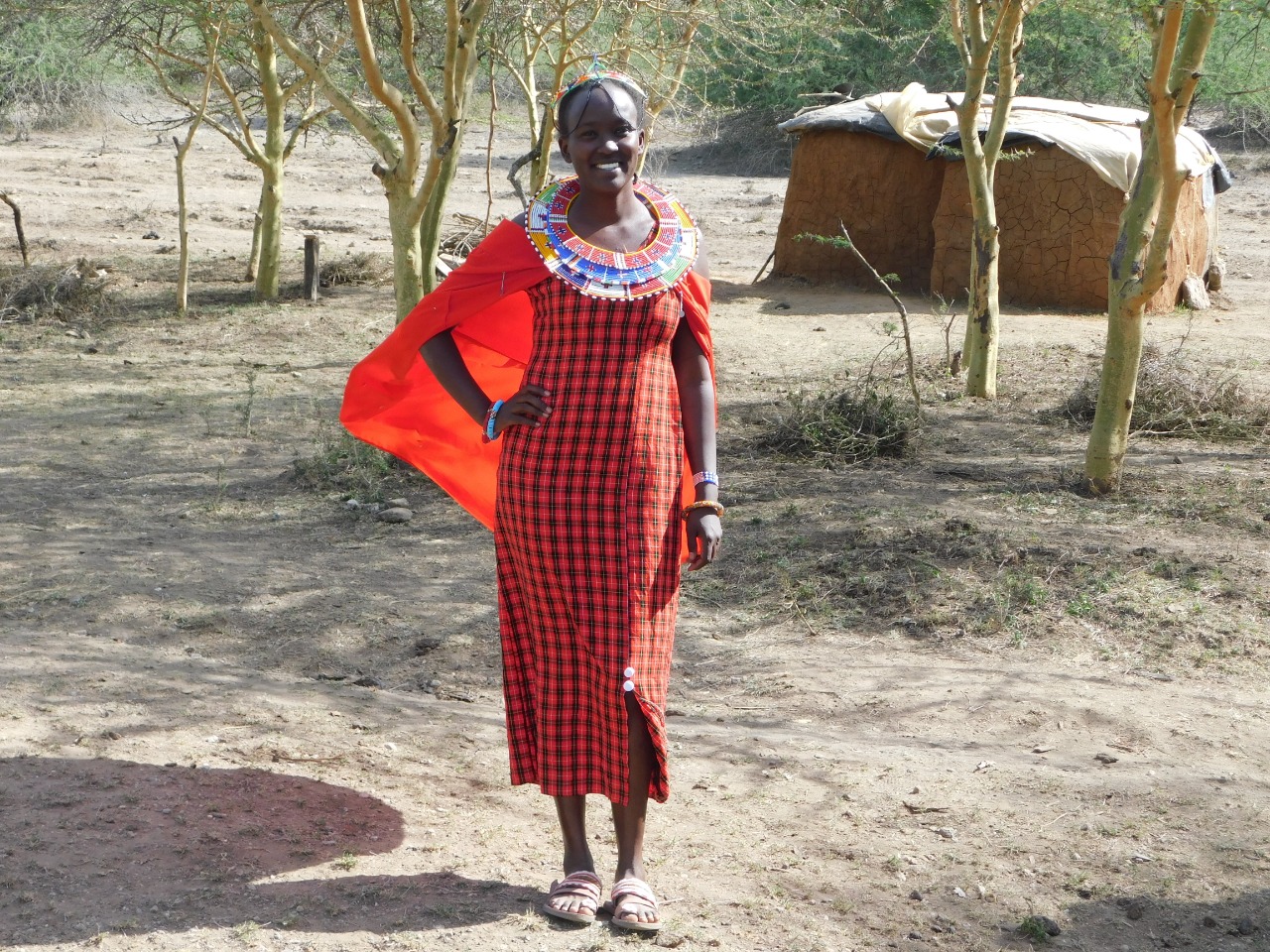
The Manyatta, also known as a Maasai homestead, represents a vital cultural landscape within the Naretunoi ecosystem. Traditionally constructed using natural materials such as mud, sticks, and thatch, manyattas are central to Maasai community life.
Beyond being residential spaces, manyattas reflect a deep connection between people, livestock, and the surrounding environment. Their design supports coexistence with wildlife while preserving cultural identity and traditional knowledge.
Within Naretunoi, manyattas contribute to the broader landscape by integrating human settlement with conservation values. They highlight the role of indigenous communities in maintaining ecological balance and sustaining cultural heritage alongside wildlife.
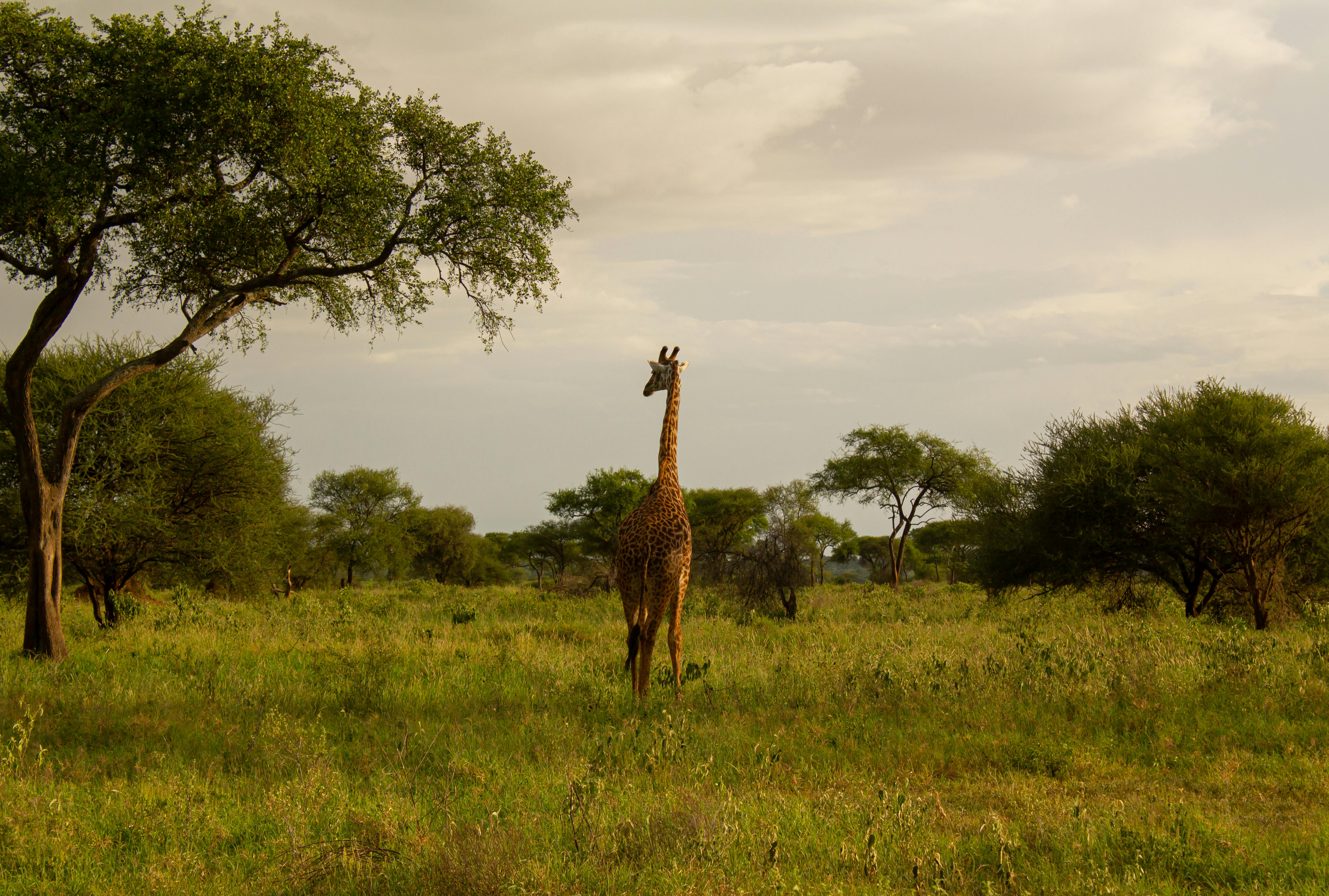
Acacia Savannah Plains
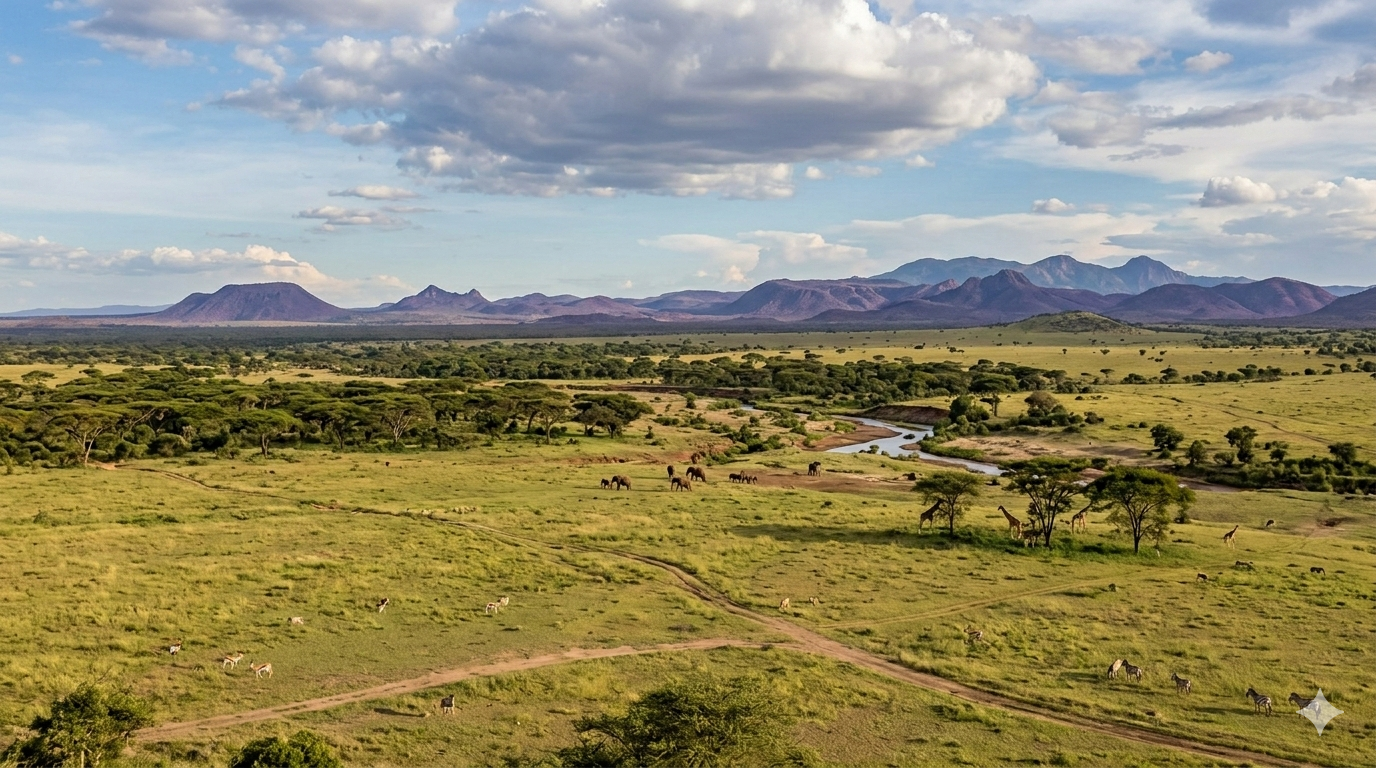
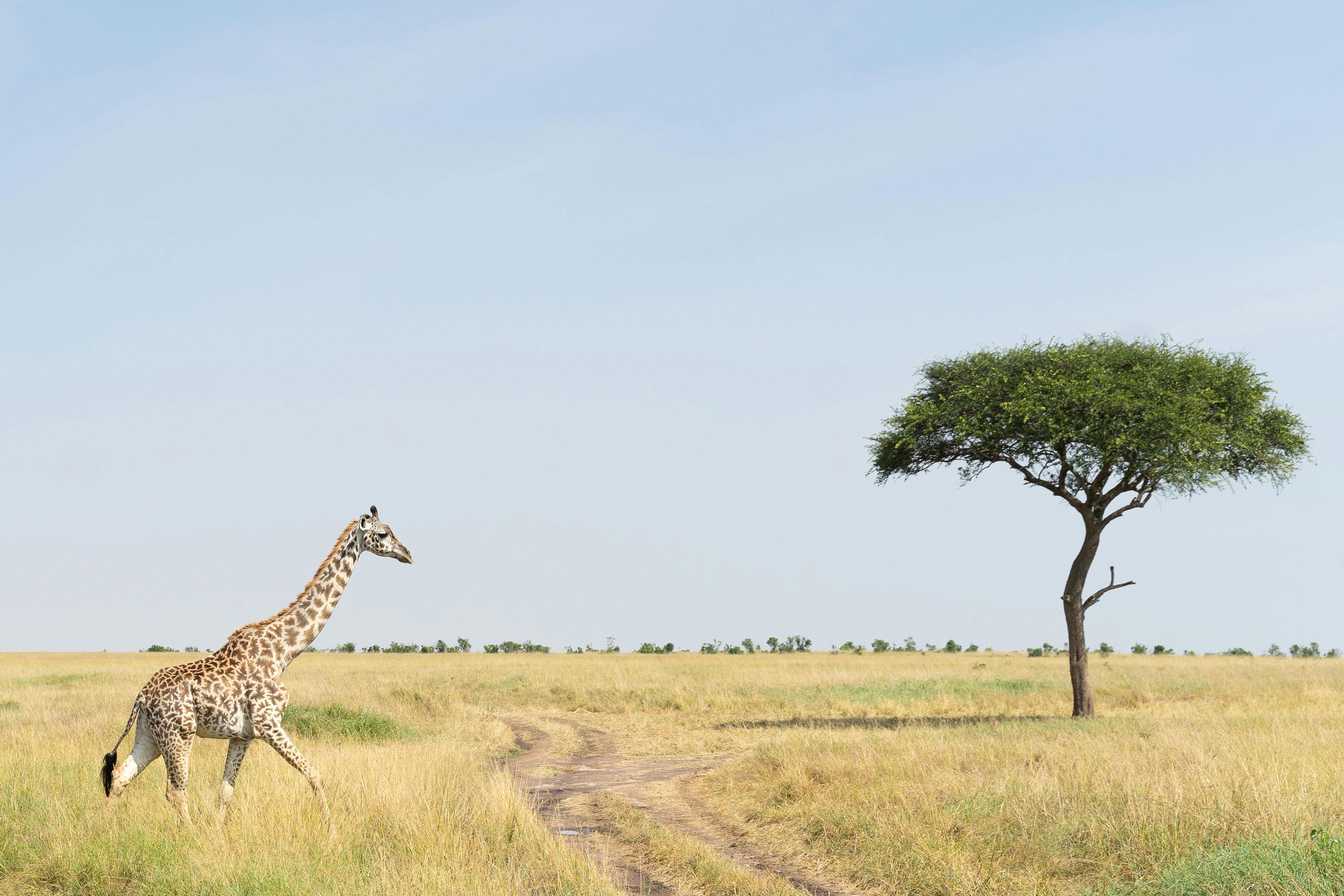
Wide open savannahs dotted with iconic acacia trees form the heart of Naretunoi Conservancy. This expansive landscape stretches across rolling plains, providing a perfect environment for a variety of wildlife and offering visitors an authentic African safari experience.
Key Features
- Vast Grasslands: Open spaces allow large herbivores to roam freely and predators to hunt naturally.
- Iconic Trees: Scattered acacia trees offer shade and vantage points for birds and small mammals.
- Wildlife Richness: Supports zebras, giraffes, elephants, and other iconic African species.
Wildlife Highlights
- Zebras – Commonly seen grazing in herds, contributing to the balance of grassland ecosystems.
- Giraffes – Feeding on acacia leaves, helping maintain tree growth and shape.
Elephants– These gentle giants create pathways through the landscape, supporting biodiversity.- Bird Species – Ideal area for bird watchers, including hornbills, weavers, and raptors.
Activities for Visitors
- Guided Safari Tours: Explore the plains with knowledgeable guides.
- Photography: Capture wildlife and panoramic savannah landscapes.
- Bird Watching: Enjoy the diversity of resident and migratory birds.
Conservation Importance
The Acacia Savannah Plains are vital for:
- Supporting Herbivore Populations: Providing grazing for zebras, giraffes, and antelopes.
- Maintaining Ecosystem Balance: Predators like lions and hyenas depend on this habitat for hunting.
- Community Engagement: Local communities benefit from eco-tourism and conservation initiatives.
Visitor Tips
- Best time to visit: Early morning or late afternoon for wildlife activity.
- Wear neutral-colored clothing to blend into the environment.
- Bring binoculars and cameras to fully experience the wildlife.
Riverine Forests
Naretunoi's riverine forests line the seasonal rivers that traverse the conservancy. These lush, green corridors provide critical shade and fresh water for a wide variety of wildlife, forming a lifeline for the ecosystem. The riverine forests also play a vital role in preventing soil erosion, maintaining water quality, and supporting biodiversity.
Key Features
- Lush Vegetation: Dense forest areas along the rivers, providing natural shelter and microhabitats.
- Water Sources: Seasonal rivers and streams that sustain both flora and fauna.
- Biodiversity Hotspot: Home to monkeys, bushbucks, and numerous bird species.
Wildlife Highlights
- Monkeys – Agile inhabitants of the canopy, including vervet monkeys and colobus monkeys.
- Bushbucks – Elusive forest antelopes that thrive in shaded areas near water.
- Bird Species – Kingfishers, hornbills, and weavers make the forest a paradise for birdwatchers.
- Reptiles and Amphibians – Frogs, lizards, and snakes benefit from the damp environment.
Activities for Visitors
- Guided Nature Walks: Explore the forest floor and riverbanks with knowledgeable guides.
- Bird Watching: Spot and identify resident and migratory bird species.
- Photography: Capture intimate wildlife encounters and scenic forest landscapes.
Conservation Importance
The riverine forests are critical for:
- Wildlife Habitat: Providing shade, water, and protection for numerous species.
- Erosion Control: Roots stabilize soil along riverbanks, preventing landslides and siltation.
- Water Conservation: Maintaining clean, flowing water throughout the conservancy.
- Climate Regulation: Forests act as carbon sinks, contributing to climate mitigation.
Visitor Tips
- Best time to explore: Early morning, when animals are most active.
- Wear sturdy shoes and neutral clothing to navigate forest trails safely.
- Carry water, binoculars, and insect repellent for comfort and observation.
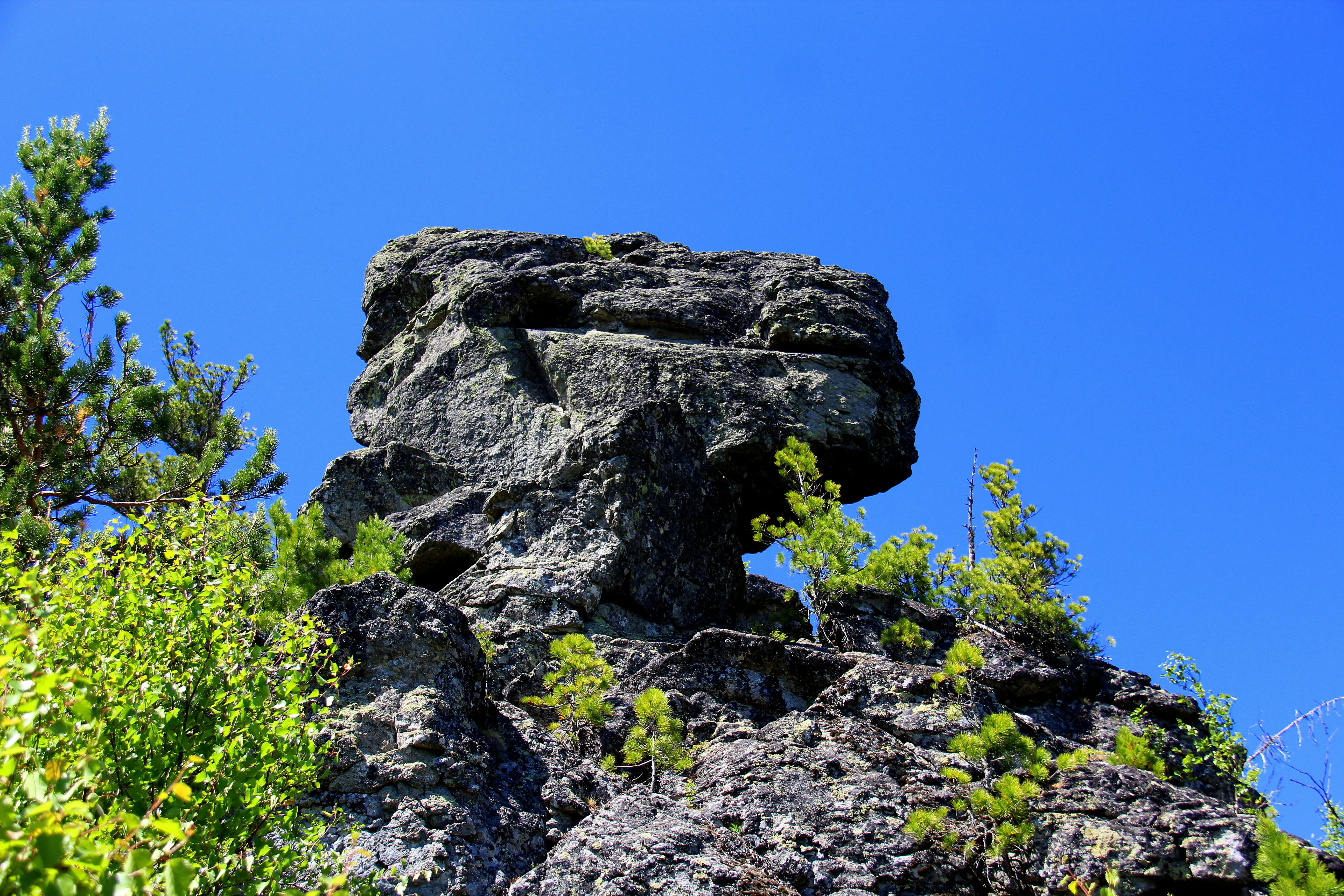
Rocky Outcrops
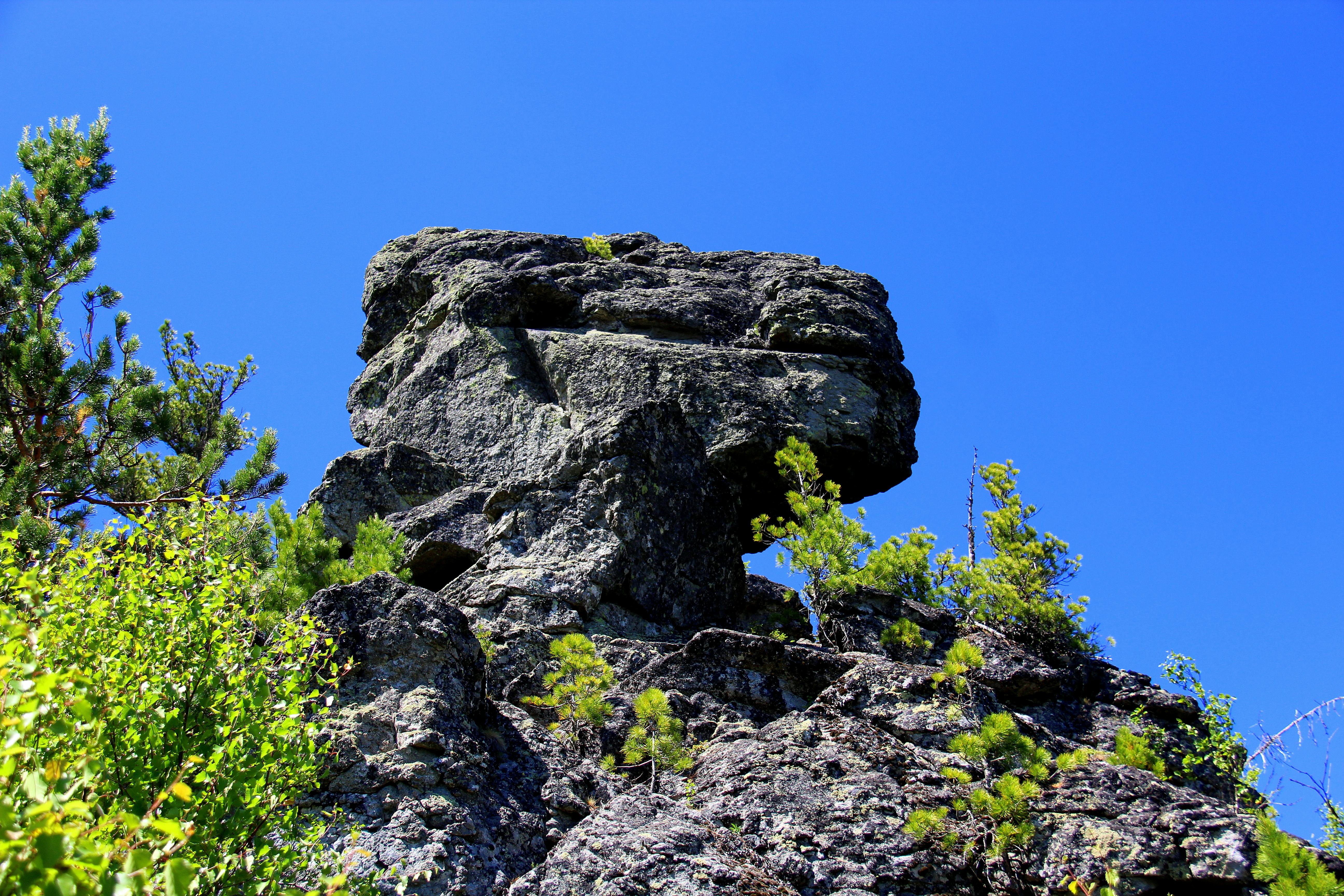
Scattered rocky outcrops punctuate the landscape of Naretunoi Conservancy, creating a striking contrast to the surrounding grasslands and savannahs. These natural formations provide essential shelter for wildlife, including leopards, hyenas, and small mammals, while also offering visitors spectacular viewpoints over the plains.
Key Features
- Natural Shelters: Crevices and caves provide refuge for predators and small mammals.
- Panoramic Views: Elevated rocks give breathtaking vistas of the conservancy, perfect for photography and sightseeing.
- Unique Flora: Hardy shrubs and grasses grow in cracks, adding to the ecosystem’s diversity.
Wildlife Highlights
- Leopards – Secretive predators that use the rocky formations for hunting and resting.
- Hyenas – Often seen near rock bases or caves, contributing to ecosystem balance.
- Small Mammals – Rock hyraxes, mongooses, and other species find shelter in crevices.
- Birds of Prey – Eagles and hawks perch on rock ledges to survey the plains for prey.
Activities for Visitors
- Photography: Capture dramatic landscapes and wildlife interactions.
- Hiking & Exploration: Gentle climbs to scenic viewpoints suitable for all fitness levels.
- Wildlife Observation: Spot elusive predators and enjoy unique ecological features.
Conservation Importance
Rocky outcrops are essential to Naretunoi Conservancy because they:
- Provide Predator Shelters: Safe resting and hunting grounds for leopards and hyenas.
- Support Biodiversity: Crevices, ledges, and microhabitats support small mammals, birds, and reptiles.
- Aid Research & Education: Ideal for ecological studies and visitor learning experiences.
- Promote Eco-tourism: Attract photographers, hikers, and nature enthusiasts, supporting community income.
Visitor Tips
- Visit during early morning or late afternoon for the best light and wildlife sightings.
- Wear sturdy shoes for uneven terrain.
- Bring cameras and binoculars for observing wildlife safely.
Grassland Plains
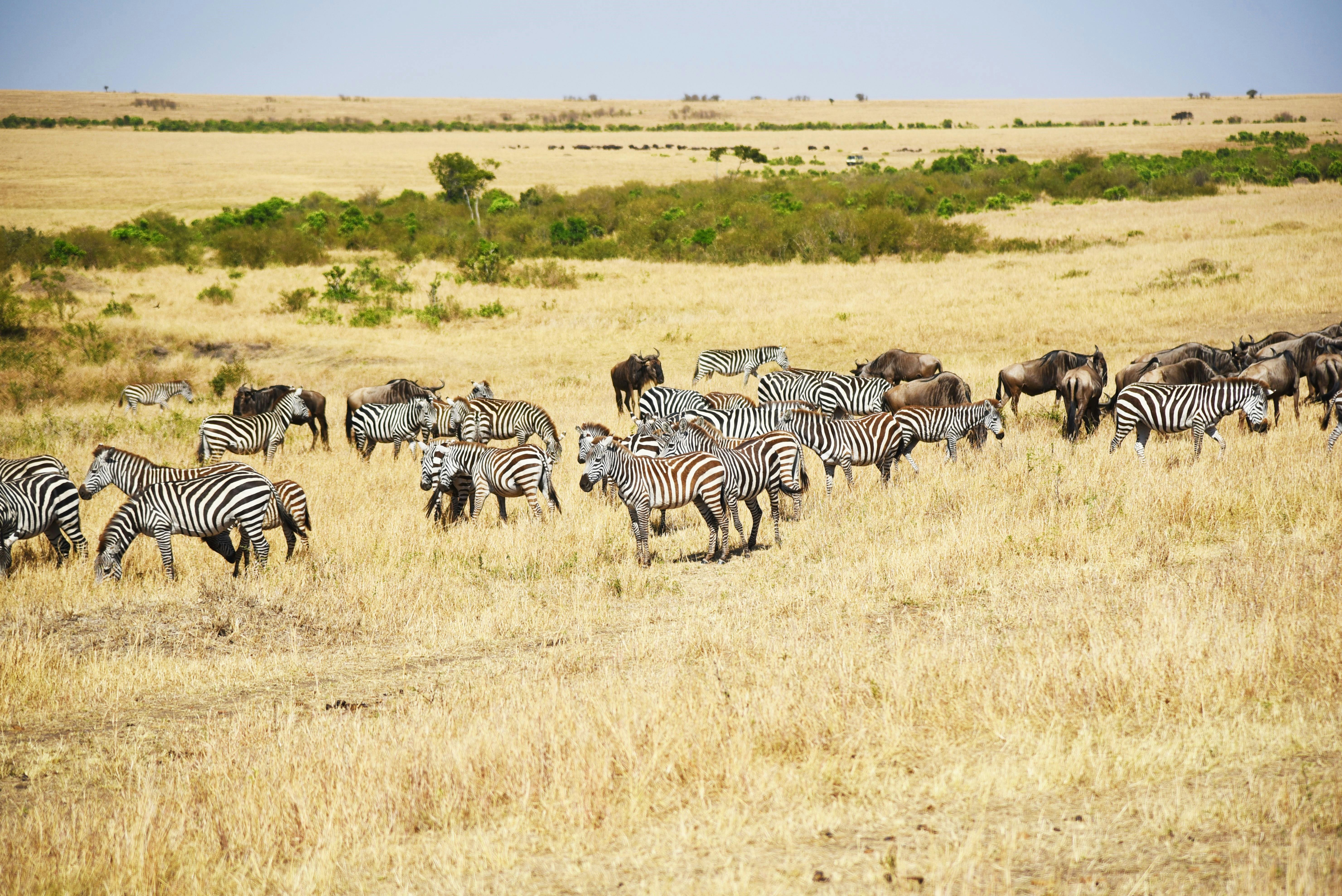
Extensive grassland plains dominate the northern section of Naretunoi Conservancy, forming a vital habitat for grazing herbivores and supporting the ecological balance of the region. These open landscapes allow wildlife to roam freely and create scenic vistas that are ideal for visitors seeking an authentic African safari experience.
Key Features
- Vast Open Spaces: Expansive plains allow animals to graze and predators to roam naturally.
- Grazing Management: Controlled burns and rotational grazing ensure healthy grass growth and prevent overgrazing.
- Scenic Views: The flat, open terrain provides panoramic views of wildlife activity across the conservancy.
Wildlife Highlights
- Thomson's Gazelle – Agile grazers that move in herds across the plains, sustaining predator-prey dynamics.
- Impala – Commonly found grazing in mixed herds, playing a key role in the ecosystem.
- Zebras & Wildebeests – Seasonal movement across grasslands supports biodiversity and soil fertility.
- Predators – Lions and cheetahs are attracted to the plains due to abundant prey.
Activities for Visitors
- Guided Safaris: Explore the grasslands with professional guides to spot grazing herds and predators.
- Wildlife Photography: Perfect environment for capturing dynamic animal interactions and landscapes.
- Bird Watching: Spot ground-dwelling birds like ostriches and secretary birds thriving in open grasslands.
Conservation Importance
Grassland plains are essential because they:
- Support Herbivore Populations: Providing a sustainable grazing habitat for numerous species.
- Maintain Predator-Prey Balance: Open plains allow predators to hunt naturally, sustaining ecological balance.
- Promote Ecosystem Health: Controlled burns prevent bush encroachment and encourage nutrient-rich grass growth.
- Boost Eco-tourism: The vast plains attract visitors, supporting local communities through tourism revenue.
Visitor Tips
- Best time to visit: Early morning or late afternoon when wildlife is most active.
- Wear neutral-colored clothing to blend into the environment.
- Carry binoculars, cameras, and water to fully enjoy the safari experience.
Wetland Marshes
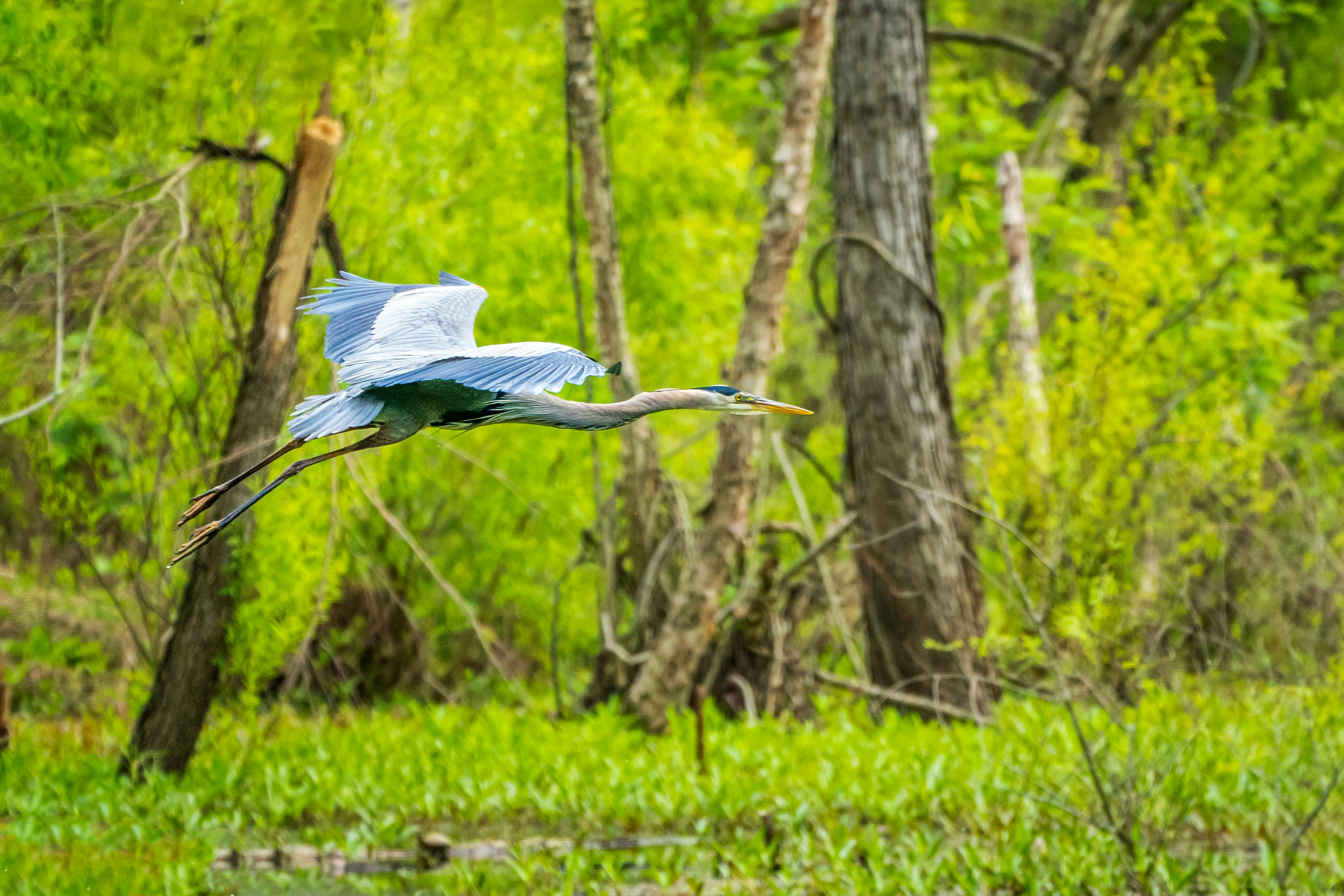
Seasonal wetlands and marshes within Naretunoi Conservancy are vital ecosystems that attract a wide variety of wildlife. These areas act as natural water reservoirs, replenishing groundwater and providing essential drinking water for larger mammals. The marshes are also critical stopovers for migratory birds and breeding grounds for amphibians and insects.
Key Features
- Seasonal Wetlands: Flooded during rainy seasons, creating temporary habitats for aquatic species.
- Groundwater Recharge: Marshes help maintain water tables and supply clean water for wildlife and vegetation.
- Biodiversity Hotspot: Supports migratory birds, amphibians, insects, and resident mammals.
Wildlife Highlights
- Migratory Birds – Include species such as storks, herons, and sandpipers that use the marshes as feeding grounds.
- Amphibians – Frogs and toads thrive in the wetland pools, supporting predator species.
- Insects – Dragonflies, damselflies, and other insects provide a crucial food source for birds and amphibians.
- Mammals – Elephants, antelopes, and zebras rely on marsh water during dry periods.
Activities for Visitors
- Bird Watching: Ideal for observing both resident and migratory species in their natural habitat.
- Photography: Capture reflections, bird flights, and unique wetland ecosystems.
- Eco-Tours: Guided tours explain the ecological importance of wetlands in conservation.
Conservation Importance
Wetland marshes are essential for:
- Water Security: Provide water for wildlife and surrounding vegetation during dry periods.
- Biodiversity Support: Serve as breeding and feeding grounds for a wide range of species.
- Flood Control: Natural marshes absorb excess rainwater, reducing erosion and flooding.
- Education & Research: Offer opportunities for ecological studies and visitor learning experiences.
Visitor Tips
- Best visiting times: Early morning or late afternoon for bird activity.
- Wear waterproof boots if exploring near marshes.
- Carry binoculars, cameras, and insect repellent.
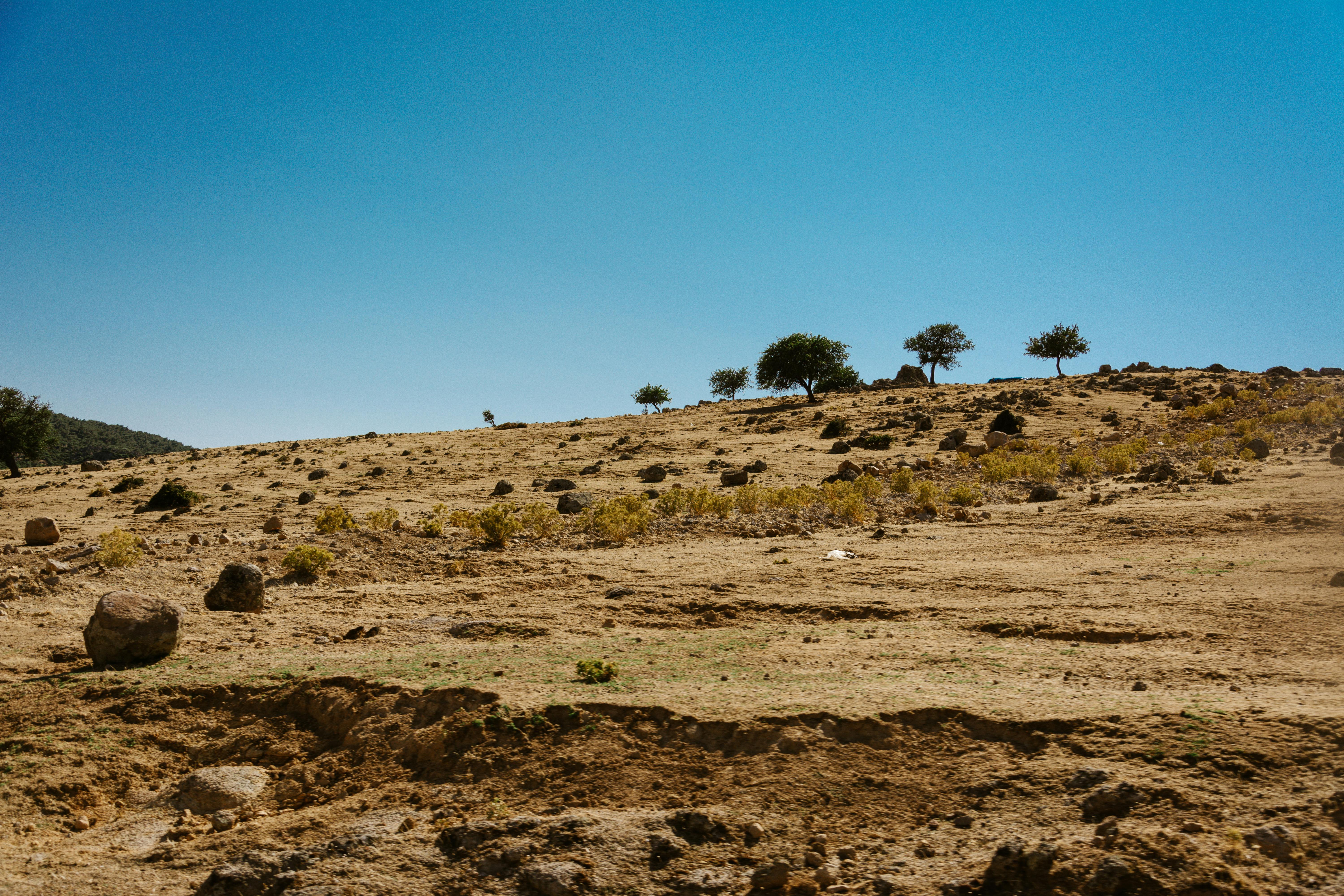
Hilltop Woodlands
Small hilltop woodlands within Naretunoi Conservancy provide a unique mix of indigenous trees and shrubs. These elevated areas serve as critical habitats for birds, small mammals, and herbivores, while also offering panoramic lookout points for rangers monitoring wildlife. The woodlands contribute significantly to the biodiversity and ecological stability of the conservancy.
Key Features
- Indigenous Vegetation: Mixture of trees, shrubs, and grasses native to the region.
- Nesting Sites: Ideal for birds, including raptors and small forest species.
- Elevated Lookouts: Hilltops provide vantage points for wildlife observation and ranger patrols.
Wildlife Highlights
- Birds – Woodlands host a variety of nesting birds, including hornbills, shrikes, and doves.
- Herbivores – Species such as bushbucks and duikers find shade and forage among the trees.
- Small Mammals – Squirrels, mongooses, and other small mammals use woodland cover for shelter.
- Insects & Pollinators – Native flowering shrubs support bees, butterflies, and other pollinators.
Activities for Visitors
- Nature Walks: Explore hilltop trails and discover the diversity of plant and animal life.
- Bird Watching: Excellent vantage points for spotting birds in their natural habitat.
- Photography: Capture unique wildlife interactions and panoramic woodland landscapes.
Conservation Importance
Hilltop woodlands are critical because they:
- Support Biodiversity: Provide habitats for birds, mammals, and pollinators.
- Enhance Ecosystem Stability: Prevent soil erosion on hilltops and contribute to watershed health.
- Aid Ranger Monitoring: Elevated vantage points help rangers observe wildlife and track movement patterns.
- Promote Eco-tourism: Scenic viewpoints and rich biodiversity attract visitors, benefiting local communities.
Visitor Tips
- Best time to visit: Early morning or late afternoon when wildlife is active.
- Wear comfortable shoes suitable for hilltop terrain.
- Bring binoculars and cameras to fully enjoy wildlife and scenic views.
Preserved for Eternity
Every landscape featured here is part of our active conservation program. Through community land leases and sustainable management, we ensure these vistas remain wild and open for the generations yet to come.