Published April 16, 2026 • 198 Views
Paradiso: The Lost Wildlife Haven of Naretunoi
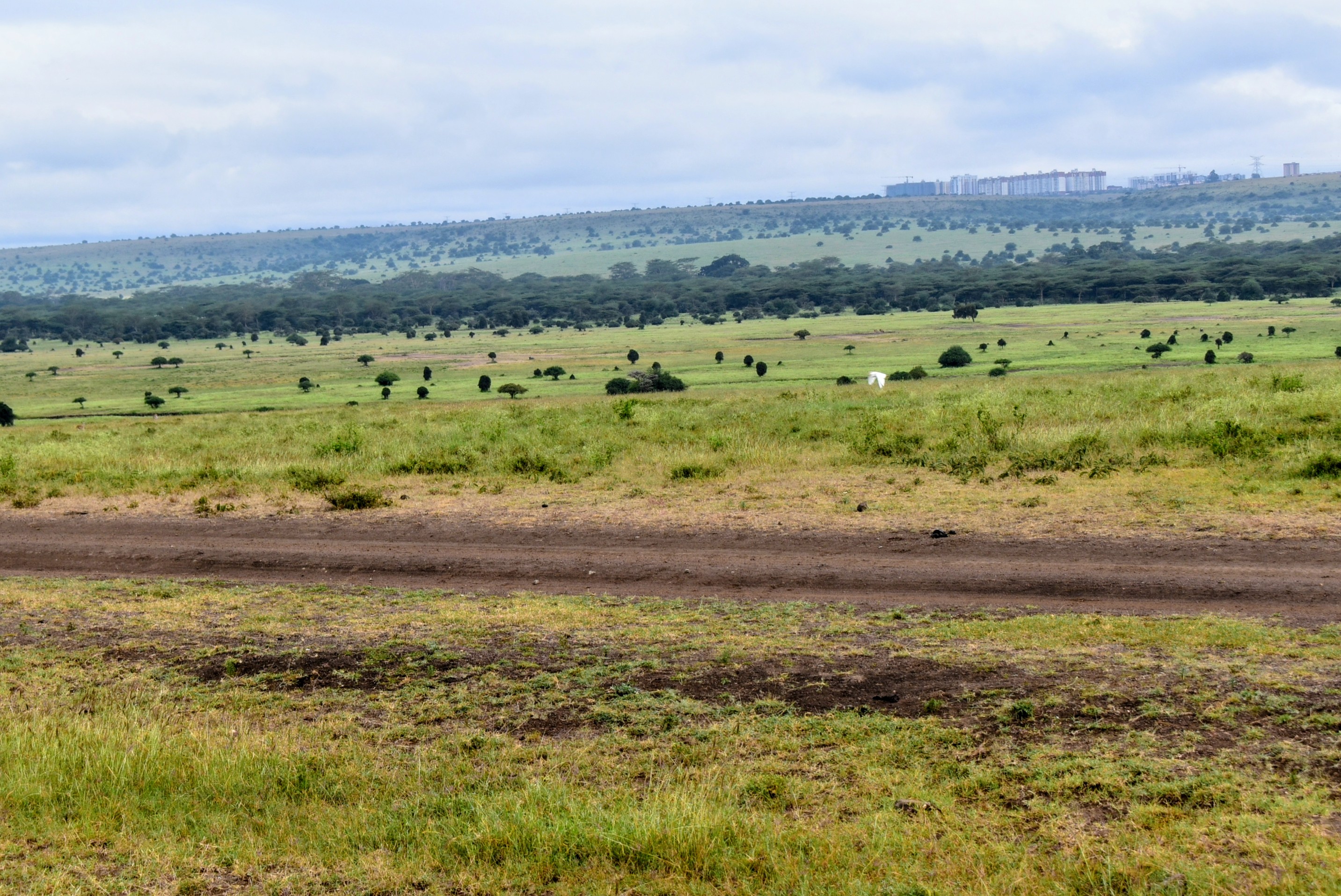
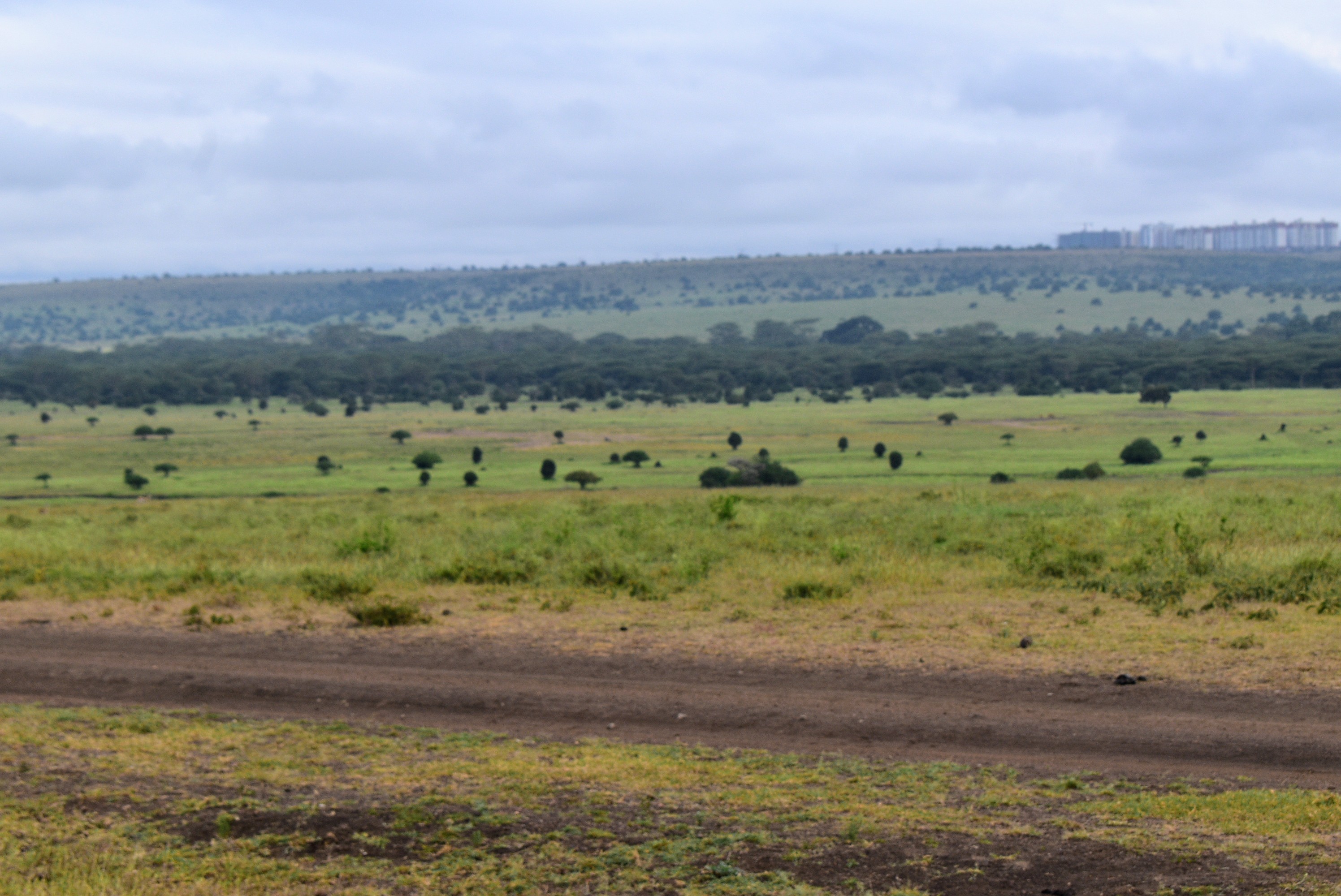
In the northern stretch of Naretunoi Conservancy, bordering Nairobi National Park, lies a place many still remember with deep emotion — Paradiso. Known for its breathtaking beauty, the name “Paradiso” was adopted over time, evolving from “Paradise,” as the Maasai community found it easier to pronounce. True to its name, the area was once a thriving haven for wildlife and a cherished landscape for the community.
Between the early 2000s and around 2007, Paradiso was rich with life. Cheetahs roamed the open grasslands, buffalo grazed freely, and herds of antelope and gazelles moved across the plains. It was not uncommon for families to visit the area, especially on weekends, to witness the beauty of nature firsthand. For many, these moments created lasting memories — a connection between people, land, and wildlife.
“I remember coming here often with my father just to watch the animals,” recalls a community member. “It was full of life.”
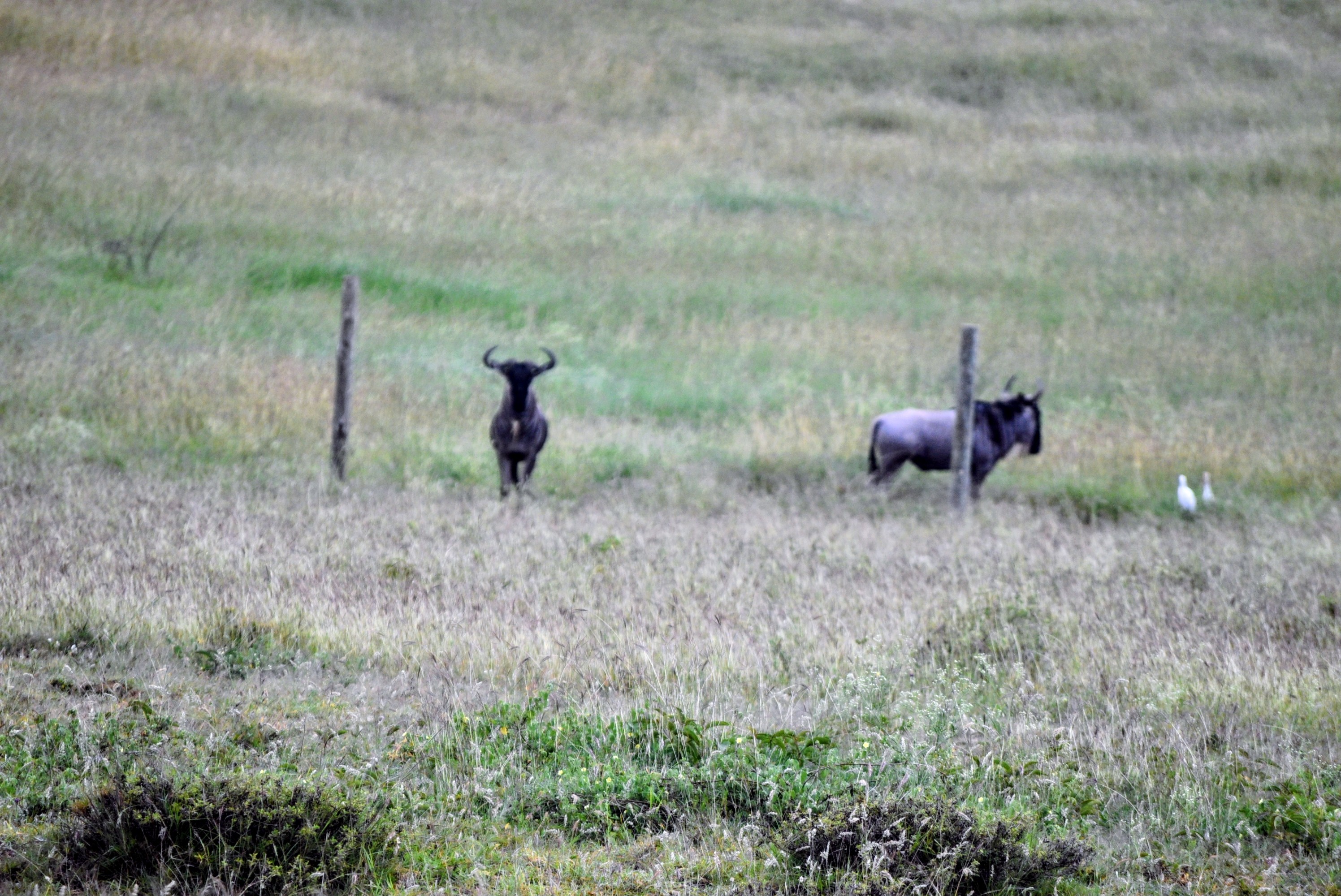
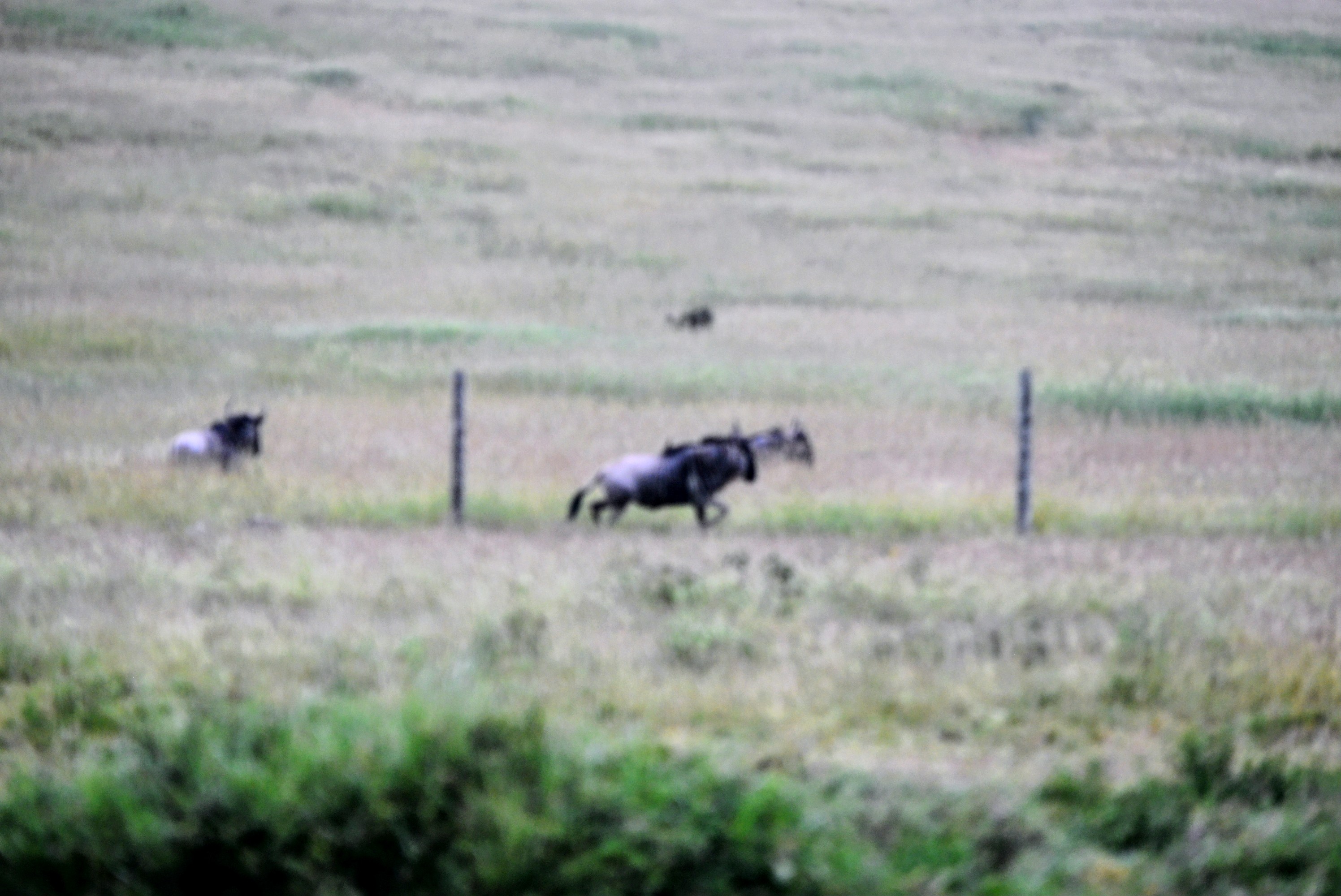
Perhaps most remarkable was the seasonal movement of wildebeest. Much like the famous Serengeti migration, herds would gather and settle in Paradiso before moving on, using the area as a natural resting point. This made it not only a beautiful landscape but also an important ecological space.
However, over time, this vibrant ecosystem began to change. Around 2007, wildlife sightings started to decline. Today, animals such as cheetahs and buffalo are rarely seen in the area, with most now found within Nairobi National Park or only occasionally spotted during early mornings or late afternoons.
Several factors have contributed to this shift. Increased human settlement, growing grazing pressure, and the expansion of fencing have gradually reduced the space available for wildlife. While there has been no indication of poaching or direct conflict with livestock owners, the changing use of land has significantly impacted natural wildlife movement and habitat.
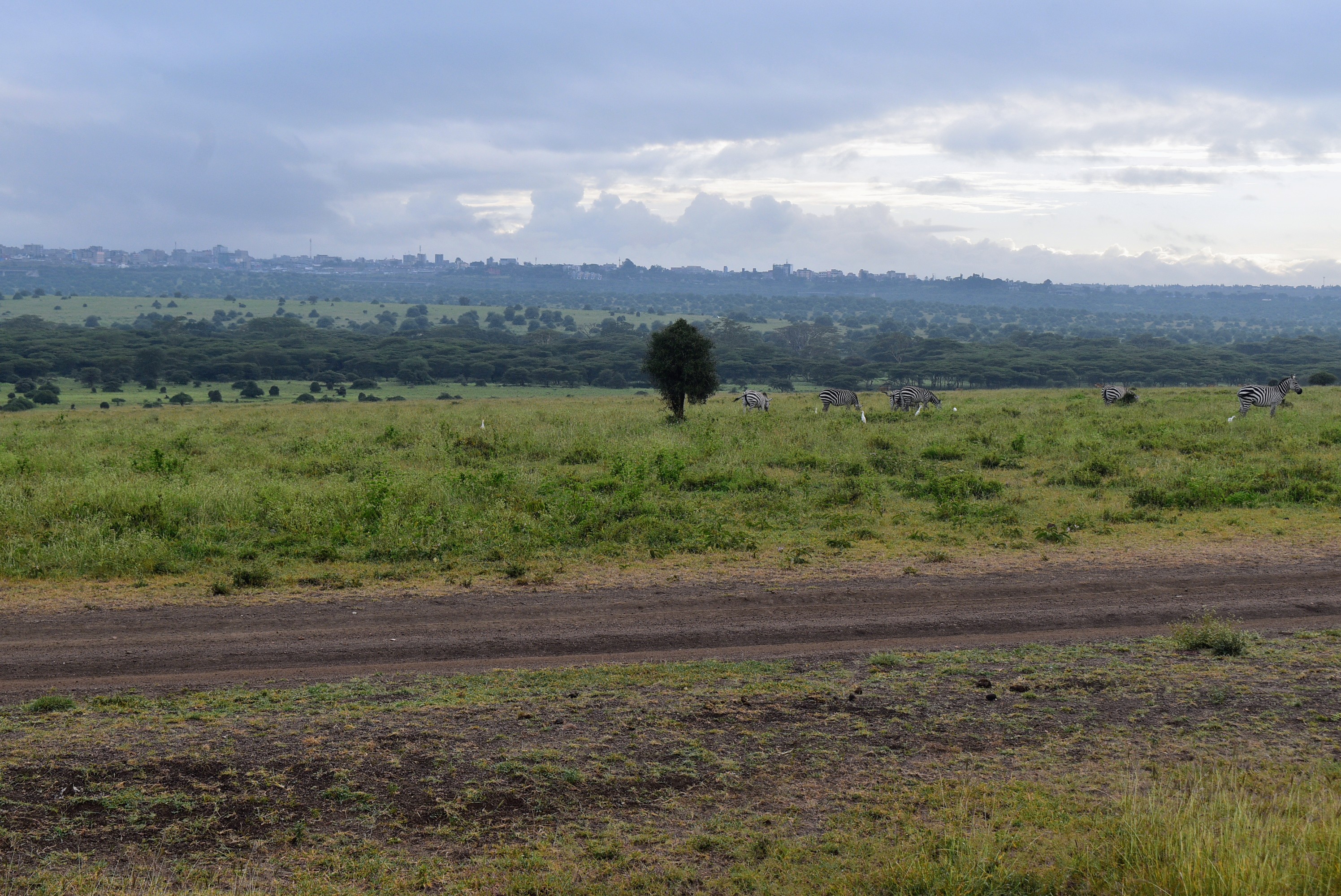
Today, Paradiso still holds life — though quieter. Gazelles, antelope, zebras, and wildebeest remain common, alongside a rich diversity of birdlife associated with Nairobi National Park. Occasionally, even black rhinos are sighted in the broader area. The land continues to serve multiple purposes, including grazing, tourism, and conservation.
The area is community land, partially managed and supported through conservation awareness and digital storytelling initiatives led by Naretunoi Conservancy. Efforts continue to highlight the importance of preserving such landscapes, not only for wildlife but also for future generations.
Yet, new challenges are emerging. Encroachment and land subdivision in nearby areas are increasing pressure on already limited grazing and wildlife space. As the land continues to change, questions arise about how much of Paradiso can be preserved.
This story is not just about loss — it is about memory, identity, and possibility. Paradiso remains a symbol of what once was, and what could still be protected.
As Naretunoi grows as a conservation and community platform, the hope is to restore balance — where wildlife and people can once again share the land, and where places like Paradiso can live up to their name once more.