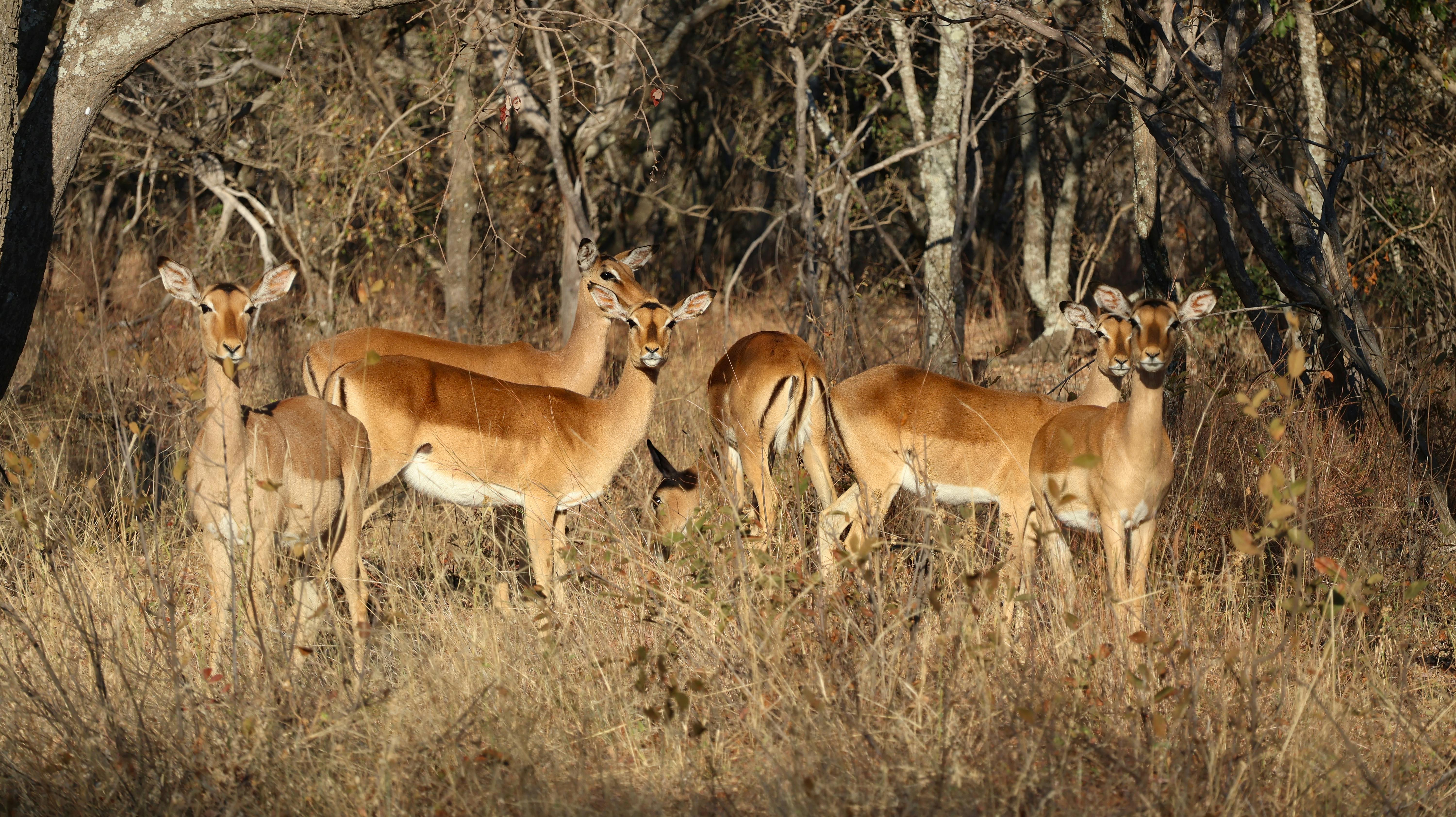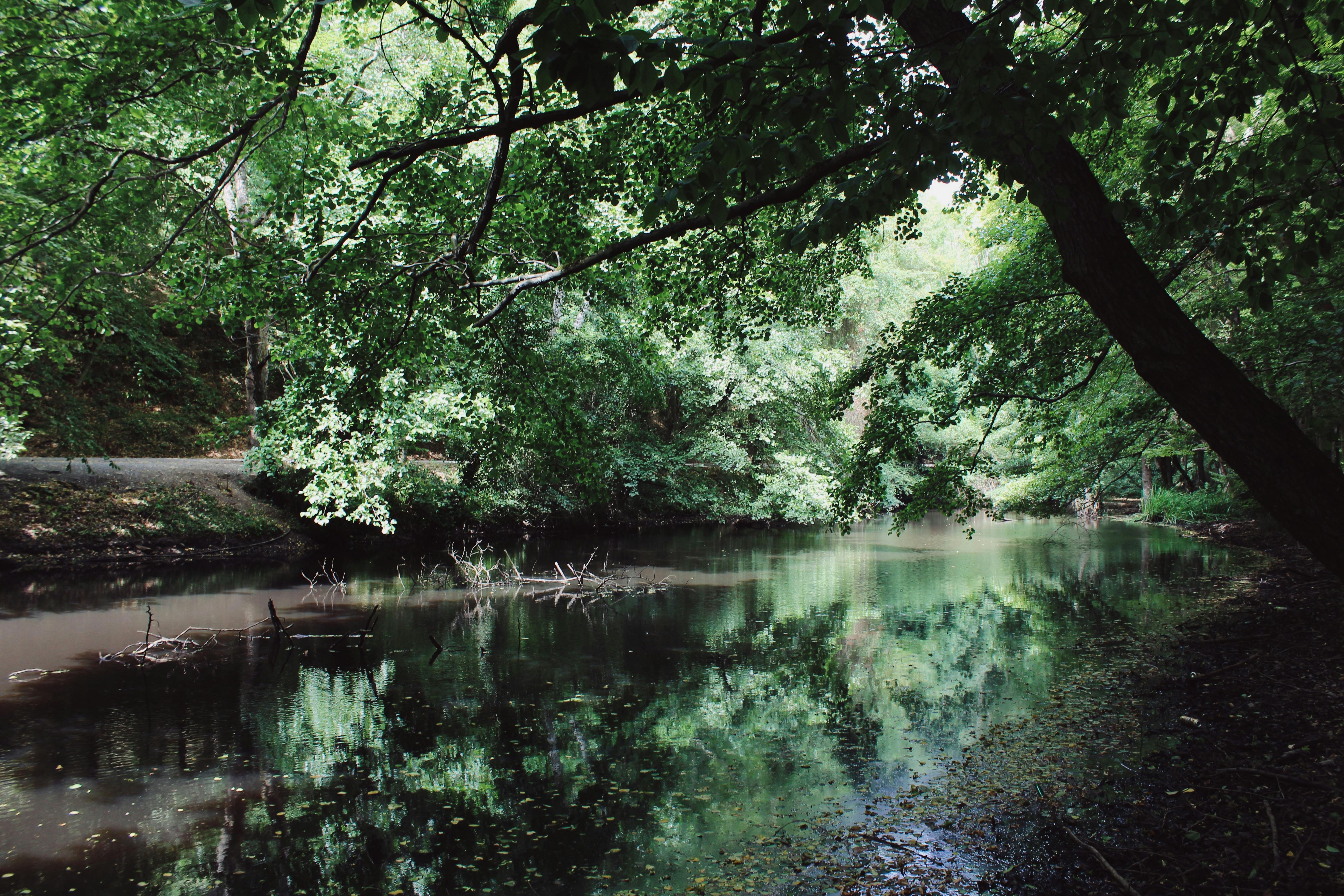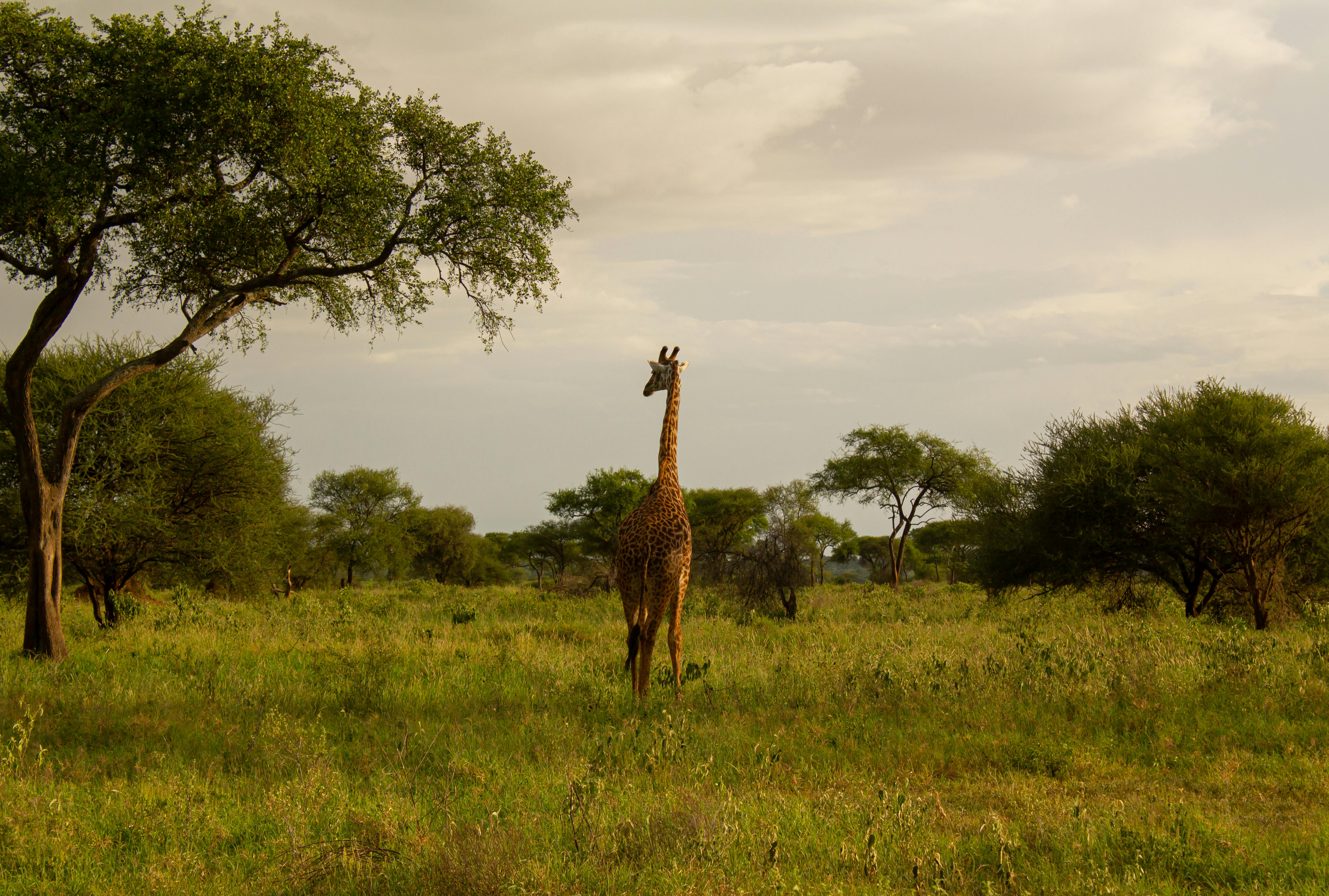
Naretunoi's riverine forests line the seasonal rivers that traverse the conservancy. These lush, green corridors provide critical shade and fresh water for a wide variety of wildlife, forming a lifeline for the ecosystem. The riverine forests also play a vital role in preventing soil erosion, maintaining water quality, and supporting biodiversity.
Key Features
- Lush Vegetation: Dense forest areas along the rivers, providing natural shelter and microhabitats.
- Water Sources: Seasonal rivers and streams that sustain both flora and fauna.
- Biodiversity Hotspot: Home to monkeys, bushbucks, and numerous bird species.
Wildlife Highlights
- Monkeys – Agile inhabitants of the canopy, including vervet monkeys and colobus monkeys.
- Bushbucks – Elusive forest antelopes that thrive in shaded areas near water.
- Bird Species – Kingfishers, hornbills, and weavers make the forest a paradise for birdwatchers.
- Reptiles and Amphibians – Frogs, lizards, and snakes benefit from the damp environment.
Activities for Visitors
- Guided Nature Walks: Explore the forest floor and riverbanks with knowledgeable guides.
- Bird Watching: Spot and identify resident and migratory bird species.
- Photography: Capture intimate wildlife encounters and scenic forest landscapes.
Conservation Importance
The riverine forests are critical for:
- Wildlife Habitat: Providing shade, water, and protection for numerous species.
- Erosion Control: Roots stabilize soil along riverbanks, preventing landslides and siltation.
- Water Conservation: Maintaining clean, flowing water throughout the conservancy.
- Climate Regulation: Forests act as carbon sinks, contributing to climate mitigation.
Visitor Tips
- Best time to explore: Early morning, when animals are most active.
- Wear sturdy shoes and neutral clothing to navigate forest trails safely.
- Carry water, binoculars, and insect repellent for comfort and observation.