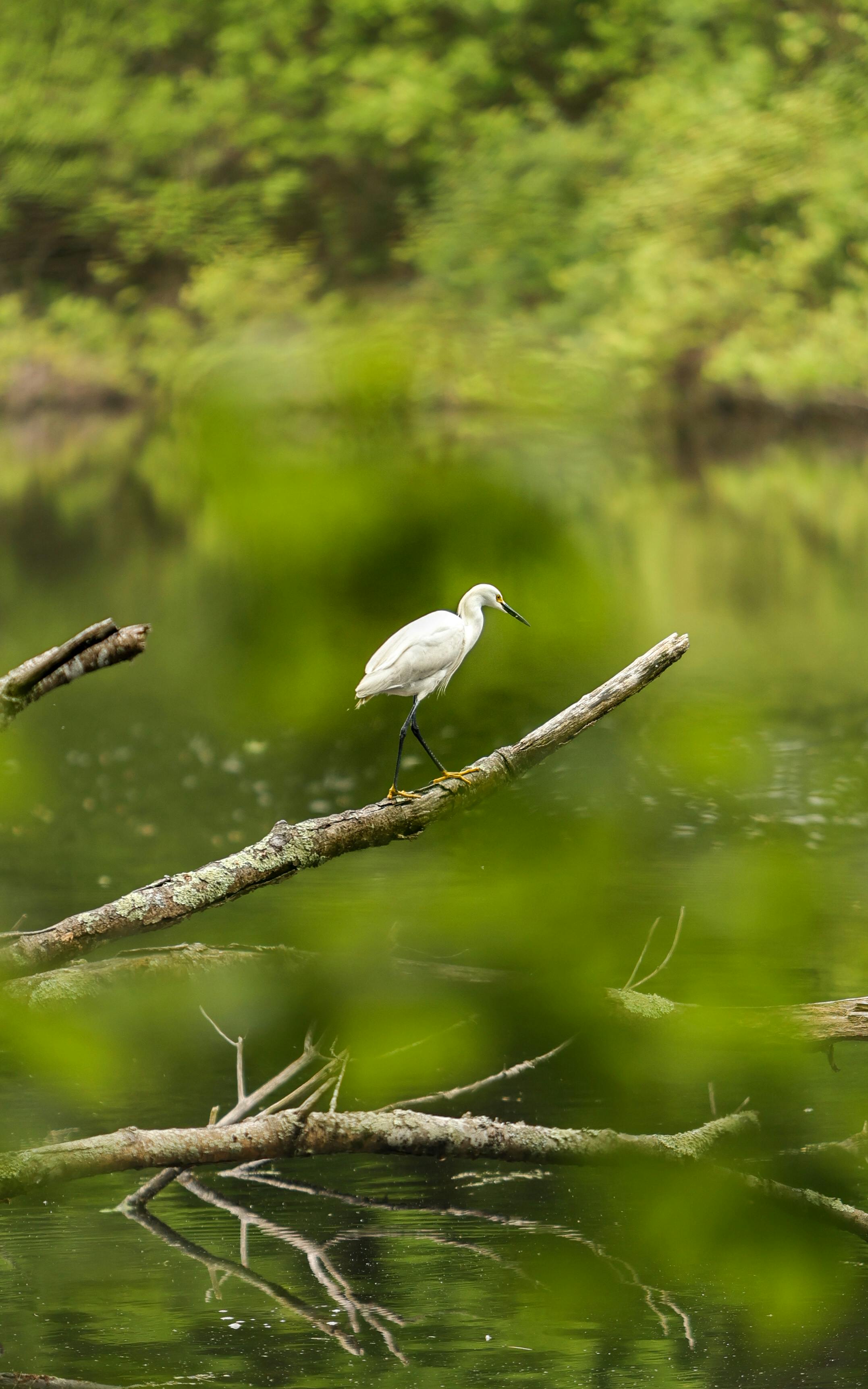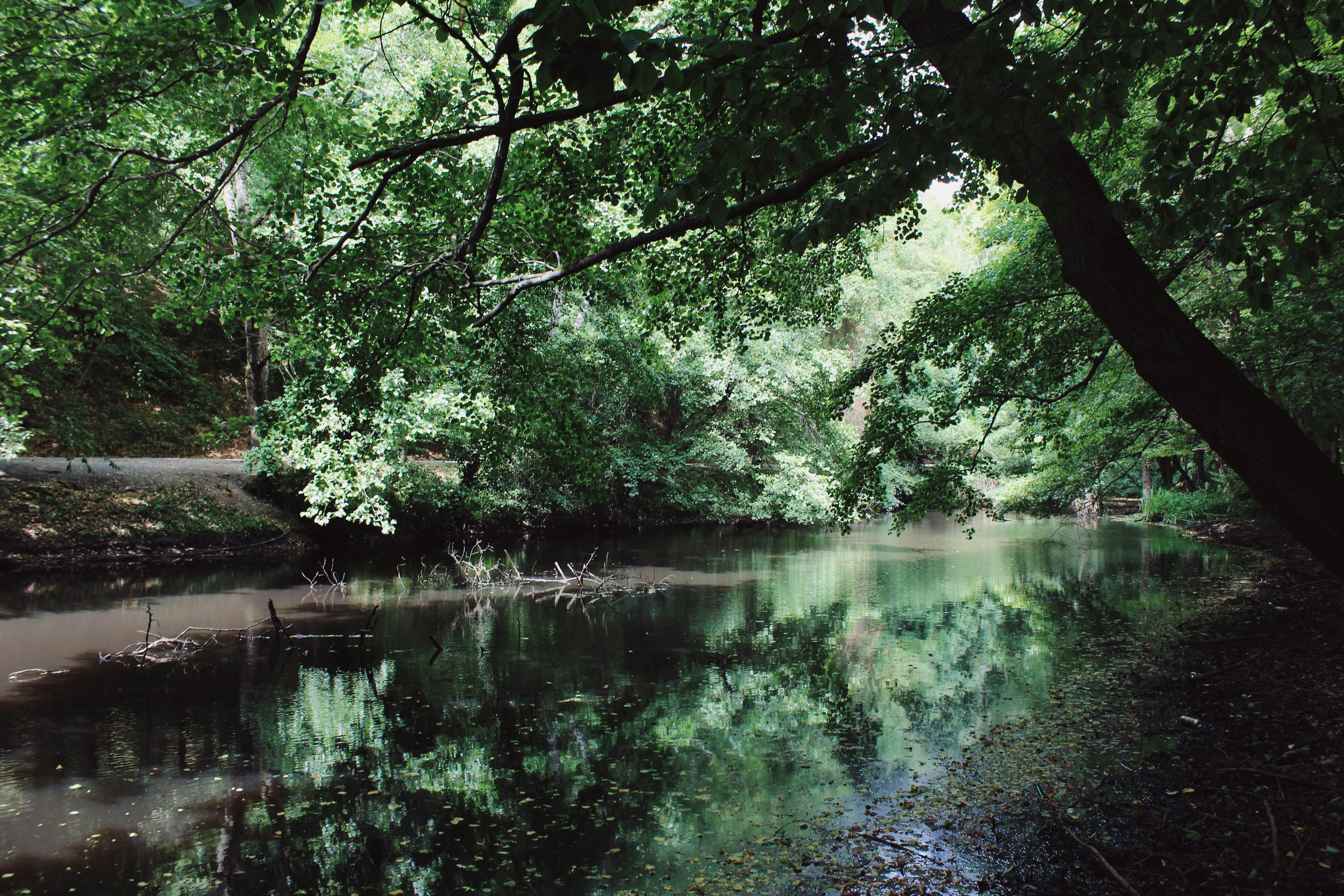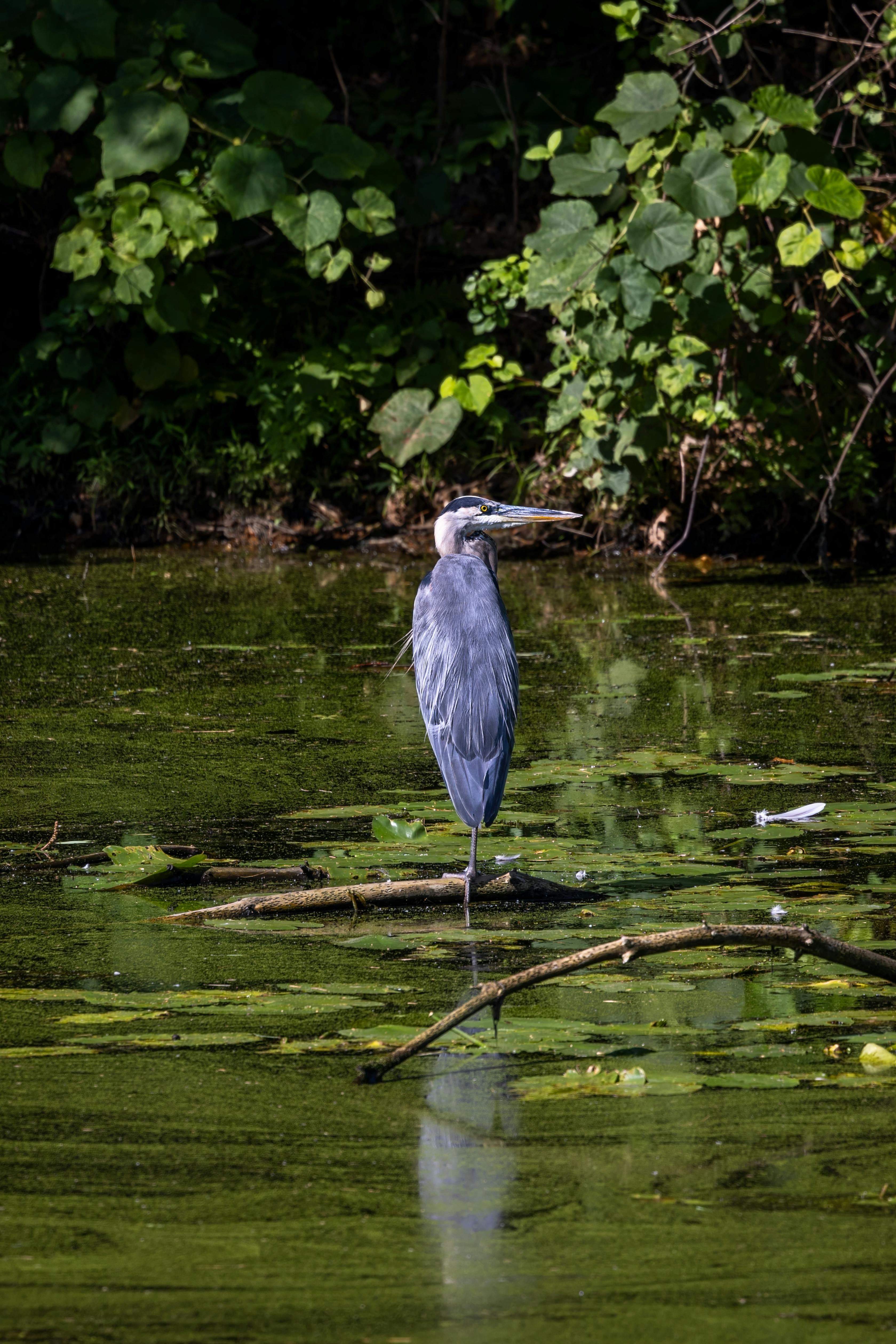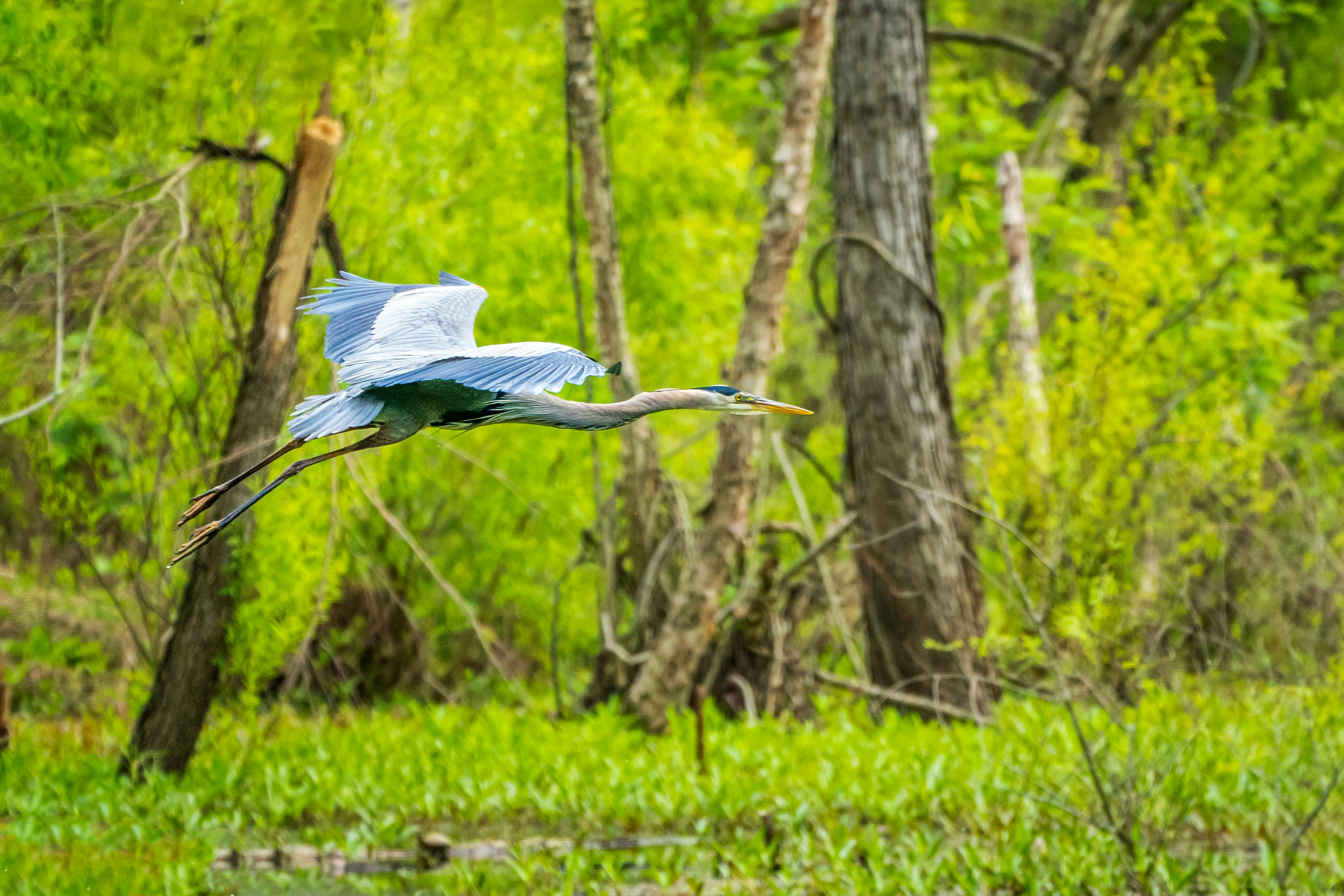
Seasonal wetlands and marshes within Naretunoi Conservancy are vital ecosystems that attract a wide variety of wildlife. These areas act as natural water reservoirs, replenishing groundwater and providing essential drinking water for larger mammals. The marshes are also critical stopovers for migratory birds and breeding grounds for amphibians and insects.
Key Features
- Seasonal Wetlands: Flooded during rainy seasons, creating temporary habitats for aquatic species.
- Groundwater Recharge: Marshes help maintain water tables and supply clean water for wildlife and vegetation.
- Biodiversity Hotspot: Supports migratory birds, amphibians, insects, and resident mammals.
Wildlife Highlights
- Migratory Birds – Include species such as storks, herons, and sandpipers that use the marshes as feeding grounds.
- Amphibians – Frogs and toads thrive in the wetland pools, supporting predator species.
- Insects – Dragonflies, damselflies, and other insects provide a crucial food source for birds and amphibians.
- Mammals – Elephants, antelopes, and zebras rely on marsh water during dry periods.
Activities for Visitors
- Bird Watching: Ideal for observing both resident and migratory species in their natural habitat.
- Photography: Capture reflections, bird flights, and unique wetland ecosystems.
- Eco-Tours: Guided tours explain the ecological importance of wetlands in conservation.
Conservation Importance
Wetland marshes are essential for:
- Water Security: Provide water for wildlife and surrounding vegetation during dry periods.
- Biodiversity Support: Serve as breeding and feeding grounds for a wide range of species.
- Flood Control: Natural marshes absorb excess rainwater, reducing erosion and flooding.
- Education & Research: Offer opportunities for ecological studies and visitor learning experiences.
Visitor Tips
- Best visiting times: Early morning or late afternoon for bird activity.
- Wear waterproof boots if exploring near marshes.
- Carry binoculars, cameras, and insect repellent.