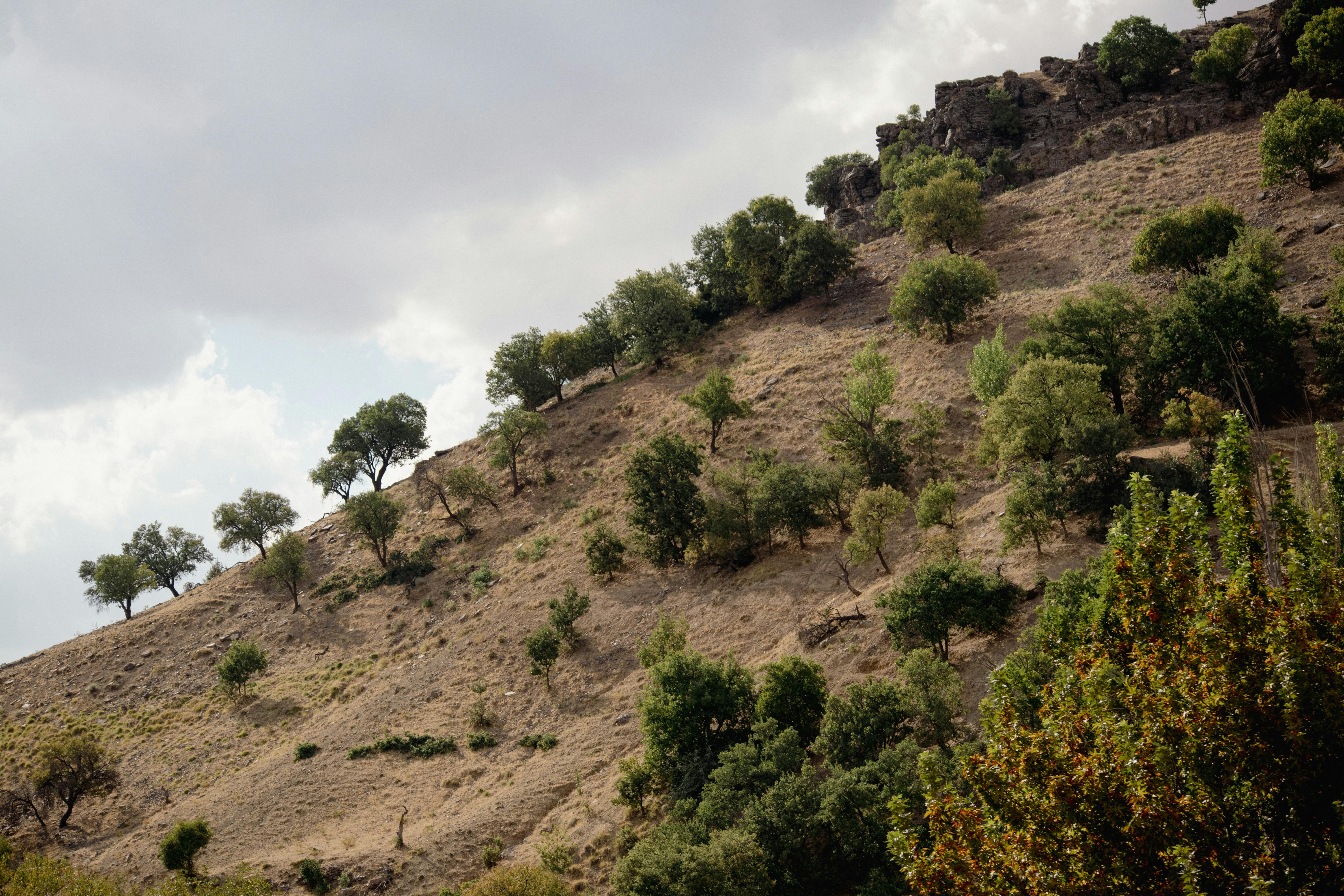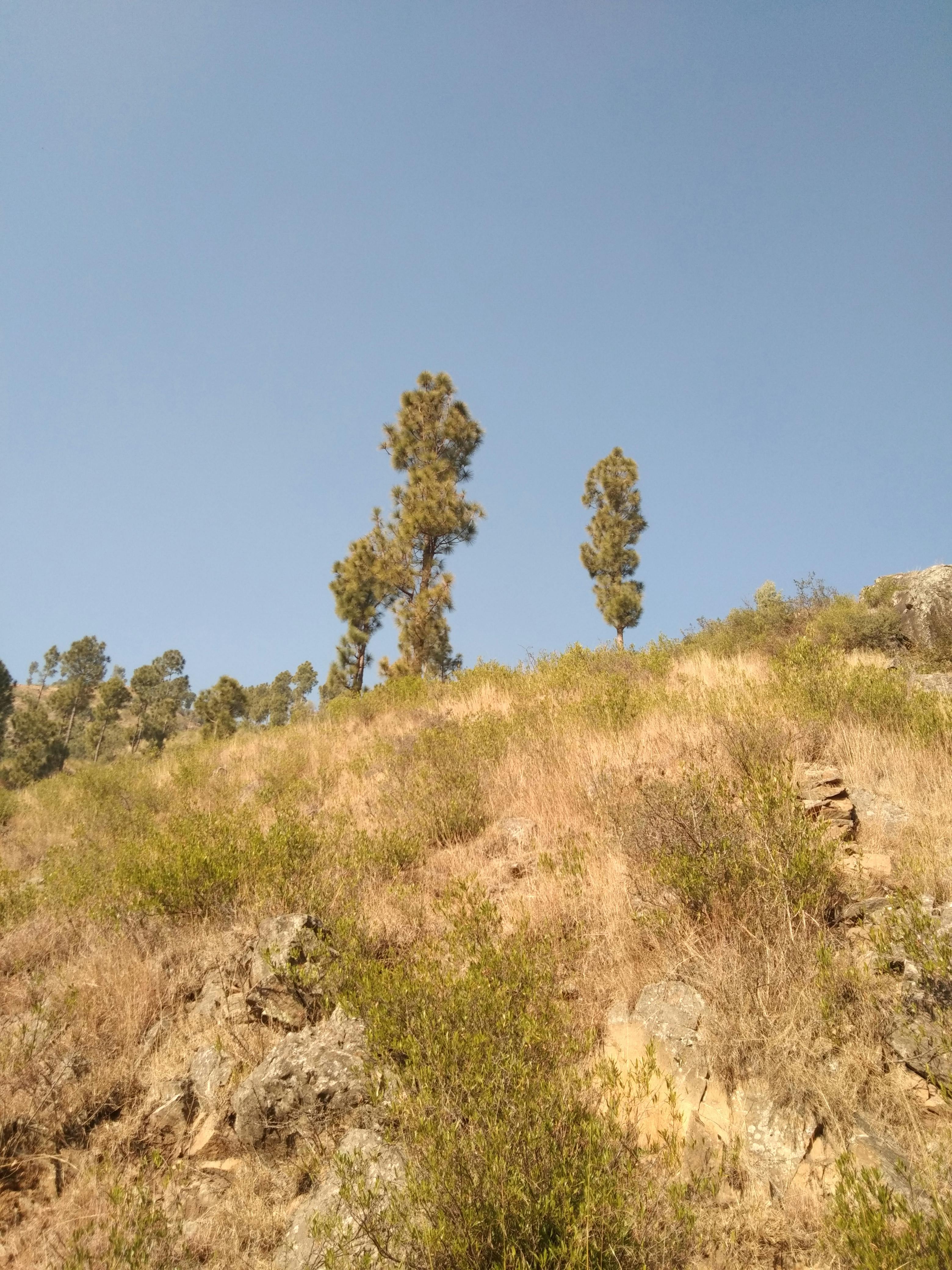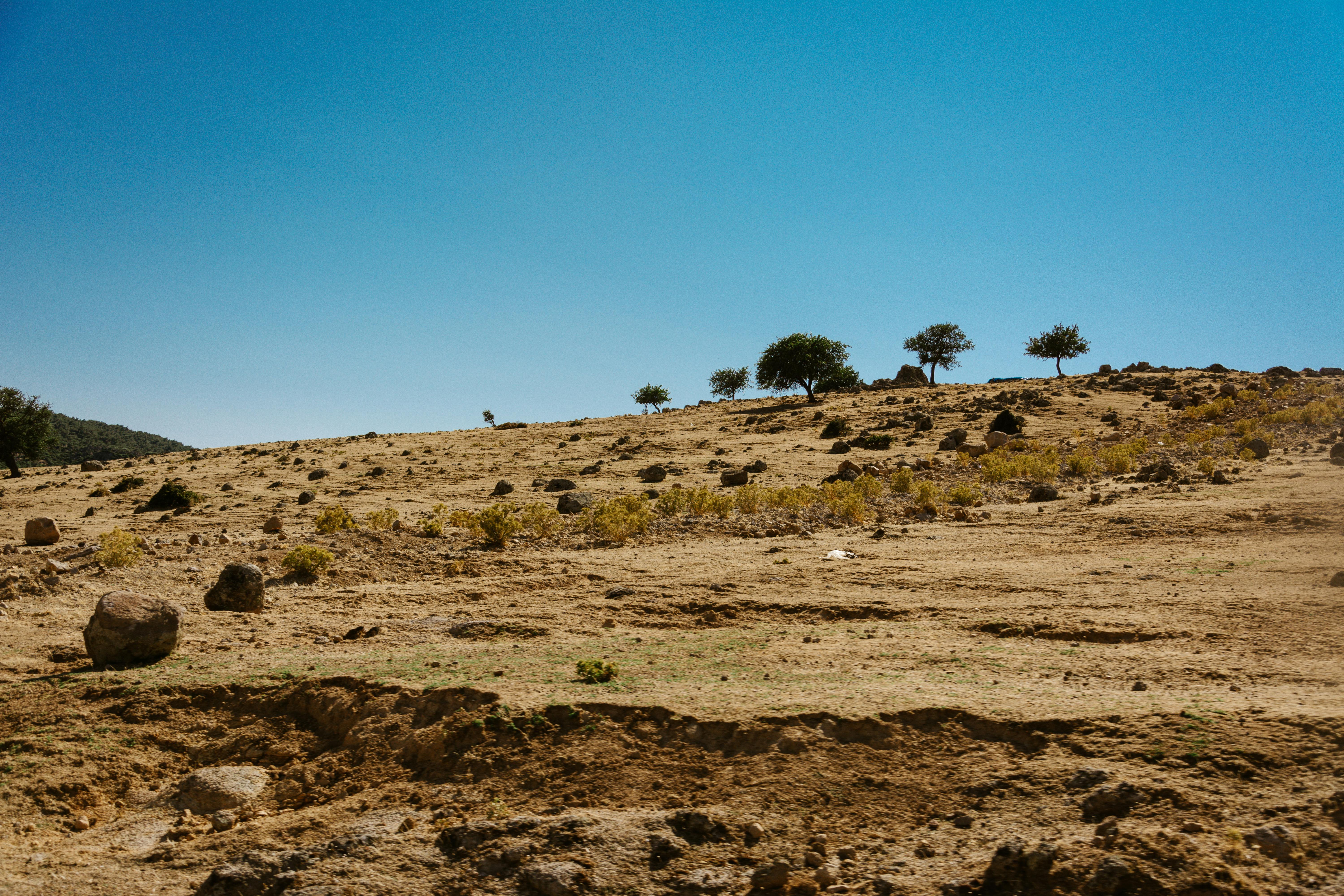
Small hilltop woodlands within Naretunoi Conservancy provide a unique mix of indigenous trees and shrubs. These elevated areas serve as critical habitats for birds, small mammals, and herbivores, while also offering panoramic lookout points for rangers monitoring wildlife. The woodlands contribute significantly to the biodiversity and ecological stability of the conservancy.
Key Features
- Indigenous Vegetation: Mixture of trees, shrubs, and grasses native to the region.
- Nesting Sites: Ideal for birds, including raptors and small forest species.
- Elevated Lookouts: Hilltops provide vantage points for wildlife observation and ranger patrols.
Wildlife Highlights
- Birds – Woodlands host a variety of nesting birds, including hornbills, shrikes, and doves.
- Herbivores – Species such as bushbucks and duikers find shade and forage among the trees.
- Small Mammals – Squirrels, mongooses, and other small mammals use woodland cover for shelter.
- Insects & Pollinators – Native flowering shrubs support bees, butterflies, and other pollinators.
Activities for Visitors
- Nature Walks: Explore hilltop trails and discover the diversity of plant and animal life.
- Bird Watching: Excellent vantage points for spotting birds in their natural habitat.
- Photography: Capture unique wildlife interactions and panoramic woodland landscapes.
Conservation Importance
Hilltop woodlands are critical because they:
- Support Biodiversity: Provide habitats for birds, mammals, and pollinators.
- Enhance Ecosystem Stability: Prevent soil erosion on hilltops and contribute to watershed health.
- Aid Ranger Monitoring: Elevated vantage points help rangers observe wildlife and track movement patterns.
- Promote Eco-tourism: Scenic viewpoints and rich biodiversity attract visitors, benefiting local communities.
Visitor Tips
- Best time to visit: Early morning or late afternoon when wildlife is active.
- Wear comfortable shoes suitable for hilltop terrain.
- Bring binoculars and cameras to fully enjoy wildlife and scenic views.