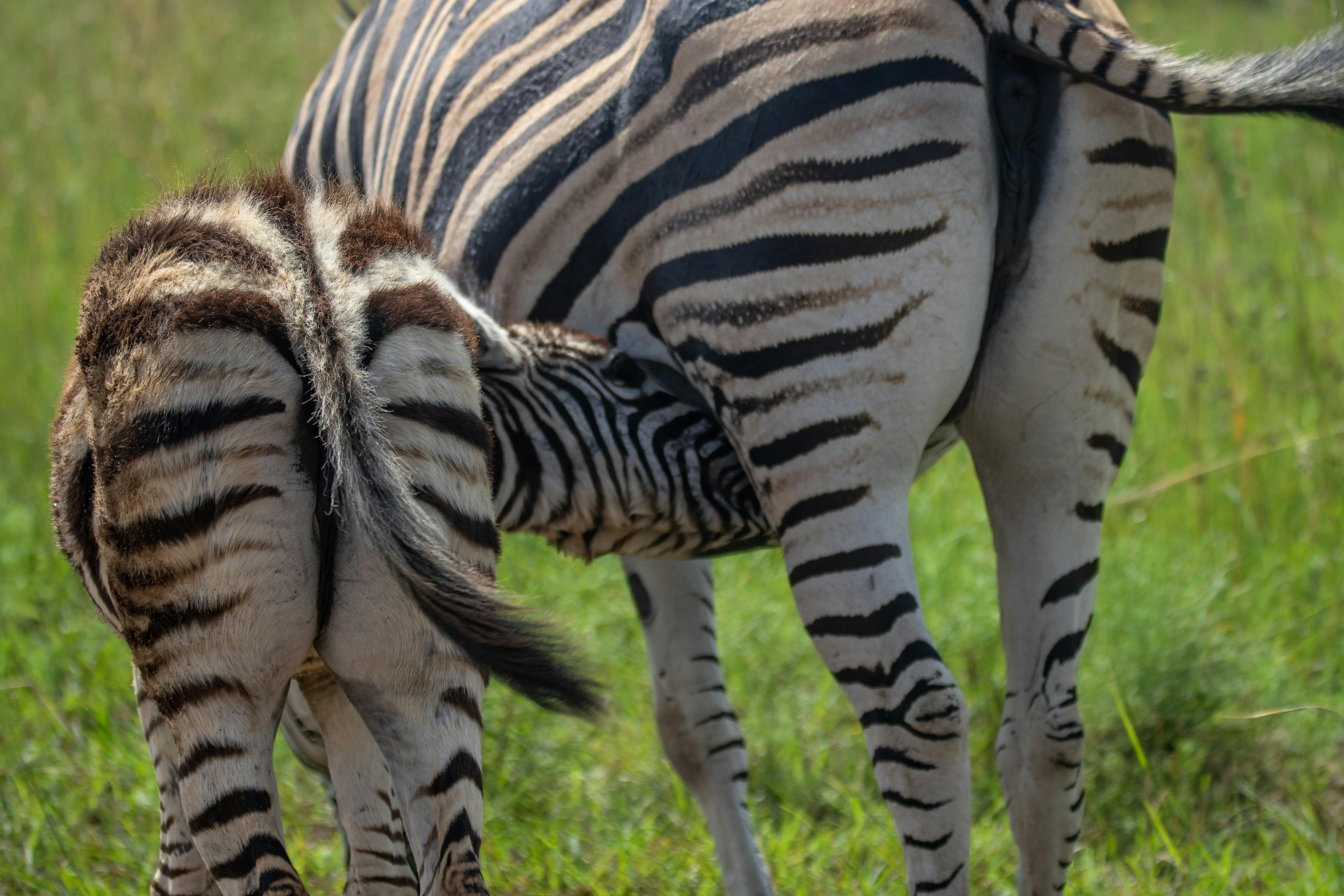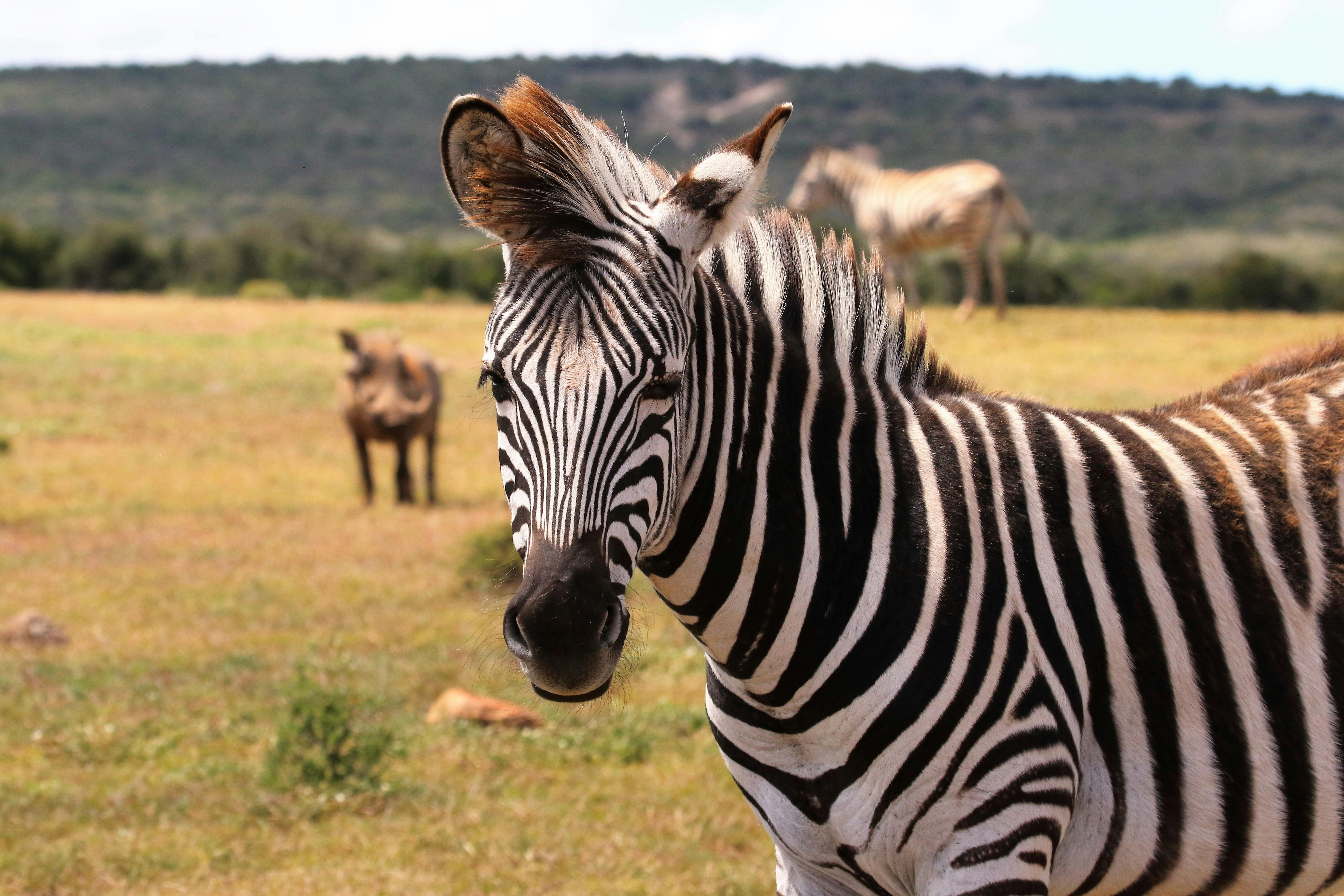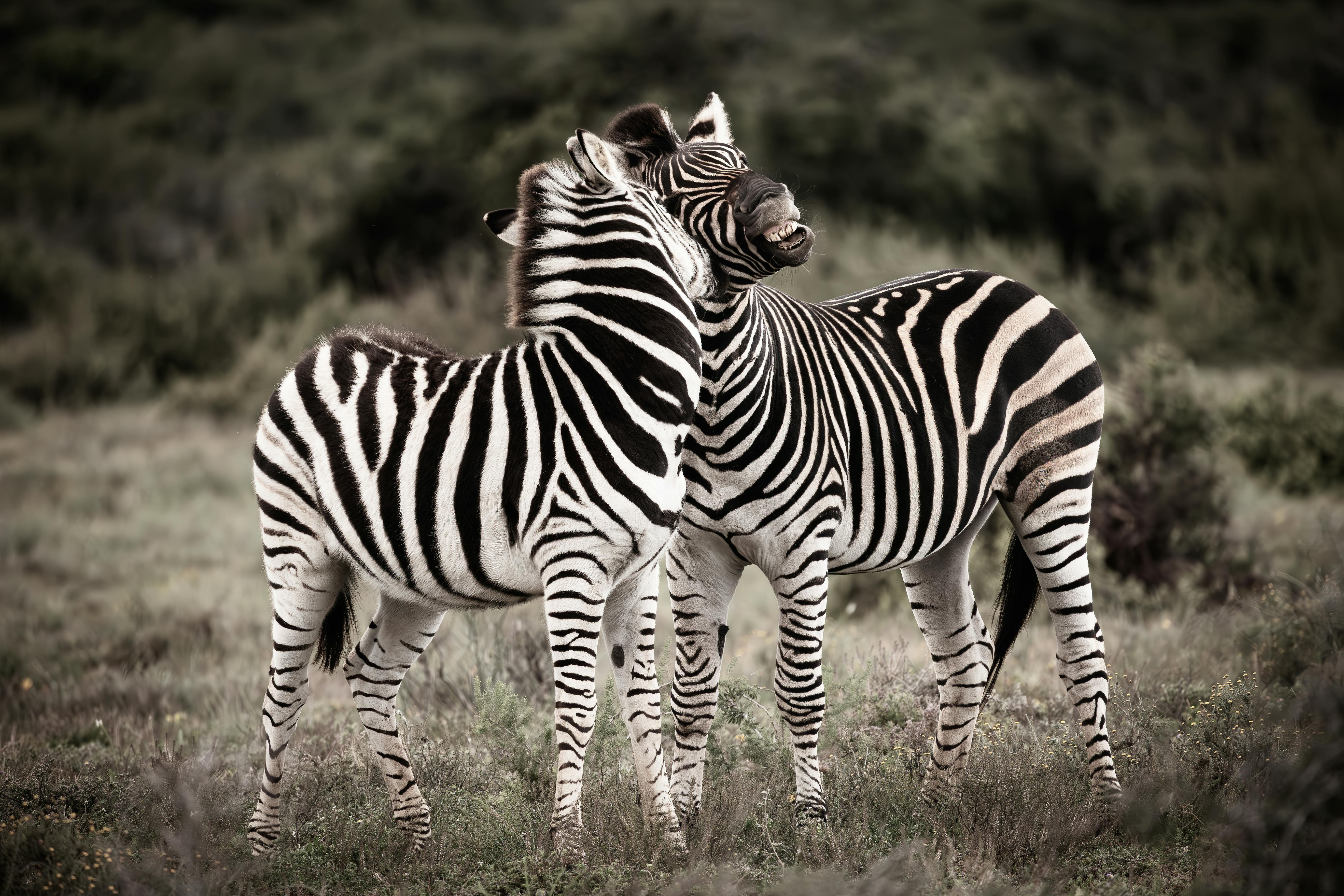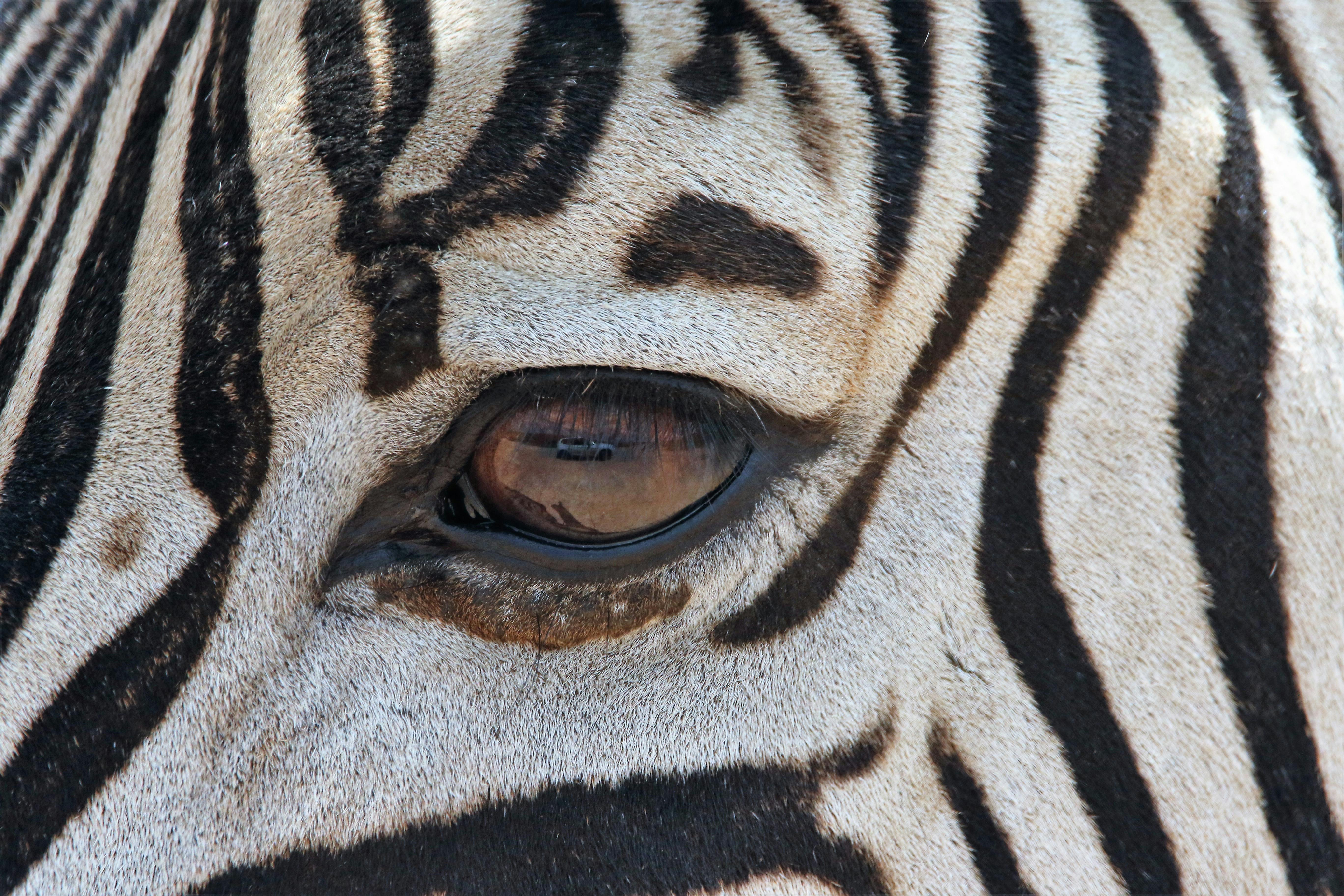
The plains zebra is one of the most recognizable animals of the African savannah, known for its striking black-and-white stripes and strong social bonds. At Naretunoi Conservancy, zebras are a cornerstone species that support the health and balance of open grassland ecosystems.
Their seasonal movements across the conservancy reflect the natural rhythms of rainfall and vegetation growth.
Migration and Grazing Patterns
Plains zebras migrate in herds across wide grassland areas in search of fresh, nutritious grazing. Their grazing behavior:
- Removes old, coarse grass
- Stimulates new plant growth
- Creates feeding opportunities for smaller herbivores
This natural process improves pasture quality for many species, including gazelles and wildebeest.
Habitat at Naretunoi Conservancy
The expansive grass plains of Naretunoi Conservancy offer ideal conditions for zebra herds. These habitats provide:
- Open visibility for predator detection
- Abundant seasonal grasses
- Natural water sources nearby
Zebras often form large mixed herds that enhance safety through collective vigilance.
Ecological Importance
As primary grazers, zebras play a foundational role in the food chain. Their presence supports:
- Predator populations such as lions and hyenas
- Balanced grassland growth
- Increased biodiversity across the savannah
Without zebras, grass ecosystems would quickly become overgrown and less productive.
Conservation Challenges
Plains zebras face increasing pressure from:
- Land fragmentation
- Competition with livestock
- Reduced migration corridors
Protecting open landscapes is essential for their survival.
Naretunoi Conservancy’s Role in Protection
Naretunoi Conservancy focuses on:
• Preserving natural migration routes
• Reducing human-wildlife conflict
• Maintaining healthy grazing areas
• Community-led conservation education
Cultural Connection
Among the Maasai community, zebras are admired for their unity and resilience, often seen as symbols of cooperation and harmony within nature.
Why Zebras Matter
Healthy zebra populations ensure:
✔ Productive grasslands
✔ Strong predator-prey balance
✔ Thriving biodiversity
✔ Sustainable conservation tourism