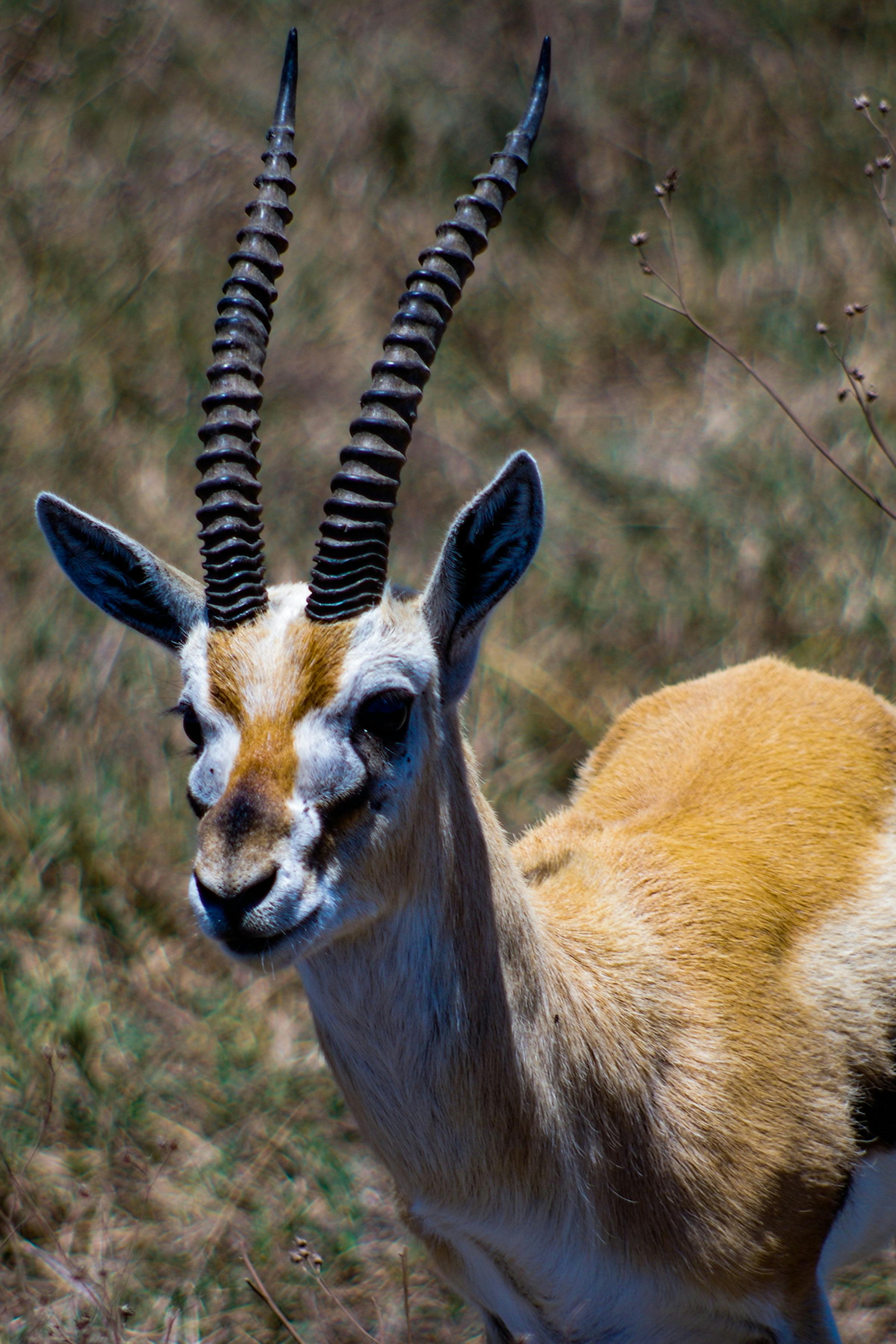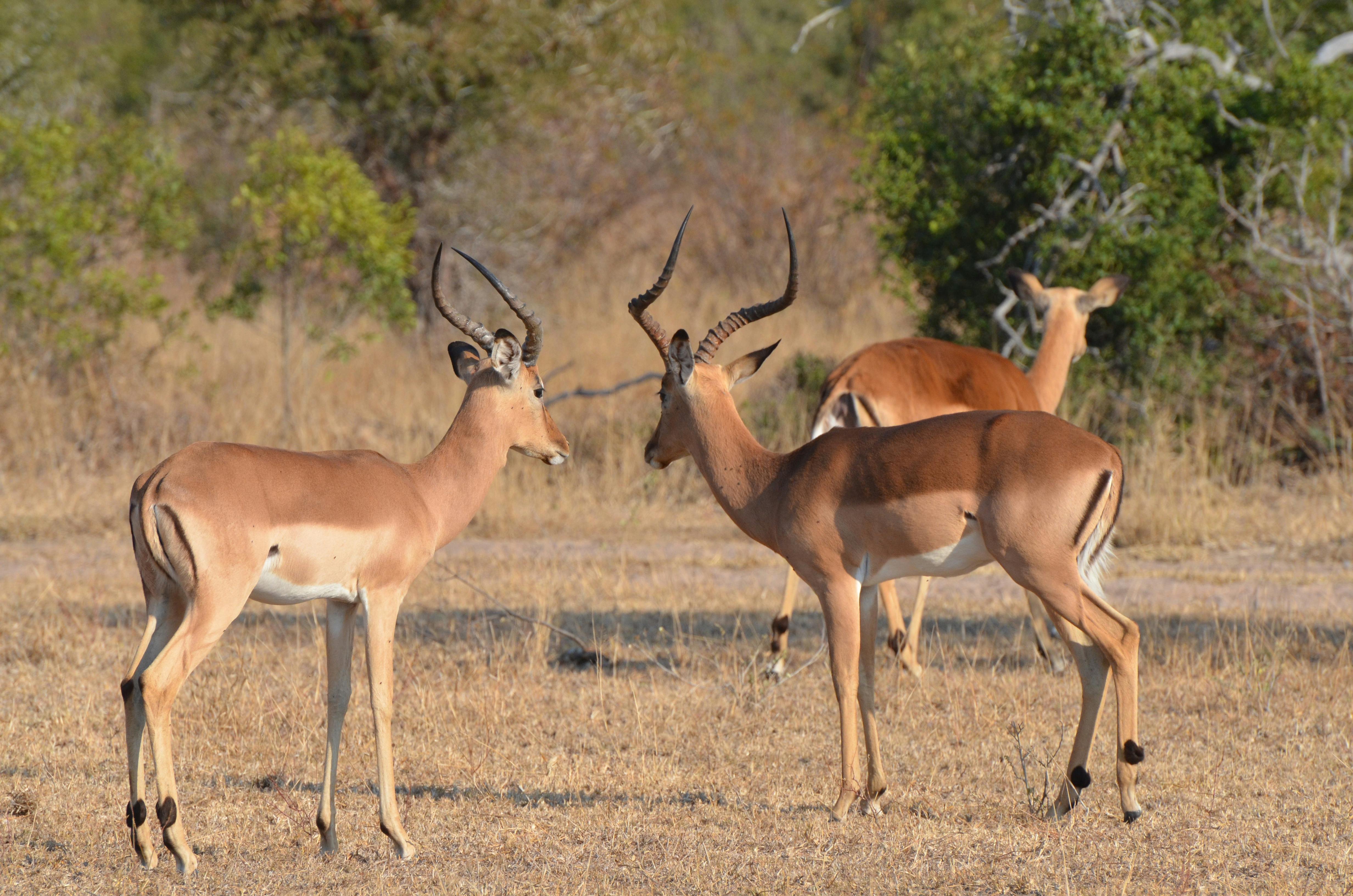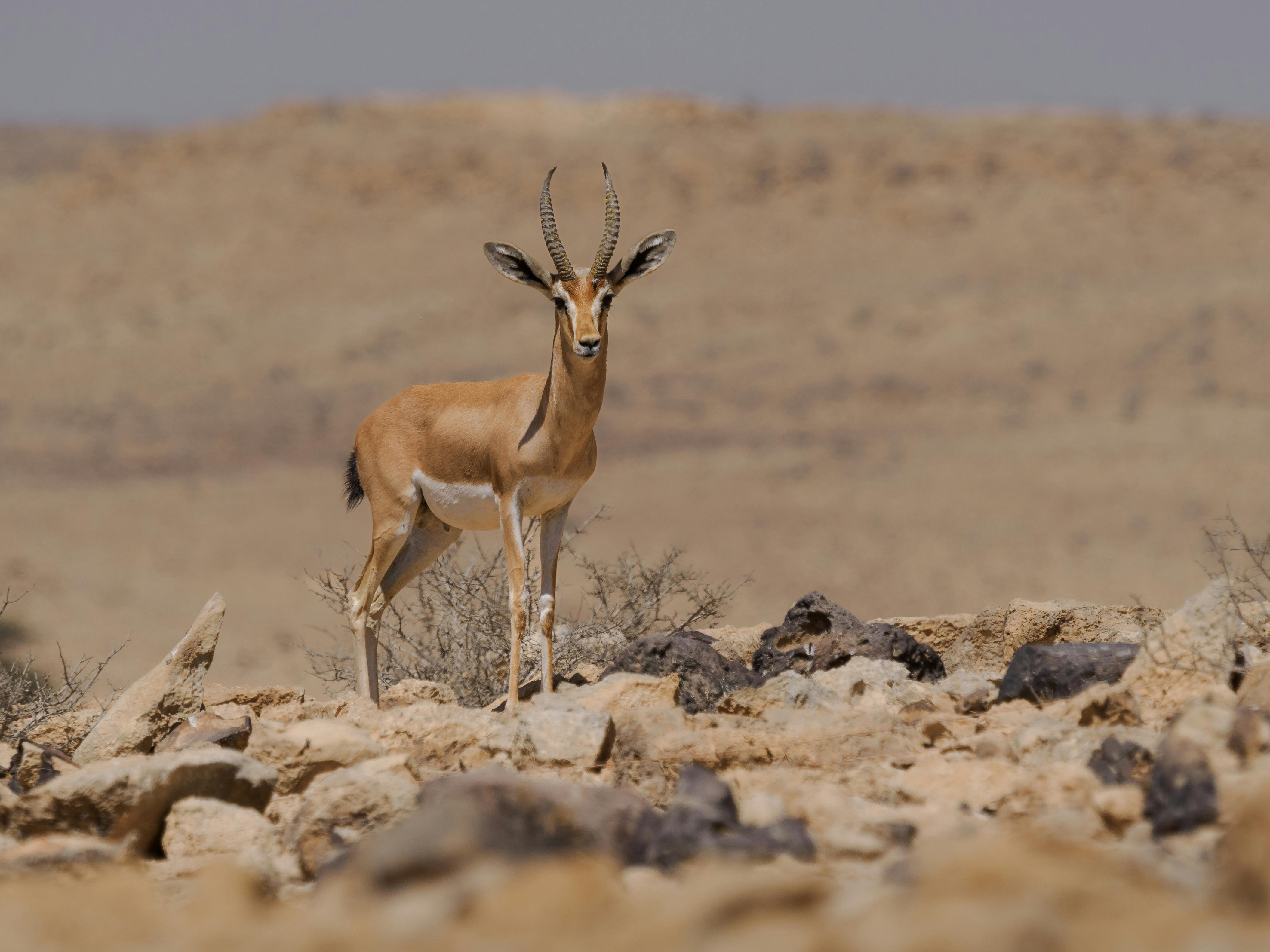
Thomson’s gazelle is one of the most agile and graceful herbivores of the African savannah, well known for its speed and alert nature. At Naretunoi Conservancy, these small antelopes thrive across open grasslands where visibility allows them to detect predators quickly and respond with remarkable bursts of speed.
Their presence is a sign of a healthy, functioning ecosystem.
Grazing Behavior and Diet
Thomson’s gazelles feed primarily on short grasses and tender shoots, selecting the most nutritious plant growth. Their grazing:
- Maintains grass at optimal height
- Encourages new vegetation growth
- Supports soil fertility through natural nutrient cycling
By feeding selectively, gazelles help maintain high-quality grazing areas for other herbivores.
Role in the Food Chain
As a primary prey species, Thomson’s gazelles are essential to the survival of many predators at Naretunoi Conservancy, including lions, cheetahs, leopards, and hyenas. Their populations directly support:
- Predator health and reproduction
- Natural hunting behaviors
- Balanced wildlife population levels
This predator-prey relationship is fundamental to ecological stability.
Habitat at Naretunoi Conservancy
The wide open plains and gently rolling grasslands of Naretunoi provide ideal living conditions for gazelle herds. These areas offer:
- Clear escape routes from predators
- Fresh seasonal grasses
- Access to nearby water sources
Gazelles typically live in groups that enhance protection through shared alertness.
Conservation Considerations
Although currently not endangered, Thomson’s gazelles face threats such as:
- Habitat loss
- Competition with livestock
- Reduced migration spaces
Long-term habitat protection is essential to keep their populations stable.
Naretunoi Conservancy’s Conservation Actions
The conservancy actively supports gazelle populations by:
• Preserving open grassland habitats
• Preventing illegal hunting
• Monitoring wildlife numbers
• Promoting sustainable land use practices
Cultural Connection
Among Maasai communities, gazelles are admired for their speed and elegance, often symbolizing alertness and survival skills in the wild.
Why Thomson’s Gazelles Matter
Healthy gazelle populations ensure:
✔ Strong predator populations
✔ Balanced grass ecosystems
✔ Natural biodiversity
✔ Thriving wildlife tourism