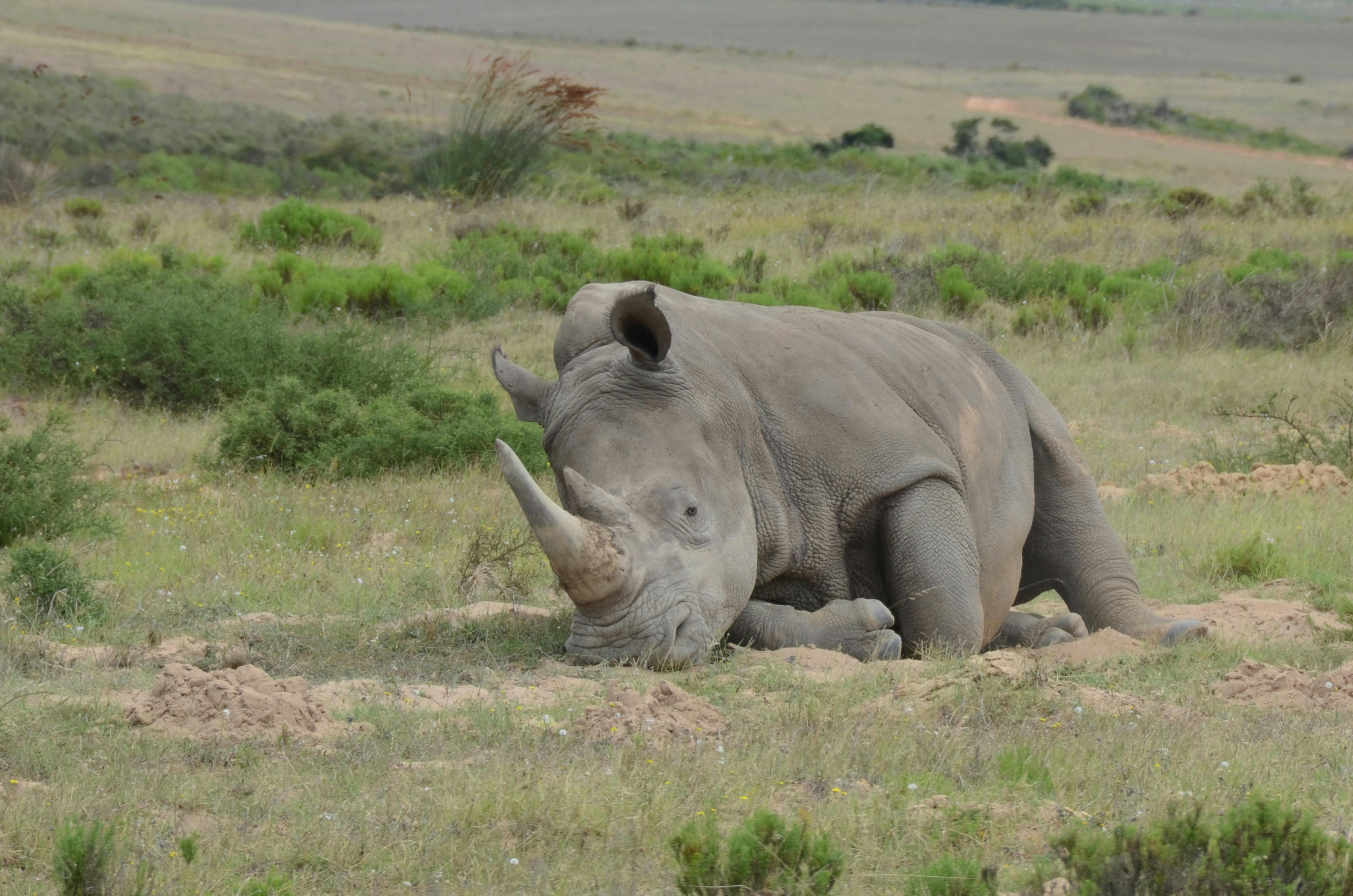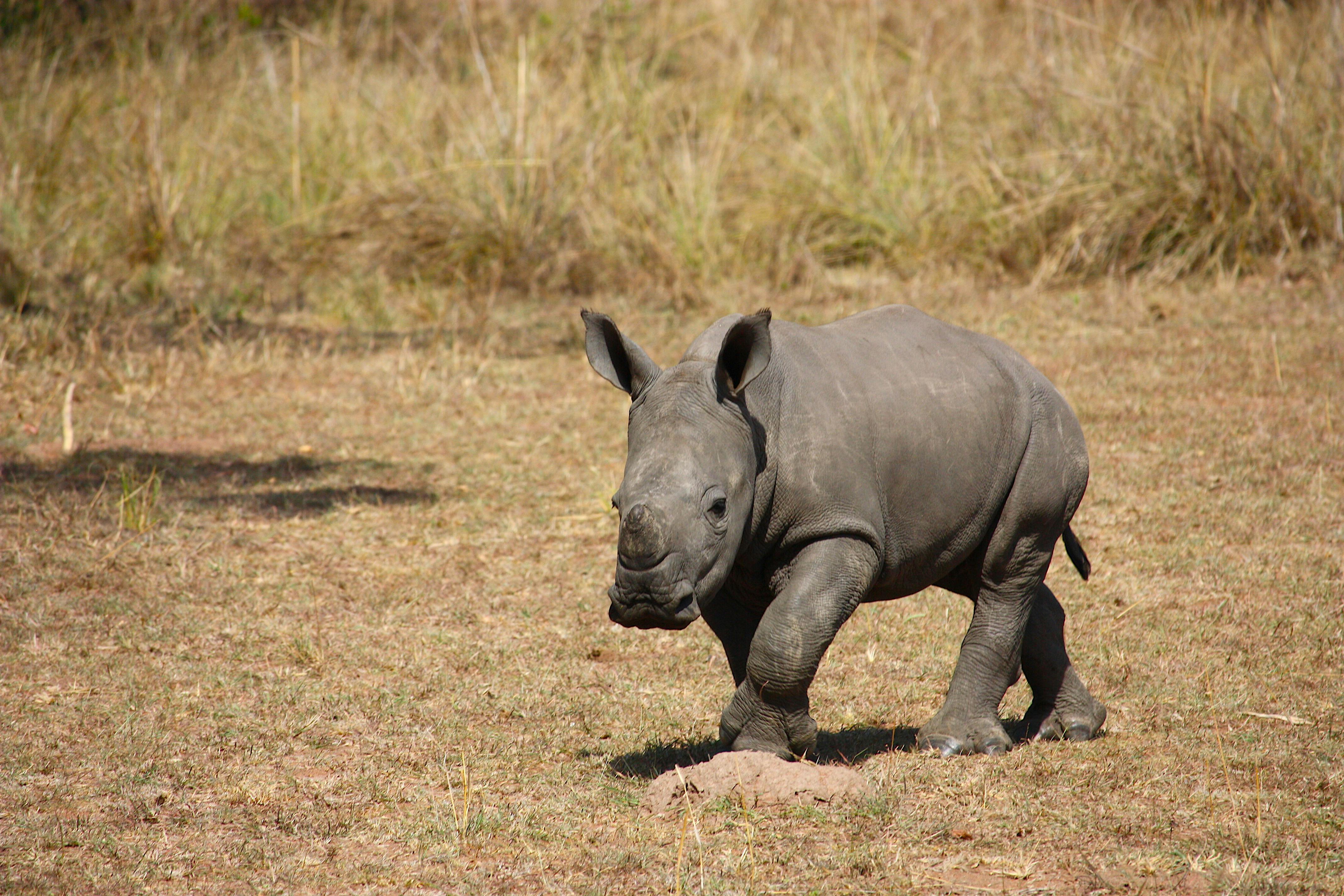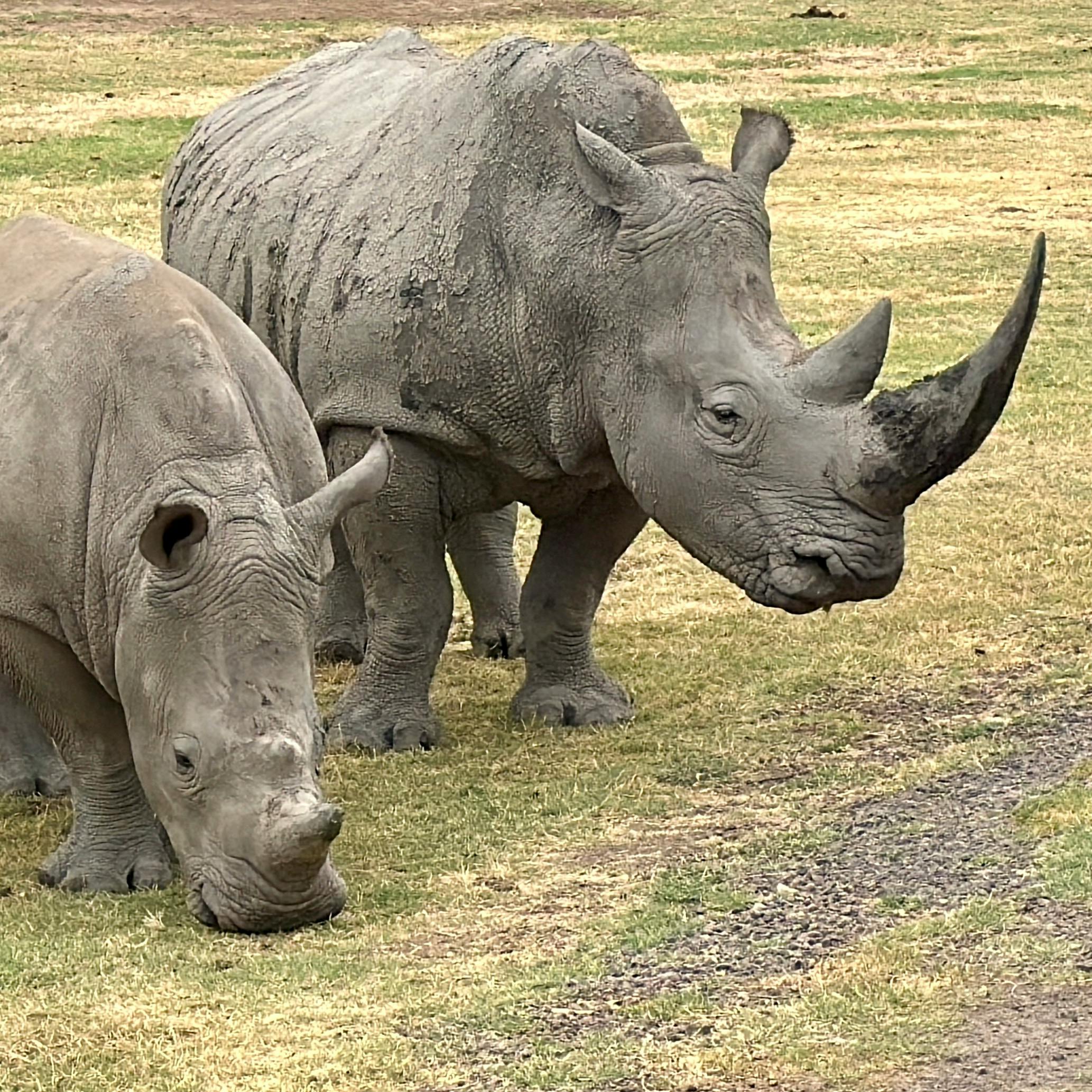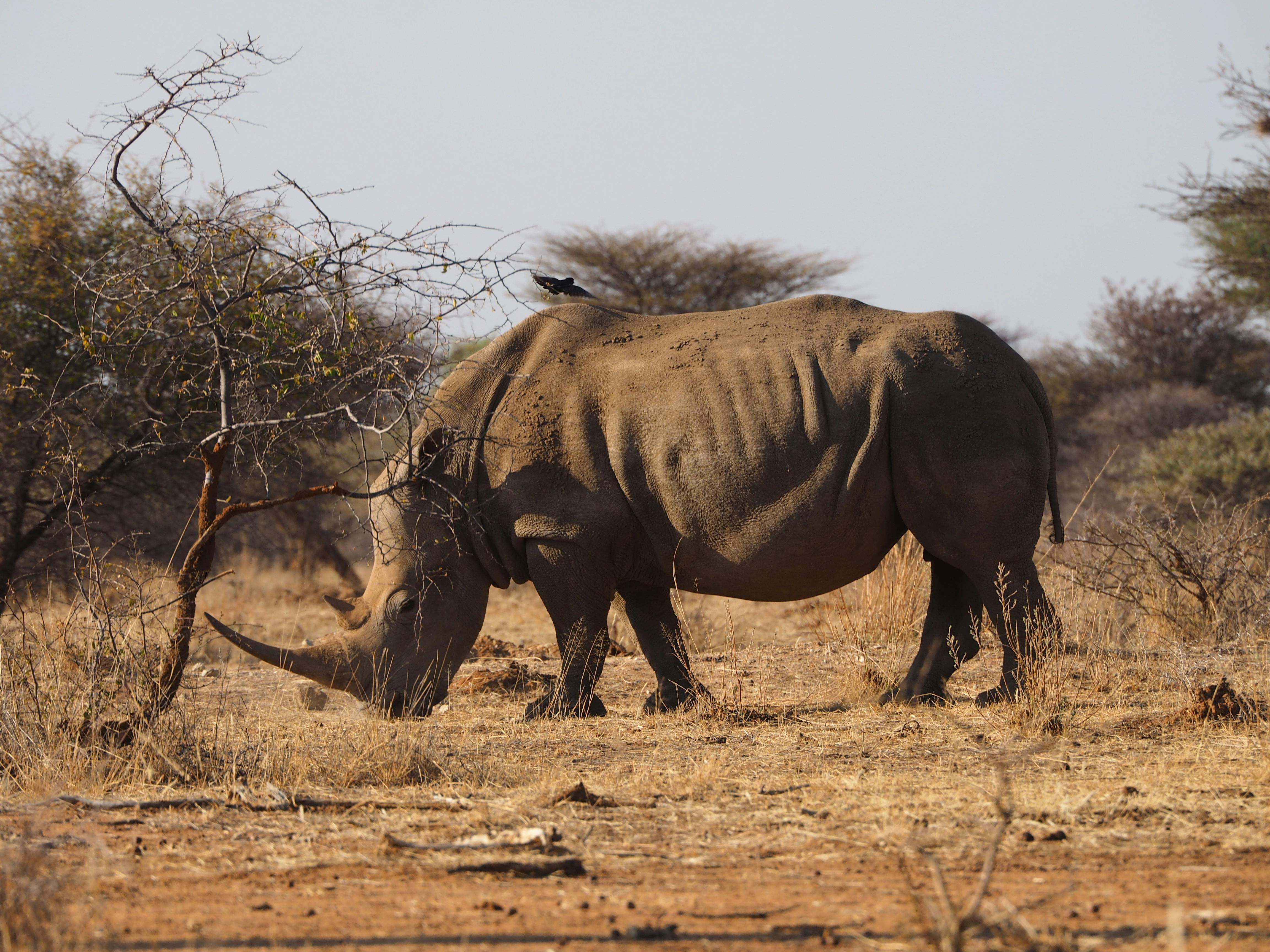
Known as the "Sentinels of the Savanna," Rhinos are a keystone species for our ecosystem. In the regions surrounding Naretunoi, we focus on monitoring and protecting these majestic creatures from poaching and habitat loss. Our wildlife program works with local rangers to ensure that the corridors they use remain safe and that the community understands the immense value of keeping these ancient giants alive.
1. The Two Titans: Black vs. White Rhinos
In Kenya, we are home to two distinct species. While they both look grey, their "characters" and roles in the ecosystem are very different:
- The Black Rhino (The Browser): * Character: Shy, solitary, and famously "grumpy." They are more defensive and likely to charge if startled.
- Physical Trait: They have a hooked upper lip designed for picking leaves and twisted twigs from bushes.
- Role: They act as "natural pruners," keeping the bushland from becoming too thick, which allows grass to grow for other animals.
- The White Rhino (The Grazer): * Character: Much more social and calm. They often hang out in small groups called "crashes."
- Physical Trait: They have a wide, square lip (the name "White" actually comes from the Dutch word 'wijd', meaning wide).
- Role: They are the "lawnmowers" of the savanna, keeping the grass short, which actually helps prevent massive bushfires.
2. Fascinating Rhino Facts (The "Did You Know?" Section)
- Ancient Lineage: Rhinos have been on Earth for over 50 million years. They are living fossils.
- Sonic Communication: They communicate through a series of "oinks," "snorts," and even high-pitched "squeals."
- Poor Vision, Elite Senses: A rhino cannot see a person standing still 30 meters away, but their sense of smell and hearing are incredible. They can "smell" danger from miles away.
- The "Sunscreen": You will often see them covered in mud. This isn't just for fun; the mud acts as a natural sunscreen and a shield against biting insects.
3. Why the "Maasai Name" (E-muny) Matters
In Maasai culture, the Rhino represents strength and stubbornness. By including the name E-muny on your platform, you show that Naretunoi respects indigenous knowledge. This tells your donors that your conservation efforts are led by the people who have lived alongside these giants for centuries.
"Field Update: Our team observed a mother and calf near the southern boundary today. This sighting reinforces why the Lion-Proof Boma project is so important—by keeping livestock secure, we reduce human activity in sensitive rhino grazing areas, giving these animals the peace they need to thrive."